Local Nonprofit Distributes 10,000 Emergency Supply Kits Ahead of Hurricane Season
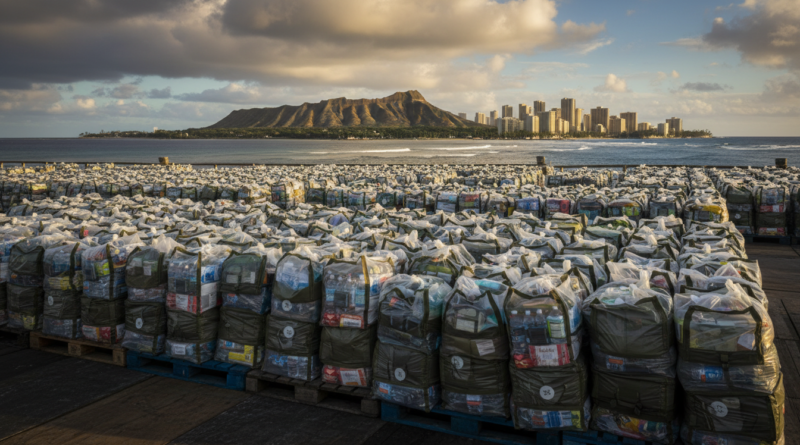
A Honolulu-based nonprofit has distributed 10,000 emergency supply kits across Oahu in preparation for the 2024 hurricane season, marking the largest disaster preparedness initiative in the organization’s history.
Aloha Preparedness Network, founded in 2018 following Hurricane Lane’s near-miss of the islands, completed the massive distribution effort last weekend through partnerships with community centers, schools, and churches from Waianae to Hawaii Kai. Each kit contains essential supplies including water purification tablets, emergency food rations, battery-powered radio, flashlight, first aid supplies, and locally relevant items like blue tarps and duct tape.
“We learned from Lane that even when a hurricane doesn’t make direct landfall, the preparation and potential isolation can be just as challenging for families,” said Maria Santos, executive director of Aloha Preparedness Network. “These kits ensure that every household has at least the basics to weather a storm safely.”
The distribution effort targeted neighborhoods identified as most vulnerable during emergency situations. Priority areas included Waianae Coast communities, where geographic isolation can complicate evacuation and supply delivery, and dense residential areas in Kalihi-Palama where apartment dwellers may lack storage space for emergency supplies.
Community response has been overwhelming. At Saturday’s distribution event at Farrington High School, families began lining up at 6 a.m., two hours before the scheduled start time. Similar scenes played out at Keeaumoku Elementary, Kahuku High School, and eight other locations across the island.
Partnerships Make Large-Scale Distribution Possible
The initiative succeeded through partnerships with major local organizations. Foodland Super Market donated warehouse space and transportation, while Hawaiian Electric Company provided funding for solar-powered emergency radios included in each kit. The Honolulu Fire Department contributed expertise in kit contents and distribution logistics.
Local churches and community centers served as distribution hubs, with volunteers from each organization helping to manage the crowds and ensure orderly distribution. At Blessed Sacrament Catholic Church in Pauoa, parishioners worked alongside Boy Scout troops to carry kits to cars for elderly residents.
“This is exactly what community resilience looks like,” said City Councilmember Tommy Waters, who stopped by the Kalihi-Palama distribution site. “When local organizations work together to prepare for emergencies, we’re all stronger.”
Timing Reflects Growing Hurricane Concerns
The Central Pacific hurricane season officially runs from June 1 through November 30, with peak activity typically occurring between July and September. Recent years have brought increased concern about hurricane threats to Hawaii, with climate change potentially affecting storm patterns and intensity.
Hurricane Lane in 2018 brought devastating floods to the Big Island and prompted widespread evacuation preparations across all islands, even though it ultimately weakened before making landfall. The experience revealed gaps in household preparedness that organizations like Aloha Preparedness Network have worked to address.
Each emergency kit includes instructions in multiple languages — English, Hawaiian, Tagalog, and Spanish — reflecting Oahu’s diverse communities. The kits also contain information specific to island living, such as guidance on securing outdoor furniture and preparing for potential power outages that could last several days.
Building Long-Term Preparedness Culture
Beyond immediate hurricane season preparation, the distribution represents part of a broader effort to build preparedness awareness across Oahu communities. Aloha Preparedness Network has partnered with Hawaii Emergency Management Agency to provide educational workshops alongside kit distribution.
The workshops cover topics particularly relevant to island residents, including how to prepare pets for evacuation, securing important documents against flood damage, and maintaining emergency supplies in Hawaii’s humid climate.
Funding for the $150,000 initiative came from a combination of federal emergency preparedness grants, local corporate sponsors, and individual donations. The organization reports that demand far exceeded the 10,000 kits available, with more than 15,000 families requesting supplies.
Santos said the organization is already planning for next year’s distribution, with hopes of reaching 15,000 households. “Every family that’s prepared makes our entire community more resilient,” she said. “That’s especially important here in Hawaii, where we’re isolated in the middle of the Pacific and need to be ready to take care of ourselves and our neighbors.”
For residents who missed this distribution, Aloha Preparedness Network maintains a list of essential emergency supplies on their website and offers year-round workshops on disaster preparedness. The next community workshop is scheduled for July 15 at the Neal Blaisdell Center.