
Chick-fil-A Opens Its Largest Hawaii Location Yet on Kapiolani Boulevard
The golden arches aren’t the only fast-food giant staking claim to Honolulu’s prime real estate. Chick-fil-A opened its largest Hawaii location yet at 1837 Kapiolani Boulevard on April 2, marking another milestone in the national chain’s aggressive expansion across the islands.
The new restaurant spans 5,000 square feet and features the company’s latest design elements, including a dual-lane drive-thru and expanded dining area. Located in the bustling Kapiolani corridor between Waikiki and downtown Honolulu, the location represents a strategic move into one of the city’s most competitive dining markets.
“We’re thrilled to serve the Kapiolani community with our signature chicken sandwiches and exceptional customer service,” said restaurant operator David Kim in a statement. “This location allows us to better serve both residents and the thousands of visitors who travel this corridor daily.”
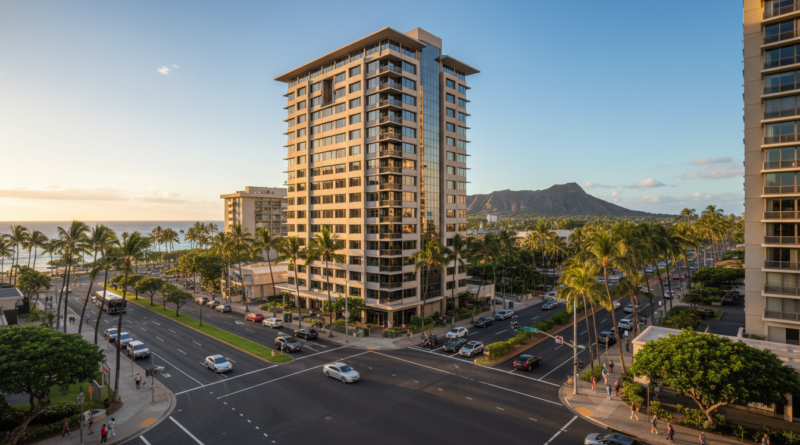
The opening comes as mainland fast-food chains increasingly eye Hawaii’s limited commercial real estate, driving up rents and intensifying competition for local establishments. The Kapiolani Boulevard stretch, which connects Waikiki to Keeaumoku Street, has become particularly attractive to national brands seeking high-visibility locations near the tourism corridor.
Premium Real Estate Competition Heats Up
Commercial real estate experts say the Chick-fil-A location, situated near the intersection with Keeaumoku Street, likely commands premium rents in a market where suitable restaurant spaces are increasingly scarce. The area sees heavy foot traffic from nearby hotels, shopping centers, and residential complexes.
The chain’s expansion reflects broader trends in Honolulu’s dining landscape. Over the past five years, national franchises including Raising Cane’s, Dave’s Hot Chicken, and Shake Shack have secured prime Oahu locations, often displacing local businesses or driving up lease costs for existing tenants.
“When deep-pocketed mainland chains come in, they can afford to pay rents that local mom-and-pop restaurants simply can’t match,” said Lisa Chang, president of the Hawaii Restaurant Association. “It’s creating real pressure on our local dining scene, especially in high-traffic areas like Kapiolani Boulevard.”
The impact extends beyond individual restaurants. Local food entrepreneurs report increased difficulty securing affordable commercial spaces, with landlords often favoring established franchises with strong credit backing over independent operators.
Local Business Adaptation
Some longtime Kapiolani Boulevard establishments are adapting by emphasizing their local roots and unique offerings. Rainbow Drive-In, the iconic local chain with a location just blocks away, has doubled down on its local-style plate lunches and nostalgic atmosphere that mainland chains can’t replicate.
Similarly, family-owned restaurants like Ethel’s Grill and local favorites along the corridor are leveraging their community connections and authentic local flavors to maintain their customer base amid increased competition.
The new Chick-fil-A also brings employment opportunities, with the company hiring approximately 80 local workers for the location. The restaurant offers starting wages above Hawaii’s minimum wage, along with benefits including scholarship opportunities for employees.
However, economic analysts note that while chain restaurants provide jobs, they also redirect dining dollars away from locally-owned establishments, potentially impacting the broader local economy’s multiplier effect.
Tourism Corridor Strategy
The Kapiolani location represents Chick-fil-A’s fourth Hawaii restaurant, joining existing locations in Kahului, Kapolei, and Mililani. The chain’s Hawaii expansion began in 2022, with each new location growing progressively larger and more elaborate.
Industry observers say the Kapiolani site’s proximity to Waikiki hotels and the Hawaii Convention Center makes it particularly valuable for capturing tourist traffic. The location’s dual-lane drive-thru is specifically designed to handle high-volume periods when tour buses and hotel shuttles frequent the area.
For Honolulu residents, the continued influx of mainland chains along major corridors like Kapiolani Boulevard represents both convenience and concern. While some welcome additional dining options and competitive pricing, others worry about the long-term impact on Hawaii’s distinctive local food culture.
The Chick-fil-A opening is part of a broader commercial development trend along the Kapiolani corridor, with several other national retailers and restaurants reportedly eyeing available spaces in the area. As these chains establish footholds in Hawaii’s limited commercial real estate market, the competition for both prime locations and customer loyalty will likely intensify, reshaping Honolulu’s dining landscape in ways that extend far beyond chicken sandwiches.