
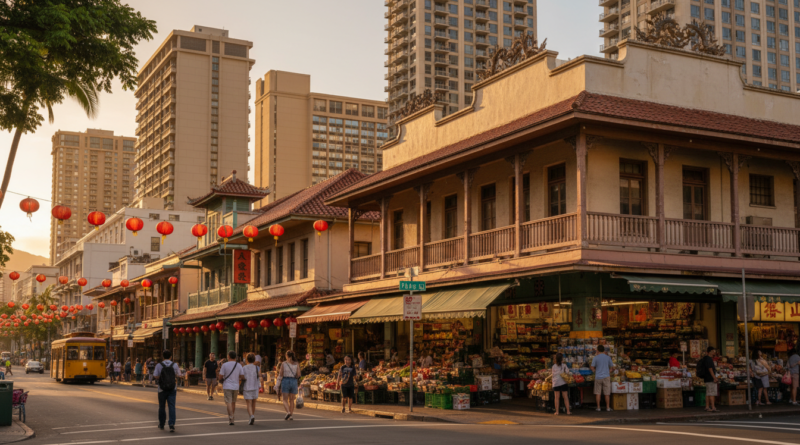
City Pays $4.5M for Chinatown Corner Lot to Expand Affordable Housing Pipeline
The City and County of Honolulu quietly closed on a corner lot in Chinatown for $4.52 million, marking the latest move in Mayor Rick Blangiardi’s push to expand affordable housing options in urban core neighborhoods.
The 8,231-square-foot property at 175 N. Pauahi Street sits at the intersection of Pauahi and River streets, placing it at the edge of Chinatown’s bustling commercial district. The April 1 purchase represents about $549 per square foot — a significant investment in an area the city views as critical to addressing Oahu’s housing shortage.
The lot currently sits vacant, bordered by a mix of older commercial buildings and newer residential developments that have sprouted throughout Chinatown in recent years. Its location offers easy access to downtown employment centers while maintaining the neighborhood’s cultural character.
“This acquisition represents our commitment to creating affordable housing where people can actually live, work, and thrive without being car-dependent,” said Councilmember Radiant Cordero, who represents the district. “Chinatown has the infrastructure and transit connections that make dense, affordable development successful.”
The purchase comes as the Blangiardi administration faces mounting pressure to deliver on campaign promises to increase housing production across Oahu. The mayor has repeatedly emphasized the need to build more units in urban areas served by public transit, rather than expanding development into rural communities.
Strategic Location for Transit-Oriented Development
The Pauahi Street site offers several advantages for affordable housing development. It sits within walking distance of multiple TheBus routes and is less than half a mile from the Kalihi-Palama Transit Center, a major hub in the city’s public transportation network.
The location also places future residents within easy reach of Chinatown’s grocery stores, restaurants, and services — amenities that have become increasingly important as housing costs push working families further from urban job centers.
City planning documents suggest the lot could accommodate a mid-rise residential building, though specific development plans have not been finalized. Current zoning allows for buildings up to 40 feet in height, though the city could seek variances for taller construction if demand justifies additional density.
The purchase fits into broader revitalization efforts that have transformed parts of Chinatown over the past decade. The neighborhood has seen new residential towers, renovated historic buildings, and improved streetscapes — though longtime residents and business owners have raised concerns about gentrification and displacement.
Part of Larger Housing Strategy
The Pauahi Street acquisition represents one piece of the city’s multi-pronged approach to affordable housing development. The Blangiardi administration has allocated federal American Rescue Plan Act funds toward housing initiatives and worked to streamline permitting processes for affordable projects.
Recent city data shows Honolulu needs approximately 50,000 additional housing units by 2030 to meet demand from population growth and address existing shortages. The majority of that need falls in the affordable and workforce housing categories.
Other recent city housing investments include land purchases in Kalihi and Kakaako, suggesting a strategy focused on developing multiple smaller sites rather than pursuing large-scale projects in suburban areas.
The Chinatown purchase also aligns with state and county climate goals that emphasize reducing vehicle dependence by concentrating housing near employment centers and transit infrastructure.
Community Input and Next Steps
City officials have not announced a timeline for development of the Pauahi Street site, but housing advocates expect initial community meetings to begin within the next few months. The city typically requires extensive neighborhood input before moving forward with affordable housing projects, particularly in areas like Chinatown with active community organizations.
The Chinatown Business and Community Association and other local groups will likely play key roles in shaping development plans. Past projects in the area have succeeded when they incorporated community feedback on design, parking, and ground-floor commercial space.
For Honolulu residents struggling with housing costs, the Pauahi Street project represents hope for more affordable options in a neighborhood that offers urban amenities without urban prices. Whether the city can deliver on that promise will depend on navigating complex zoning requirements, community concerns, and construction costs that continue to rise across Oahu.
The success or failure of this and similar projects will likely influence how aggressively the city pursues additional land acquisitions as it works toward ambitious housing production goals in the coming years.
