Skyline’s Downtown Extension Breaks Ground: First Above-Ground Columns Rising Along Dillingham Corridor
The concrete columns that will define downtown Honolulu’s skyline for generations to come are finally rising from the ground, marking a pivotal moment in the city’s largest infrastructure project in decades.
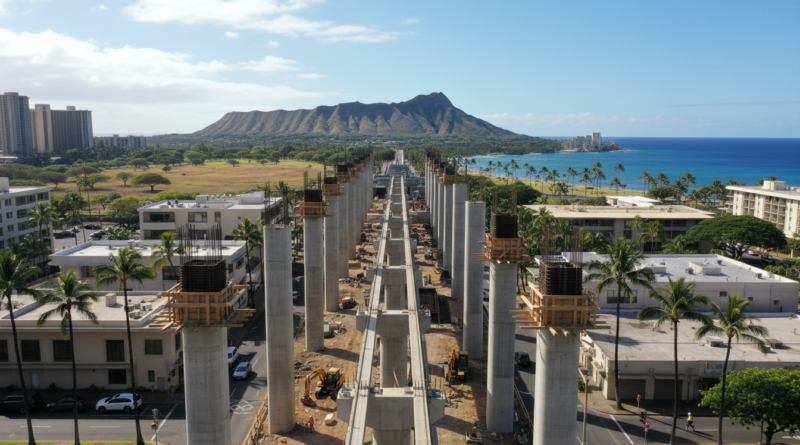
Construction crews broke ground on Skyline’s third segment earlier this year, and the first above-ground support columns are expected to emerge along Dillingham Boulevard before the end of March. The $1.4 billion extension will add six new stations stretching from Kalihi to the Civic Center, fundamentally reshaping how residents navigate the urban core.
“This is when the project becomes real for people,” said Lisa Nakamura, a transportation planner with the Honolulu Authority for Rapid Transportation. “Once those columns start going up, commuters driving along Dillingham will see their future transportation option taking shape above them.”
The new segment represents the most complex phase of Skyline construction to date. Unlike the largely suburban West Oahu portion that opened in 2023, this downtown extension threads through densely populated neighborhoods where every construction decision carries significant consequences for local businesses and residents.
Six Stations, Six Neighborhoods Transformed
The planned stations will serve some of Honolulu’s most culturally and economically vital areas. Starting from the west, the Kalihi station will connect working-class families to job centers across the island, while the Kapalama station positions itself near the harbor’s industrial activities.
Perhaps most significantly, the Chinatown station promises to revitalize one of Hawaii’s most historic neighborhoods. Located near the intersection of Hotel and Smith streets, it will place centuries-old markets and family-owned restaurants just minutes from Pearl Harbor and the airport via rail connection.
The downtown and Civic Center stations will serve as the system’s crown jewels, depositing commuters directly into Honolulu’s business district and government center. For the thousands of workers who currently endure daily traffic crawls from West Oahu, these stations represent a potential game-changer.
The final stop at Ala Moana Center will connect rail users to the state’s largest shopping destination and major bus transit hub, creating the integrated transportation network planners have envisioned for decades.
Construction Challenges in Urban Core
Building elevated rail through downtown Honolulu presents unique engineering and logistical challenges that didn’t exist in the system’s initial phases. Crews must navigate narrow streets, preserve access to businesses, and work around existing infrastructure including water mains and electrical systems dating back generations.
The Dillingham Boulevard corridor, in particular, requires careful coordination. The busy thoroughfare serves as a crucial link between the harbor and inland neighborhoods, carrying everything from shipping containers to school buses throughout the day.
Construction impacts will intensify over the next two years as crews install guideway segments between the columns. Traffic restrictions and temporary business access changes are inevitable, though HART officials emphasize their commitment to maintaining community access during construction.
Economic Ripple Effects Already Visible
Real estate activity along the planned route has already begun reflecting the anticipated transportation improvements. Property values near proposed stations have shown consistent growth, and several developers have announced mixed-use projects designed to capitalize on rail access.
The Kakaako area, positioned between the Ala Moana and Civic Center stations, continues attracting high-rise residential development partly due to future rail connectivity. These projects promise to increase housing density while potentially reducing car dependency for new residents.
Local businesses report mixed reactions to the construction phase. While some express concern about temporary access disruptions, others see opportunity in the increased foot traffic that rail stations typically generate.
Timeline and Next Steps
Current projections target late 2030 for the downtown extension’s completion, though HART officials acknowledge that urban construction often presents unexpected complications. The authority continues working through federal approval processes while managing ongoing construction contracts.
The visible progress on Segment 3 comes as the existing West Oahu portion continues building ridership. Recent data shows steady increases in daily passengers, suggesting growing acceptance of rail as a viable transportation alternative.
For Honolulu residents, the rising columns represent more than infrastructure—they symbolize a fundamental shift toward the connected, less car-dependent city that urban planners have long advocated. Whether stuck in Keeaumoku Street traffic or searching for downtown parking, locals can now envision a different future taking shape one concrete column at a time.
The success of this urban phase will ultimately determine Skyline’s role in Honolulu’s transportation future and its impact on how residents live, work, and move through their city.