
From Mother to Daughter: Lei Queen Puamana Louise Garcia Carries On a 12-Year Family Legacy at the 98th May Day
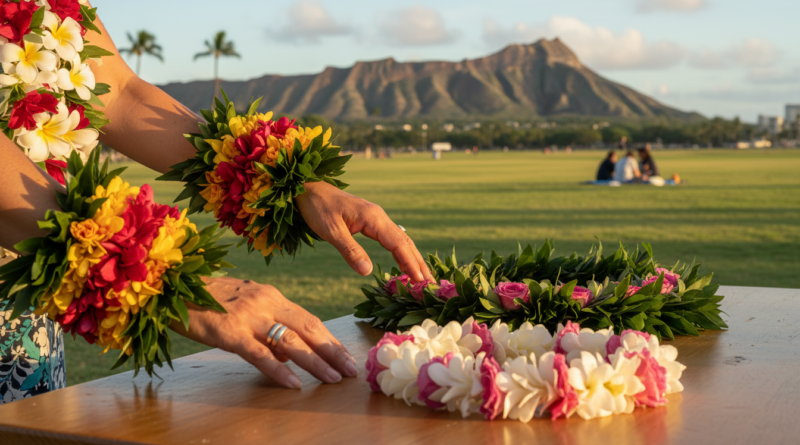
The scent of maile and plumeria filled the air at Kapiolani Park Friday as Puamana Louise Garcia accepted the coveted Lei Queen crown at the 98th annual May Day celebration, carrying forward a family tradition that began 12 years ago when her mother wore the same title.
Garcia’s victory represents more than personal achievement — it highlights the deep cultural connections that bind Honolulu’s lei-making community together as the festival approaches its centennial milestone in 2026.
“When my mom won in 2014, I was just a teenager watching from the crowd,” Garcia said after her coronation ceremony. “To stand where she stood and represent our culture and our craft feels like completing a circle that started long before I was born.”
The younger Garcia’s winning lei showcased traditional techniques passed down through generations, incorporating native Hawaiian plants gathered from Oahu’s windward valleys. Her intricate design featured mokihana berries from Kauai intertwined with locally sourced maile, creating a piece that judges described as both technically masterful and culturally authentic.
Community Celebrates Artistry
This year’s competition drew more than 200 participants from across the islands, with entries ranging from traditional Polynesian styles to contemporary interpretations that reflect Hawaii’s multicultural heritage. The event, held in the shadow of Diamond Head, transformed the park into a vibrant marketplace of colors, textures, and fragrances.
Uncle Moki Labra, a longtime fixture in Honolulu’s lei-making scene, took home the grand prize for his innovative design combining traditional Hawaiian flowers with modern preservation techniques. Labra’s winning piece demonstrated how ancient practices can evolve while maintaining their cultural significance.
“Each lei tells a story,” Labra explained while surrounded by admirers of his award-winning creation. “Mine speaks to our ability as Hawaiian people to honor the past while embracing new ways of sharing our culture with the world.”
The Garcia family’s dual success spans different eras of Hawaii’s lei-making renaissance. When Garcia’s mother claimed the crown in 2014, social media was just beginning to showcase Hawaiian cultural practices to global audiences. Today, platforms like Instagram and TikTok have introduced lei-making to new generations while creating markets for local artisans.
Cultural Preservation Meets Modern Innovation
Friday’s celebration highlighted how traditional Hawaiian practices continue to thrive in contemporary Honolulu. Participants included kupuna sharing decades of knowledge alongside keiki learning basic weaving techniques, creating an intergenerational exchange that ensures cultural continuity.
The event’s location at Kapiolani Park holds special significance for Native Hawaiian traditions. Named after Queen Kapiolani, the 300-acre space has hosted cultural celebrations since the early 1900s, serving as a gathering place where island residents maintain connections to their heritage.
Beyond the competition, Friday’s festivities included hula performances, traditional music, and educational demonstrations that drew thousands of visitors to Waikiki. Local vendors sold handmade crafts while food trucks offered plate lunches and shave ice, creating an authentic community atmosphere.
As organizers begin planning for the festival’s 100th anniversary, Garcia’s victory symbolizes the enduring appeal of lei-making as both art form and cultural practice. Her family’s story reflects broader patterns within Hawaii’s Native community, where knowledge transfers through bloodlines and chosen families alike.
Looking Toward the Centennial
The approaching centennial has sparked discussions about expanding May Day celebrations while maintaining their grassroots character. Organizers are exploring partnerships with local schools and cultural organizations to ensure younger generations understand lei-making’s historical significance.
For Garcia, wearing the Lei Queen crown means representing more than personal achievement. Her platform focuses on supporting local flower farmers and educating visitors about sustainable harvesting practices that protect Hawaii’s native ecosystems.
The weekend’s success demonstrates how traditional Hawaiian practices continue attracting new practitioners while honoring ancestral knowledge. As Honolulu evolves, celebrations like May Day provide anchors connecting residents to cultural foundations that predate statehood by centuries.
Next year’s 99th celebration promises to build momentum toward the centennial while showcasing the lei-making community’s creativity and commitment to cultural preservation. For families like the Garcias, these annual gatherings represent opportunities to strengthen bonds between generations while sharing Hawaiian traditions with the world.