North Shore Businesses Bet on Recovery Grants and Microloans After $325M Storm Hit
Small business owners along Oahu’s North Shore are pinning their hopes on a new wave of city recovery funding after devastating storms earlier this year wiped out hundreds of thousands in revenue and left some shops struggling to keep their doors open.
The city is rolling out $4 million in business disaster grants and launching a complementary microloan program specifically targeting storm-affected businesses in Haleiwa and surrounding North Shore communities. A virtual information session is scheduled for May 12 to help business owners navigate the application process.
The financial lifeline comes as many North Shore establishments continue to reel from the March storms that caused an estimated $325 million in statewide tourism losses. Some Haleiwa shops have reported revenue drops between 70 and 100 percent since the storms damaged infrastructure and scared away visitors.
Assessing the Damage
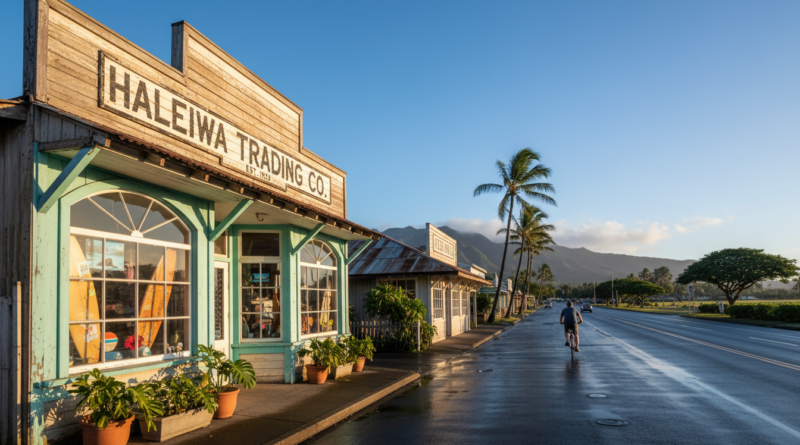
The storms hit the North Shore’s tourism-dependent economy at a particularly vulnerable time. Haleiwa’s historic main strip, typically bustling with visitors heading to or from iconic surf breaks like Pipeline and Sunset Beach, became eerily quiet as flood damage and road closures kept tourists away.
Local surf shops, art galleries, and restaurants that depend heavily on visitor spending found themselves suddenly without their primary customer base. The ripple effects extended beyond retail, impacting tour operators, equipment rental companies, and food trucks that serve the area’s beaches.
“We’ve seen businesses that were thriving just months ago now wondering if they can make it through the summer,” said Maria Santos, executive director of the North Shore Business Association. “These grants and loans represent a critical bridge to help our local entrepreneurs survive until tourism fully rebounds.”
The disaster grants will provide direct financial assistance to qualifying businesses, while the microloan program offers longer-term capital for recovery and rebuilding efforts. Both programs prioritize locally-owned businesses that can demonstrate storm-related impacts on their operations.
Staying Afloat
Despite the challenges, several North Shore businesses have managed to stay operational by adapting their models and relying more heavily on local customers. Some surf shops have pivoted to online sales and delivery services, while restaurants have expanded their local marketing efforts to draw residents from across the island.
The Haleiwa Art Gallery, which features work by local artists, has organized community art shows to maintain foot traffic during the recovery period. Similarly, several food establishments have partnered with local farms and suppliers to create “support local” campaigns that resonate with Hawaii residents.
However, adaptation has its limits. Many businesses still face significant overhead costs for rent, utilities, and employee wages while operating at drastically reduced capacity. The city’s funding programs aim to address these immediate financial pressures while businesses work to rebuild their customer base.
Looking Forward
City officials expect the grant application process to begin within weeks of the May 12 information session. Priority will be given to businesses that can demonstrate immediate need and provide clear plans for using the funding to maintain operations or accelerate recovery efforts.
The microloan component of the program will offer more flexible terms than traditional bank loans, with reduced collateral requirements and extended repayment periods. This structure acknowledges that many small businesses may need months or even years to fully recover their pre-storm revenue levels.
Business owners interested in either program can register for the virtual information session through the city’s economic development website. The session will cover eligibility requirements, application procedures, and timelines for funding distribution.
For North Shore residents and the broader Oahu community, the success of these recovery programs extends beyond individual businesses. The North Shore’s unique character and cultural identity are deeply intertwined with its local business community, from family-owned shrimp trucks to boutique surf shops that have served visitors and locals for generations.
As summer approaches and tourism typically peaks, the next few months will be crucial for determining which businesses can weather this crisis and continue contributing to the North Shore’s distinctive appeal. The city’s recovery funding represents not just economic assistance, but an investment in preserving the cultural and commercial landscape that makes this corner of Oahu special.