Hawaii Beaches Named Among Nation’s Worst for Bacteria — Oahu’s Ala Wai Runoff a Key Culprit
Three Hawaii beach areas have landed among the nation’s worst for bacterial contamination in a new national water quality report, with Oahu’s aging infrastructure and urban runoff taking center stage as primary culprits threatening public health.
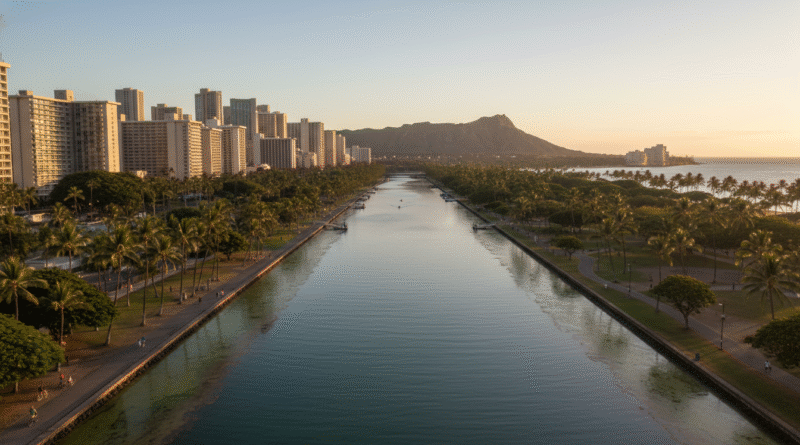
The Surfrider Foundation’s annual “State of the Beach” report ranks Hawaii locations in the top-10 nationally for chronic bacterial pollution, with the Ala Wai Canal system serving as a major source of contamination that flows directly into Waikiki’s world-famous waters.
The canal, which drains 16 square miles of urban Honolulu from Kalihi to Hawaii Kai, regularly carries stormwater runoff laden with bacteria from outdated cesspools, aging sewer lines, and urban pollutants. After heavy rains, this cocktail of contamination flows directly into nearshore waters where millions of tourists and locals swim each year.
“We’re seeing consistent failures in water quality standards, particularly around the Ala Wai Harbor and adjacent beach areas,” said Dr. Keala Chock, a water quality specialist with the Surfrider Foundation’s Oahu chapter. “The infrastructure challenges we face aren’t just environmental issues — they’re public health emergencies waiting to happen.”
The report analyzed water quality data from beach monitoring programs nationwide, focusing on levels of enterococcus and other fecal indicator bacteria that can cause serious illness in swimmers. High bacterial counts are linked to gastrointestinal problems, skin infections, and respiratory issues.
North Shore Also Struggles
Beyond Waikiki, North Shore beaches have faced repeated bacterial advisories this year, with multiple high-bacteria warnings issued for popular surf spots including Pipeline and Sunset Beach. The Department of Health has posted brown water advisories following several storm events that washed agricultural runoff and residential waste into coastal waters.
The contamination issues reflect broader infrastructure challenges across Oahu, where an estimated 88,000 cesspools continue operating despite state mandates to convert to septic systems or connect to sewer lines by 2050. Many of these aging waste systems leak directly into groundwater that eventually reaches the ocean.
Urban development pressure compounds the problem. As more high-density housing projects come online across Honolulu, aging sewer infrastructure struggles to handle increased capacity during heavy rainfall events.
The City and County of Honolulu has invested millions in upgrades to the Ala Wai Canal system, including pump stations and flood mitigation projects. However, the comprehensive watershed management needed to address bacterial contamination remains years away from full implementation.
Tourism Impact Concerns
The water quality rankings come as Hawaii’s tourism industry continues recovering from pandemic-era declines. Poor beach conditions could potentially impact visitor experiences and the state’s reputation as a pristine Pacific destination.
Local surf schools and water activity operators report increased concerns from customers about water safety, particularly after storm events when brown water advisories become more frequent.
“We always advise people to stay out of the water after heavy rains, but the chronic issues mean we’re having these conversations more often,” said Marcus Nakamura, who operates a surf instruction business near Ala Moana Beach Park. “It affects our business when people see the advisories and decide to skip their lessons.”
The Department of Health maintains regular beach monitoring programs and posts warnings when bacterial levels exceed safe swimming standards. However, the agency faces budget constraints that limit testing frequency at some locations.
State environmental officials acknowledge that addressing the contamination sources requires coordinated action across multiple agencies and significant infrastructure investments. The Ala Wai Watershed Collaboration continues working on long-term solutions including green infrastructure and improved stormwater management.
The bacterial contamination issue highlights the tension between Hawaii’s rapid development and environmental protection. As the islands face pressure to build more housing to address affordability challenges, aging infrastructure systems struggle to keep pace with growth demands.
For Honolulu residents, the report underscores the importance of checking water quality conditions before swimming, especially after rainfall. The Department of Health website provides current beach advisories and bacterial monitoring data for Oahu beaches.
City officials say comprehensive infrastructure upgrades remain a priority, with several major sewer system improvement projects scheduled over the next decade. However, addressing the root causes of bacterial contamination will require sustained investment and political commitment to modernize Hawaii’s aging waste management systems.
