
King Kamehameha Day 2026: Your Guide to the Lei Draping, Parade, and Celebrations on June 11
King Kamehameha Day on June 11, 2026, promises to be one of Honolulu’s most vibrant cultural celebrations, honoring Hawaii’s first monarch with traditional ceremonies and the island’s beloved floral parade. The state holiday begins early with the iconic lei draping ceremony and culminates with a spectacular procession through the heart of the city.
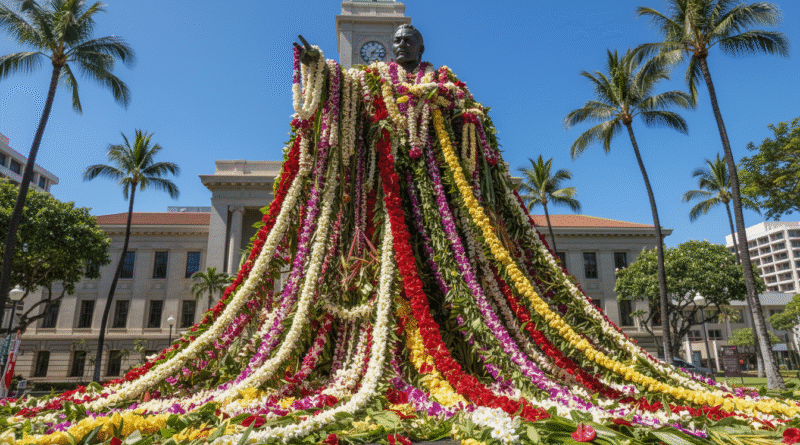
The festivities kick off at 9 a.m. at Ali’iolani Hale in downtown Honolulu, where community members gather to drape dozens of fresh lei around the towering bronze statue of King Kamehameha I. This cherished tradition transforms the judicial building’s grounds into a fragrant garden of maile, plumeria, and pikake, creating one of the most photographed moments of Hawaii’s cultural calendar.
“The lei draping ceremony is deeply meaningful for our community,” says Malia Akamu, cultural coordinator for the Native Hawaiian Hospitality Association. “It’s our way of showing respect and gratitude to King Kamehameha, whose vision united the Hawaiian Islands and whose legacy continues to guide us today.”
The Floral Parade Route
Following the lei ceremony, the King Kamehameha Floral Parade begins at 10 a.m. from Iolani Palace, winding its way through downtown Honolulu and ending at Kapiolani Park in Waikiki. The 3.5-mile route takes participants and spectators on a journey through the city’s historic core, passing landmarks like Kawaiaha’o Church and the State Capitol.
The parade features elaborate floral floats representing different Hawaiian islands, with each entry showcasing unique cultural elements and native plants. Pa’u riders on horseback, dressed in traditional holoku gowns and lei, represent each island’s royal colors, creating a moving tapestry of Hawaiian heritage.
Spectators line King Street, Kalakaua Avenue, and other portions of the route to catch glimpses of the ornate displays and wave to participants. The procession typically includes Hawaiian music groups, hula halau, and community organizations, all paying tribute to the ali’i who established the Kingdom of Hawaii.
Where to Watch and Park
Prime viewing spots for the lei draping ceremony are around Ali’iolani Hale on King Street, though arrive early as crowds gather well before the 9 a.m. start time. The ceremony is free and open to the public, making it accessible for families and visitors alike.
For parade viewing, downtown Honolulu offers several excellent vantage points along King Street near the palace grounds. As the parade moves toward Waikiki, Kalakaua Avenue provides numerous spots to catch the procession, with many spectators setting up along the route between downtown and Kapiolani Park.
Parking will be extremely limited throughout downtown Honolulu and Waikiki during the celebration. The city typically closes several streets along the parade route, and municipal parking lots fill up quickly. Consider taking TheBus or arranging alternative transportation, as routes 2, 13, and 20 provide service to downtown and Waikiki areas.
For those driving, arrive before 8 a.m. to secure parking in lots away from the immediate downtown core. Street parking on side streets several blocks from the main route often provides the best options for early arrivals.
Cultural Significance and Activities
King Kamehameha Day holds special importance as it honors Kamehameha I, who unified the Hawaiian Islands through conquest and diplomacy in the early 1800s. The celebration reflects both the historical significance of Hawaiian monarchy and the living culture that continues to thrive in modern Hawaii.
Beyond the main ceremony and parade, Kapiolani Park hosts additional festivities throughout the day. Traditional Hawaiian games, craft demonstrations, and cultural performances provide educational opportunities for visitors wanting to learn more about Native Hawaiian traditions.
Local food vendors typically set up along the parade route and at Kapiolani Park, offering plate lunches, shave ice, and other local favorites. The celebration creates a festive atmosphere that extends well into the afternoon, with many families making it a full-day cultural experience.
For residents and visitors planning to attend, bringing sun protection, water, and comfortable walking shoes is essential. The June weather in Honolulu can be warm and humid, especially for those standing along the parade route for extended periods.
King Kamehameha Day 2026 offers Honolulu an opportunity to connect with Hawaiian history while celebrating the cultural diversity that makes the islands unique. Whether you’re a longtime resident or visiting for the first time, this cherished tradition provides an authentic glimpse into Hawaii’s royal heritage and community spirit.