Juneteenth Block Party Moves to Waikiki Shell for Its Biggest Year Yet
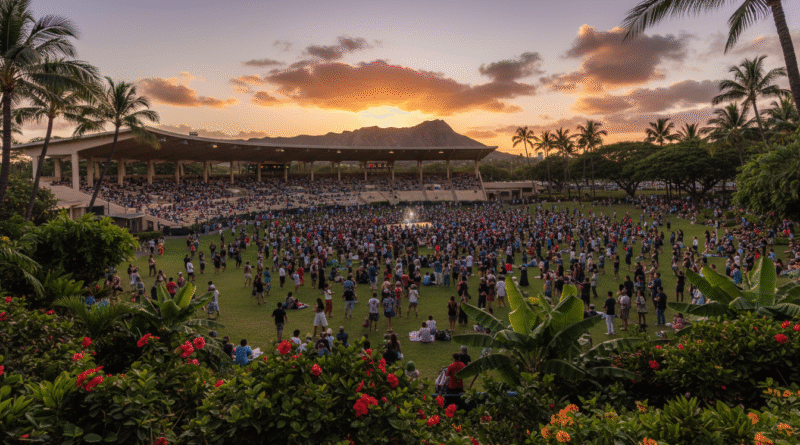
The sound of celebration will echo across Waikiki Beach this June 19 as For The Culture Hawaii’s Annual Juneteenth Block Party makes its biggest move yet — from smaller community venues to the prestigious Waikiki Shell. The milestone marks not just a change of scenery for the fifth-year celebration, but a significant step forward in amplifying Black voices and culture in Hawaii.
Organizers chose the iconic outdoor amphitheater to accommodate growing attendance and provide a more prominent platform for honoring Juneteenth, which commemorates the end of slavery in the United States. The Shell’s prime location in Kapiolani Park puts the celebration at the heart of one of Hawaii’s most visited areas, making it accessible to both locals and visitors.
“Moving to the Waikiki Shell represents how far our community has come in five years,” said Keoni Williams, co-founder of For The Culture Hawaii. “We started in smaller spaces because that’s all we could fill, but this community has grown, and our voices deserve to be heard on one of Hawaii’s most recognized stages.”
The organization began hosting Juneteenth celebrations in 2020, initially drawing modest crowds to venues in Kalihi and downtown Honolulu. Each year has seen steady growth in both attendance and community support, reflecting Hawaii’s expanding recognition of Juneteenth as an important cultural milestone.
Beyond Entertainment: Building Community
While the block party features live music, local vendors, and traditional soul food, organizers emphasize the event’s deeper purpose. The celebration serves as both education and affirmation for Hawaii’s Black residents, many of whom are military families stationed at Pearl Harbor and other installations across Oahu.
Hawaii’s Black population, while relatively small compared to the mainland, has grown steadily over the past decade. The 2020 census recorded approximately 21,000 Black residents statewide, with the majority living on Oahu. For many, events like the Juneteenth celebration provide crucial connection to cultural traditions and community.
This year’s programming includes panel discussions about Black history in Hawaii, a keiki area with cultural activities, and performances by local artists representing various genres from hip-hop to reggae. Food vendors will serve everything from traditional barbecue to Hawaiian-fusion dishes that reflect the islands’ multicultural culinary landscape.
The event also features a marketplace showcasing Black-owned businesses from across Oahu, including everything from handmade jewelry to specialty food products. Several vendors have participated since the celebration’s inception, using the platform to build customer bases and network with other entrepreneurs.
Cultural Significance in the Pacific
Hawaii’s unique position as a multicultural society makes Juneteenth celebrations particularly meaningful, organizers say. The islands’ history of plantation labor and diverse immigration patterns creates natural connections between different communities of color.
Local historians note that while Hawaii never practiced slavery, the islands’ plantation system relied on indentured labor from various ethnic groups, creating shared experiences of struggle and resilience. These historical parallels help explain why Juneteenth resonates with many Hawaii residents beyond the Black community.
The Waikiki Shell venue choice also carries symbolic weight. Built in 1956, the amphitheater has hosted everyone from the Honolulu Symphony to contemporary artists, establishing itself as a premier cultural venue. Having Juneteenth celebrated there places Black culture alongside other traditions honored at the historic site.
Community partnerships have expanded alongside the event’s growth. This year’s sponsors include several local businesses, the Hawaii State Department of Health’s Office of Health Equity, and various community organizations focused on social justice and cultural preservation.
Looking Forward
The move to Waikiki Shell positions the Juneteenth celebration for continued growth and greater visibility. Organizers hope the prominent venue will attract more diverse audiences while maintaining the intimate community feel that has defined previous years.
For Hawaii’s Black residents, the celebration represents something larger than a single day’s festivities. It’s an annual affirmation of belonging in island communities and a chance to share cultural traditions with neighbors from all backgrounds.
The June 19 event runs from noon to 8 p.m., with free admission and parking available throughout Kapiolani Park. Organizers encourage attendees to bring blankets and prepare for an afternoon of music, food, and community connection that honors both history and Hawaii’s multicultural future.