Waianiani at The Cove: Ko Olina’s 10-Acre Oceanfront Site to Reopen to the Public After 40 Years
A sprawling oceanfront property in West Oʻahu that has remained largely closed to the public for four decades is set to transform into a major mixed-use destination, marking a significant milestone in the region’s ongoing development boom.
Cove Campbell Kobayashi LLC has unveiled plans to redevelop the 10.85-acre Waianiani at The Cove site, located adjacent to the Ko Olina Resort. The ambitious project will combine entertainment venues, dining establishments, and retail spaces while restoring public access to a pristine stretch of coastline that many Oʻahu residents have never experienced.
“This represents more than just another development — it’s about reconnecting our community with a piece of coastline that’s been off-limits for far too long,” said James Kobayashi, managing partner of the development group. “We’re committed to creating something that serves both residents and visitors while respecting the cultural significance of this land.”
The property, which once hosted popular lūʻau shows that drew tourists and locals alike, has sat largely dormant since the 1980s. Its reopening comes as West Oʻahu experiences unprecedented growth, with new residential communities, shopping centers, and infrastructure projects reshaping the landscape from Kapolei to Ko Olina.
Prime Oceanfront Real Estate Returns
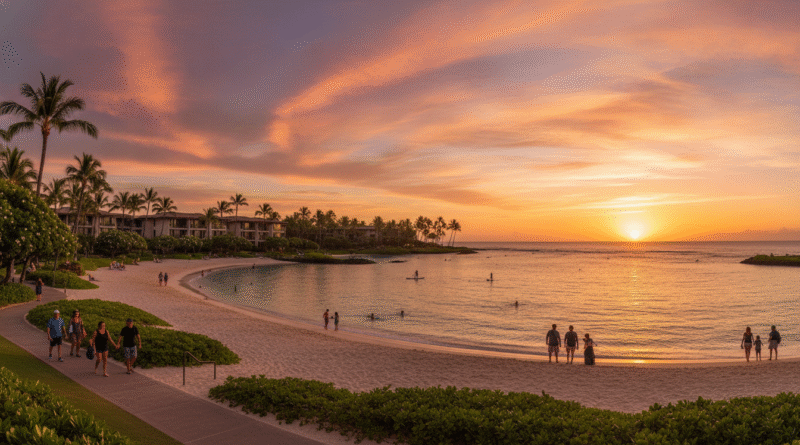
Located between the existing Ko Olina lagoons and the planned Disney Aulani expansion, Waianiani at The Cove occupies some of the most coveted real estate in Hawaii. The site offers direct beach access and unobstructed ocean views, features that have become increasingly rare as coastal development has intensified across the islands.
The development team plans to incorporate traditional Hawaiian design elements throughout the property, with low-rise buildings that blend into the natural landscape. Early renderings show open-air pavilions, waterfront dining areas, and pedestrian pathways that connect to existing Ko Olina walkways.
Local cultural practitioners have been consulted throughout the planning process to ensure the development honors the area’s historical significance. Archaeological surveys conducted on the property have identified several sites of cultural importance, which will be preserved and integrated into the final design.
Economic Impact on West Oʻahu
The project is expected to create approximately 800 construction jobs over the next three years, followed by 1,200 permanent positions once operational. These numbers add to the growing employment opportunities in West Oʻahu, which has seen significant job growth as major employers establish operations in the region.
Construction is scheduled to begin in late 2025, with the first phase opening targeted for 2027. The phased approach allows for community feedback and adjustments as development progresses.
The timing aligns with several other major projects in the area, including the expansion of the Ko Olina Marina and improvements to the H-1 freeway that will ease access to the region. Combined, these developments are positioning West Oʻahu as a major economic hub that extends well beyond tourism.
Balancing Development and Access
Perhaps the most significant aspect of the Waianiani project is its commitment to public beach access. Unlike many coastal developments that restrict shoreline access to guests and residents, the plan includes dedicated public parking and clearly marked pathways to the beach.
This approach addresses long-standing concerns from community groups who have advocated for greater public access to Oʻahu’s coastline. The Hawaii Chapter of the Surfrider Foundation has endorsed the project’s access provisions, calling them a model for future coastal developments.
The development also includes plans for a cultural center that will offer educational programs about Native Hawaiian history and ocean stewardship. This component aims to provide both visitors and residents with deeper understanding of the area’s significance beyond its commercial appeal.
West Oʻahu’s Growing Appeal
The Waianiani project reflects broader trends transforming West Oʻahu from a primarily residential area into a diverse economic region. The completion of the rail system’s western segments, improved roadways, and growing retail options have made the area increasingly attractive to both businesses and residents seeking alternatives to urban Honolulu.
Housing developments in Kapolei, ʻEwa Beach, and surrounding communities continue expanding, creating a built-in customer base for entertainment and dining venues. The region’s appeal to young families, in particular, has created demand for weekend destinations that don’t require the drive to town or the North Shore.
Environmental impact assessments for the project are currently under review by state and county agencies. Public hearings are expected to begin this fall, providing residents with opportunities to comment on the proposed development.
For longtime West Oʻahu residents, the reopening of Waianiani represents both opportunity and change. While the economic benefits are clear, the transformation of this quiet coastline into a bustling destination will undoubtedly alter the character of the area. The success of the project will largely depend on how well developers balance commercial viability with community needs and environmental stewardship.