Stolen Native Hawaiian Artifacts Returned to Bishop Museum After 40-Year Journey
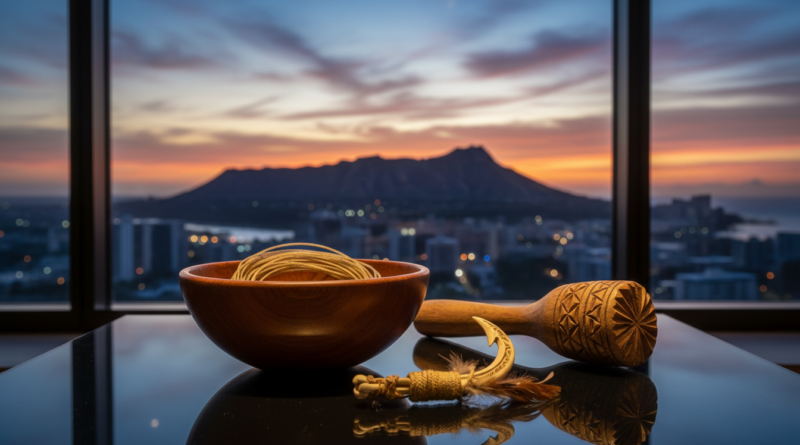
A collection of priceless Native Hawaiian artifacts has finally returned home to the Bishop Museum after a four-decade journey that took them from Oahu to the mainland and back again. The items, which include traditional fishing hooks, carved wooden bowls, and ceremonial tools dating back centuries, were recovered through a joint effort between federal investigators and museum curators.
The artifacts were originally stolen from the museum’s storage facilities in the early 1980s, during a period when security protocols were less stringent than today’s standards. Museum officials discovered the theft during a routine inventory check, but by then the items had already disappeared into private collections on the mainland.
“These aren’t just museum pieces — they’re sacred connections to our ancestors and our cultural identity,” said Dr. Melanie Ide, the museum’s vice president of cultural resources. “Every piece tells a story about how our kupuna lived, worked, and understood their relationship with the natural world.”
The recovery process began in 2019 when an art dealer in California contacted the FBI after becoming suspicious about the provenance of Hawaiian items being offered for sale. Federal agents worked with Bishop Museum staff to authenticate the pieces and trace their origins back to the Kalihi-Palama institution.
A Long Road Home
The investigation revealed that the stolen artifacts had changed hands multiple times over the years, passing through private collectors and auction houses across California, New York, and Texas. Some pieces were sold for thousands of dollars, while others remained in private collections for decades.
The most significant piece in the recovered collection is a fishhook made from human bone, a practice that was reserved for ali’i (royalty) in ancient Hawaiian society. The hook, which likely dates to the 16th or 17th century, represents the spiritual connection between Hawaiian fishing practices and ancestral reverence.
Also returned were several hand-carved wooden bowls used for poi preparation, stone adzes for canoe building, and delicate lei-making needles crafted from bird bones. Each item underwent extensive authentication using advanced imaging techniques and comparison with documented museum records from the 1970s.
The Bishop Museum, located in Kalihi near the junction of Bernice Street and Kapalama Avenue, houses the world’s largest collection of Polynesian cultural artifacts. Founded in 1889 by Charles Reed Bishop in honor of his wife, Princess Bernice Pauahi Bishop, the museum serves as a guardian of Hawaiian and Pacific Island heritage.
Security Improvements
Museum officials say the theft led to significant improvements in their security and cataloging systems. The institution now employs advanced digital documentation, climate-controlled storage, and 24-hour monitoring to protect its irreplaceable collections.
“This incident taught us hard lessons about the responsibility we bear as stewards of Hawaiian culture,” Ide explained. “We’ve invested heavily in security infrastructure and staff training to ensure something like this never happens again.”
The recovered artifacts will undergo conservation treatment before being considered for public display. Some pieces may be too fragile for exhibition and will remain in protected storage, accessible only to researchers and cultural practitioners.
The return comes at a time when Native Hawaiian communities are increasingly focused on cultural repatriation and the protection of ancestral remains and artifacts. The museum has been working closely with Native Hawaiian organizations to ensure that culturally sensitive items receive appropriate care and handling.
Federal prosecutors declined to file charges in the case, citing the statute of limitations and the complexity of proving criminal intent among the various collectors who possessed the items over the years. However, all parties cooperated with the return process once the items’ origins were established.
The Bishop Museum plans to hold a blessing ceremony for the returned artifacts, following traditional Hawaiian protocols for welcoming sacred objects back to their proper home. The ceremony will include members of the Native Hawaiian community and museum staff who worked on the recovery effort.
For Honolulu residents and visitors, this recovery represents more than just the return of stolen property — it’s about preserving the tangible connections to Hawaii’s rich cultural past. As the museum continues its mission to educate and inspire, these artifacts will once again serve their intended purpose: keeping Hawaiian history and traditions alive for future generations.