
Hawaii Tourism Authority Projects Record 11 Million Visitors for 2026
The Hawaii Tourism Authority announced Wednesday that the state is on track to welcome a record-breaking 11 million visitors in 2026, marking a significant rebound from pandemic lows and surpassing pre-COVID tourism levels by nearly 1 million arrivals.
The projection represents a 22% increase from 2023’s 9 million visitors and would eclipse the previous record of 10.4 million set in 2019. The forecast comes as Hawaii continues to balance economic recovery with growing concerns about overtourism’s impact on local communities and infrastructure.
“We’re seeing unprecedented demand across all major markets,” said HTA Chief Executive Officer John De Fries during a presentation to the state legislature’s tourism committee. “The challenge now is ensuring this growth benefits residents while preserving what makes Hawaii special.”
The surge is being driven primarily by increased capacity from major airlines and pent-up travel demand, particularly from the mainland United States and Japan. Southwest Airlines’ expanded inter-island service and Hawaiian Airlines’ new routes to secondary markets are contributing to the accessibility boom.
Oahu Bearing the Brunt
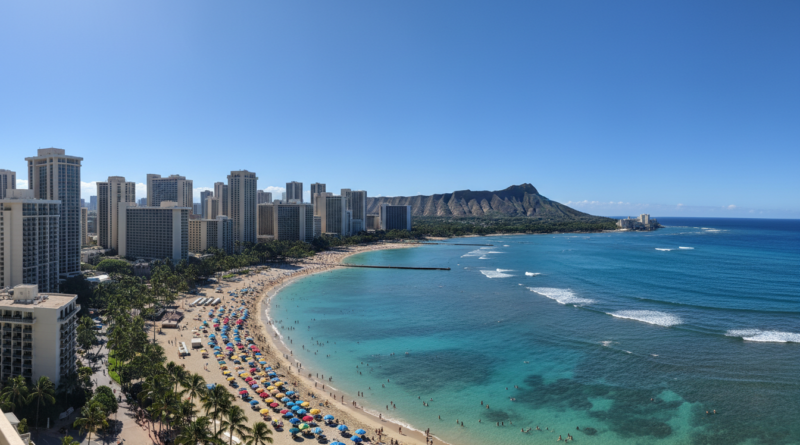
Oahu is expected to absorb the largest share of new visitors, with projections showing 6.2 million arrivals by 2026. The influx will put additional strain on already-congested areas like Waikiki, Diamond Head, and the North Shore.
Local business leaders in Waikiki have mixed reactions to the projections. While hotels and retailers anticipate increased revenue, some worry about the neighborhood’s capacity to handle the crowds.
“We’re already seeing lines at Duke’s and overcrowding at Kuhio Beach on weekends,” said Maria Santos, president of the Waikiki Neighborhood Board. “Eleven million visitors sounds great for the economy, but we need serious infrastructure improvements to handle that volume responsibly.”
The tourism boom is expected to generate an additional $2.3 billion in visitor spending by 2026, bringing total tourism revenue to approximately $19.8 billion annually. However, economists warn that without proper planning, the increased volume could strain public services and exacerbate housing affordability issues.
Infrastructure Concerns Mount
The projected visitor increase comes as Honolulu already struggles with traffic congestion, beach erosion, and overwhelmed hiking trails. Popular destinations like the Lanikai Pillboxes and Makapuu Lighthouse have implemented reservation systems to manage crowds.
State transportation officials acknowledge that current infrastructure may not support the projected growth. The Daniel K. Inouye International Airport is planning a $2.8 billion modernization project, but construction won’t begin until 2025.
City and County of Honolulu Managing Director Mike Formby said the administration is exploring visitor impact fees and enhanced bus service to popular destinations. “We can’t just hope for the best with these numbers,” Formby said. “We need proactive solutions.”
Community Pushback Growing
The announcement has reignited debates about tourism’s role in Hawaii’s economy versus its impact on local quality of life. Recent surveys show 68% of Oahu residents believe tourism levels are already too high.
Native Hawaiian advocacy groups have called for caps on daily visitor arrivals and stronger enforcement of environmental protections. The Protect Kaho’olawe ‘Ohana and other organizations argue that record tourism numbers conflict with efforts to preserve Hawaiian culture and natural resources.
“Every additional million visitors means more cars on H-1, more people at our beaches, and higher costs for local families,” said Keoni Nakamura, a community organizer in Kailua. “At some point, we have to ask whether endless growth serves anyone besides the tourism industry.”
Economic Dependencies Run Deep
Despite community concerns, tourism remains Hawaii’s largest industry, directly employing over 200,000 residents statewide. The sector’s recovery from pandemic lows has been crucial for small businesses, from food trucks to activity providers.
The HTA projects that reaching 11 million visitors will create approximately 15,000 new jobs, though many will be in lower-wage service positions. Critics argue the state should focus on diversifying its economy rather than maximizing visitor volume.
State economists are monitoring whether the projected growth is sustainable long-term. Rising travel costs, climate change impacts, and potential mainland economic downturns could affect demand.
The tourism authority plans to release detailed management strategies by June 2024, including proposals for visitor education programs and community benefit initiatives. For Honolulu residents, the challenge ahead is ensuring record tourism numbers translate into broadly shared prosperity rather than just crowded beaches and higher living costs.