Honolulu Mayor Proposes $3.5 Billion City Budget With Focus on Infrastructure
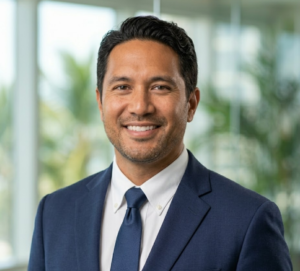
Mayor Rick Blangiardi unveiled his proposed $3.5 billion operating budget for fiscal year 2025 on Tuesday, emphasizing major infrastructure improvements and expanded city services while navigating ongoing financial pressures from the city’s aging systems and growing population demands.
The budget proposal, presented to the Honolulu City Council, represents a 4.2% increase from the current year’s spending plan. Blangiardi highlighted significant allocations for road repairs, sewer system upgrades, and park maintenance as top priorities for the coming year.
“Our infrastructure has been neglected for too long, and residents across every district are feeling the impact,” Blangiardi said during his budget presentation at Honolulu Hale. “From Kalihi to Hawaii Kai, we’re seeing the consequences of deferred maintenance, and this budget begins to address those critical needs.”
Infrastructure Takes Center Stage
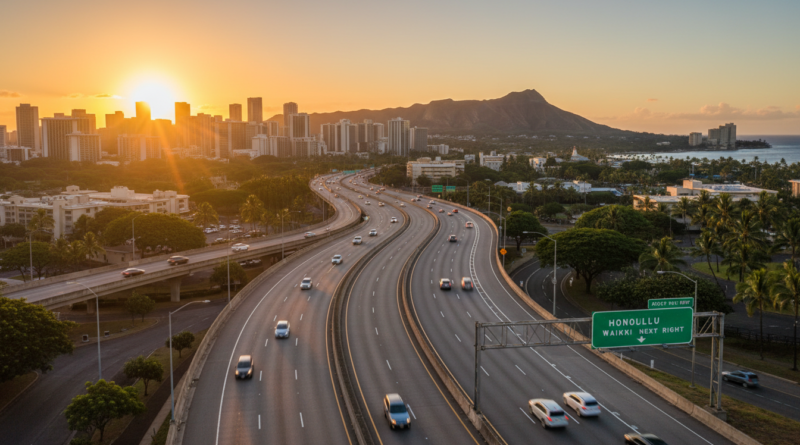
The proposed budget dedicates $890 million specifically to infrastructure projects, including $340 million for road resurfacing and pothole repairs across the island. The Department of Environmental Services would receive $180 million for sewer line replacements, particularly in older neighborhoods like Kaimuki and Manoa where aging pipes have caused repeated service disruptions.
An additional $125 million is earmarked for park improvements and maintenance, addressing complaints from communities about deteriorating facilities at popular locations like Sand Island State Recreation Area and Keeaumoku Park.
The city’s ongoing rail project continues to consume a significant portion of the budget, with $420 million allocated to complete construction to Ala Moana Center and begin initial operations. Despite cost overruns and delays, Blangiardi maintained that completing the rail system remains essential for addressing Oahu’s traffic congestion.
Public Safety and Housing Initiatives
The Honolulu Police Department would see its budget increase to $385 million, funding 200 additional officers over the next two years. The expansion aims to improve response times and increase community policing efforts in neighborhoods experiencing rising property crime rates.
Housing initiatives receive $95 million in the proposed budget, including funding for affordable housing projects and programs to assist first-time homebuyers. The allocation reflects the city’s ongoing struggle with housing costs that have pushed many local families out of urban Honolulu.
Emergency management and climate resilience programs would receive $45 million, supporting sea level rise adaptation projects and enhanced disaster preparedness capabilities across the island.
Funding Sources and Challenges
Property tax revenues are projected to generate $2.1 billion of the total budget, reflecting continued growth in property values across Honolulu. However, the mayor acknowledged concerns from residents about rising tax burdens, particularly affecting seniors on fixed incomes.
Federal funding streams contribute approximately $580 million to the budget, including grants for transportation projects and social services. Tourism-related revenues, including hotel taxes and parking fees, are expected to provide $320 million, showing recovery from pandemic-era lows but remaining below pre-2020 levels.
The budget also includes provisions for a $75 million reserve fund to address unexpected expenses and economic uncertainties.
Council Review Process
City Council Chair Tommy Waters emphasized that the proposed budget would undergo thorough review during upcoming committee hearings scheduled throughout April and May.
“While we appreciate the mayor’s focus on infrastructure, we need to carefully examine whether these spending levels are sustainable and truly address our residents’ most pressing needs,” Waters said following Tuesday’s presentation.
Council members are expected to propose amendments during the review process, with particular attention to funding levels for homeless services and affordable housing programs that some members believe require additional resources.
Community Impact
The budget’s infrastructure focus addresses longstanding complaints from neighborhood boards across the island about deteriorating roads and inadequate city services. Recent community meetings in areas like Kalihi-Palama and East Honolulu have highlighted residents’ frustrations with potholes, broken streetlights, and insufficient park maintenance.
Business groups have generally supported the infrastructure investments, arguing that improved roads and utilities are essential for economic growth and tourism recovery.
The City Council must approve the final budget by May 31 to ensure continuity of city services when the new fiscal year begins July 1. Public hearings on the budget proposal are scheduled for late April, providing residents opportunities to comment on spending priorities that will shape Honolulu’s development for the coming year.