
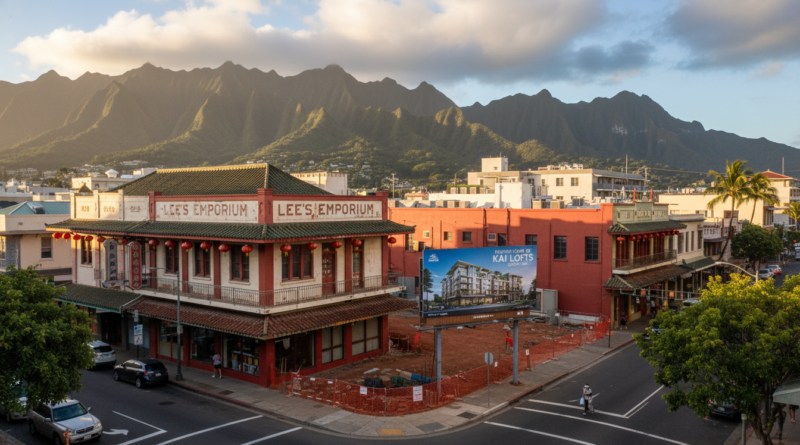
City Acquires Downtown Parcel on N. Pauahi Street to Expand Affordable Housing Push
The City and County of Honolulu has quietly acquired a strategic corner parcel on North Pauahi Street as part of its expanding effort to create affordable housing in the urban core, officials confirmed this week.
The acquisition, located near the intersection of North Pauahi and Nuuanu Avenue, positions the city to potentially develop workforce housing within walking distance of downtown employment centers. The move comes as Hawaii continues to grapple with the nation’s highest housing wage requirement, where residents need to earn $44.52 per hour to afford a modest two-bedroom rental.
The North Pauahi parcel sits at the edge of Chinatown’s cultural district, an area that has seen increasing development pressure as downtown Honolulu experiences renewed interest from both developers and city planners. The location offers proximity to the airport rail line and major bus routes, making it attractive for workforce housing.
“This acquisition represents a significant opportunity to address our housing crisis right where people work,” said Councilmember Tommy Waters, who chairs the Planning and the Economy Committee. “We’re looking at creating housing that serves the teachers, firefighters, and service workers who keep our city running but often can’t afford to live here.”
The city has not disclosed the purchase price or timeline for development, but the acquisition follows a pattern of strategic property purchases aimed at creating affordable housing in transit-oriented locations. Similar efforts have been underway in Kakaako and near the Kalihi-Palama rail stations.
Chinatown Neighbors Watch Closely
The acquisition has drawn attention from longtime Chinatown residents and business owners who have watched their neighborhood transform over the past decade. Rising property values have pushed out some longtime businesses while attracting new restaurants and art galleries.
Community advocates worry about potential displacement but acknowledge the need for affordable housing options. The area already hosts several low-income housing projects, including River Street Apartments and nearby senior housing facilities.
The North Pauahi location could accommodate mid-rise housing that fits the existing neighborhood scale while providing dozens of affordable units. The site’s proximity to Maunakea Marketplace and the cultural attractions of Chinatown makes it particularly valuable for creating workforce housing.
Housing Crisis Demands Creative Solutions
Hawaii’s housing affordability crisis has pushed city leaders to explore unconventional approaches to creating workforce housing. The state’s housing wage requirement means a household needs to earn nearly $93,000 annually to afford median rent without being cost-burdened.
For many essential workers in Honolulu, including teachers starting at $51,000 and entry-level city employees, market-rate housing remains out of reach. This has led to longer commutes from more affordable areas like Ewa Beach and Mililani, contributing to traffic congestion.
The city’s affordable housing strategy increasingly focuses on transit-oriented development that reduces transportation costs while keeping workers close to employment centers. The North Pauahi site fits this model, with planned rail service and existing bus connections.
City planning officials have indicated they’re exploring partnerships with affordable housing developers to maximize the site’s potential. This could include mixed-income housing that serves various income levels while maintaining affordability requirements.
Timeline Remains Unclear
While the acquisition signals serious intent to develop affordable housing on the site, residents shouldn’t expect construction to begin immediately. The city must still complete environmental assessments, community engagement, and design processes before any groundbreaking.
Similar city-initiated housing projects have typically taken three to five years from land acquisition to occupancy. The North Pauahi project will likely follow a similar timeline, with community meetings and planning processes beginning within the next year.
For downtown workers struggling with housing costs, the North Pauahi acquisition represents hope for more affordable options in the urban core. However, the project’s success will depend on careful planning that respects the cultural character of adjacent Chinatown while meeting the urgent need for workforce housing.
The acquisition also reflects broader recognition that Honolulu’s housing crisis requires public sector leadership and strategic land use planning, not just reliance on private market solutions.