
Chick-fil-A Opens Its Largest Hawaii Restaurant Yet on Kapiolani Boulevard
The familiar red and white logo now towers over a bustling stretch of Kapiolani Boulevard, as Chick-fil-A officially opened its largest Hawaii restaurant yet on April 2. The new 5,000-square-foot location at 1837 Kapiolani Boulevard marks the chicken chain’s most ambitious Hawaii expansion, featuring drive-thru service and seating for more than 100 guests.
The restaurant sits strategically between Ala Moana Center and downtown Honolulu, occupying a prime spot in the Keeaumoku corridor that’s become increasingly competitive for fast-food chains. With McDonald’s, Burger King, and local favorites like Rainbow Drive-In all within a half-mile radius, the area represents one of Oahu’s most densely packed fast-food markets.
“We’ve been watching this location develop for months, and the size really stands out,” said Michael Tanaka, a Kalihi resident who works nearby at Ala Moana Center. “It’s definitely bigger than the other Chick-fil-As on the island, and you can tell they’re serious about competing here.”
Design Tailored for Island Living
The Kapiolani location incorporates several design elements specifically chosen for Hawaii’s climate and culture. Large windows maximize natural light while providing views of the surrounding urban landscape, and the interior features local artwork celebrating Hawaii’s diverse communities.
The restaurant also includes an expanded kitchen to handle higher volume, reflecting corporate expectations for heavy traffic in this central location. Unlike smaller Chick-fil-A outlets in shopping centers like Pearlridge and Windward Mall, this standalone building offers dedicated parking and a full-service drive-thru lane.
The chain’s Hawaii presence has grown steadily since entering the market several years ago, but this location represents a significant escalation in investment. Previous Hawaii restaurants averaged around 3,500 square feet, making the Kapiolani Boulevard outlet roughly 40% larger than its predecessors.
Shifting Fast-Food Dynamics
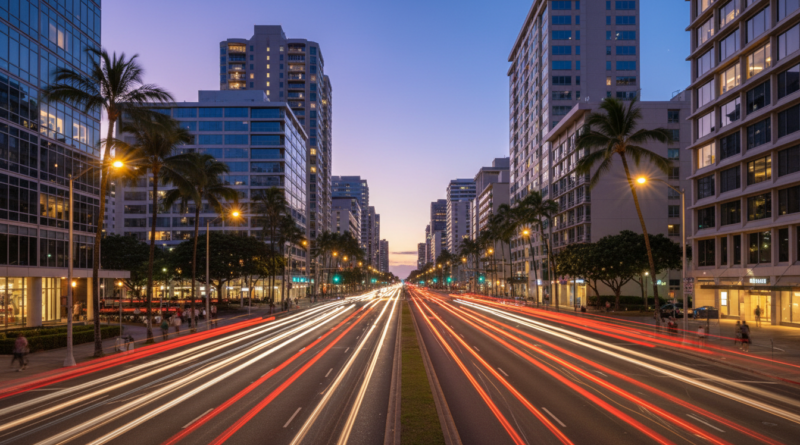
The opening comes as the Keeaumoku-Kapiolani corridor experiences broader commercial changes. Construction cranes dot the skyline with new residential towers, while established businesses adapt to increased foot traffic and changing demographics.
Local restaurant owners have watched national chains expand their Hawaii footprints with mixed feelings. While increased competition can strain smaller operations, the area’s growing density also brings more potential customers to everyone.
“The whole strip is getting busier,” said longtime area business owner Lisa Wong, who operates a small plate lunch counter two blocks away. “More people living in those new condos means more lunch customers for all of us, not just the big chains.”
The timing coincides with broader shifts in Hawaii’s fast-food landscape. Several mainland chains have recently expanded their local presence, from Raising Cane’s chicken fingers to various burger concepts, intensifying competition for local dining dollars.
Community Response
Early customer response appears positive, with steady crowds during lunch hours and families taking advantage of the spacious dining area during dinner time. The restaurant’s proximity to multiple bus lines along Kapiolani Boulevard makes it accessible to residents across the island.
However, some longtime residents express concerns about the continued “mainlandization” of Hawaii’s dining scene. Local food culture remains strong, but chains increasingly dominate high-traffic commercial areas where local operators struggle with rising rents.
The restaurant expects to hire approximately 80 full-time and part-time employees, contributing to the local job market in an area where service sector employment opportunities continue expanding.
Looking Ahead
Chick-fil-A’s Kapiolani investment signals confidence in Hawaii’s market potential and suggests possible future expansion. The company has not announced additional Hawaii locations, but the scale of this restaurant indicates they view the islands as a growth market worth significant capital investment.
For Honolulu diners, the opening represents another option in an increasingly crowded fast-food landscape. Whether it can capture lasting market share in a city where local-style plate lunches and poke bowls remain cultural staples will depend on how well it adapts to island tastes and lifestyle.
The restaurant’s success or struggle will also serve as a bellwether for other mainland chains considering Hawaii expansion, making it a development worth watching for anyone interested in how Honolulu’s commercial landscape continues evolving.
