Waikiki Beach Sand Stabilization: HCDA Eyes Project Management Role for Kawehewehe Sector Erosion Fix
The Hawaii Community Development Authority is poised to take the helm of a long-awaited sand stabilization project in Waikiki Beach’s Kawehewehe sector, a move that could reshape how the state addresses one of tourism’s most pressing infrastructure challenges.
The HCDA board will discuss assuming project management responsibilities for planning, designing, and constructing erosion control structures during its May 6 meeting. The agenda item signals a potential shift in approach for addressing chronic sand loss that has plagued the stretch of beach fronting the Royal Hawaiian and Moana Surfrider hotels.
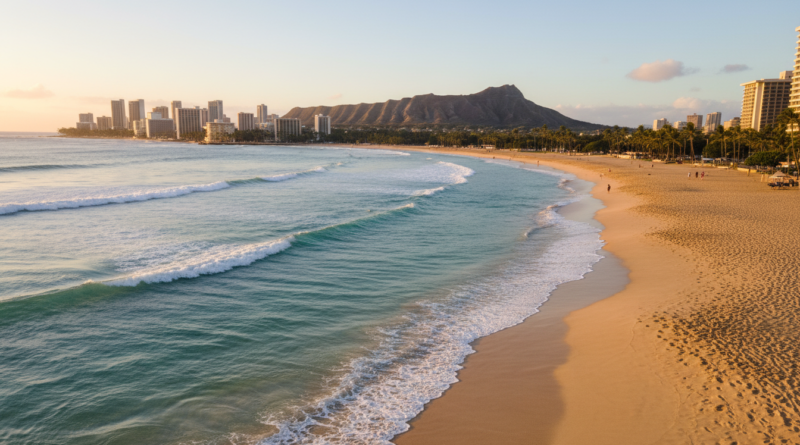
Kawehewehe, the traditional Hawaiian name for this section of Waikiki Beach, has experienced significant erosion over the past decade. During winter swells, portions of the beach disappear entirely, forcing hotels to stack sandbags along their property lines and leaving tourists with little to no sand for lounging.
“The erosion in this area has reached a critical point where we need comprehensive, long-term solutions rather than the band-aid approaches we’ve been using,” said Sarah Nakamura, a coastal engineering consultant who has worked on previous Waikiki restoration projects. “HCDA taking the lead could streamline the process, but the community will want to see exactly what type of structure they’re proposing.”
Tourism Revenue at Stake
The economic implications extend far beyond aesthetics. Waikiki Beach generates an estimated $2 billion annually for Hawaii’s economy, with beachfront hotels commanding premium rates partly based on their sand frontage. When erosion forces beach closures or reduces usable beach area, it directly impacts visitor satisfaction and hotel occupancy rates.
Recent winter seasons have seen the problem worsen, with some areas of Kawehewehe reduced to rocky shoreline during high surf events. The Royal Hawaiian Hotel has repeatedly trucked in emergency sand supplies, while the adjacent Moana Surfrider has installed temporary barriers to protect its beachfront facilities.
The HCDA’s potential involvement represents a significant development in ongoing efforts to address Waikiki’s coastal challenges. Unlike previous piecemeal approaches managed by individual hotels or the city, having a single state agency coordinate the project could enable more comprehensive planning.
Structure Controversy Expected
However, the type of stabilization structure ultimately chosen will likely generate substantial debate within the community. Options typically range from offshore breakwaters and groins to beach nourishment programs and living shoreline approaches using coral or rock revetments.
Each solution carries trade-offs. Hard structures like groins can effectively trap sand but may accelerate erosion in adjacent areas. Breakwaters can reduce wave energy but alter surf patterns that are crucial to Waikiki’s surfing culture. Beach nourishment requires ongoing maintenance and sand sources.
Environmental groups have historically opposed permanent structures in Waikiki waters, citing concerns about impacts on marine ecosystems and traditional Hawaiian fishing practices. Meanwhile, hotel operators and tourism industry representatives typically favor solutions that provide immediate, visible results.
The timing of HCDA’s consideration aligns with broader state efforts to address coastal erosion throughout Hawaii. The agency has experience managing complex waterfront projects in Kakaako and Downtown Honolulu, though Waikiki Beach presents unique challenges given its international profile and cultural significance.
Community Input Process
If HCDA moves forward with project management responsibilities, the agency will need to navigate federal permitting processes, environmental assessments, and extensive community consultation. The U.S. Army Corps of Engineers typically reviews coastal modification projects, adding another layer of regulatory complexity.
Native Hawaiian cultural practitioners will also play a crucial role in the planning process. Kawehewehe holds traditional significance, and any intervention must consider cultural protocols and potential impacts on customary practices.
The May 6 HCDA meeting represents just the beginning of what could be a multi-year planning and construction process. Previous beach restoration efforts in Waikiki have taken anywhere from three to seven years from initial planning to completion.
For Honolulu residents and visitors alike, the outcome of this project will determine whether one of Hawaii’s most iconic beaches can maintain its appeal in the face of rising seas and intensifying storms. The decision also sets precedent for how the state will address similar coastal challenges at beaches throughout the islands.
The HCDA board meeting begins at 9 a.m. on May 6 at the agency’s Downtown Honolulu offices, with public testimony allowed on agenda items.