Lifetime Lei Maker ‘Uncle Moki’ Takes Mayor’s Grand Prize at 98th Lei Day as New Queen Crowned
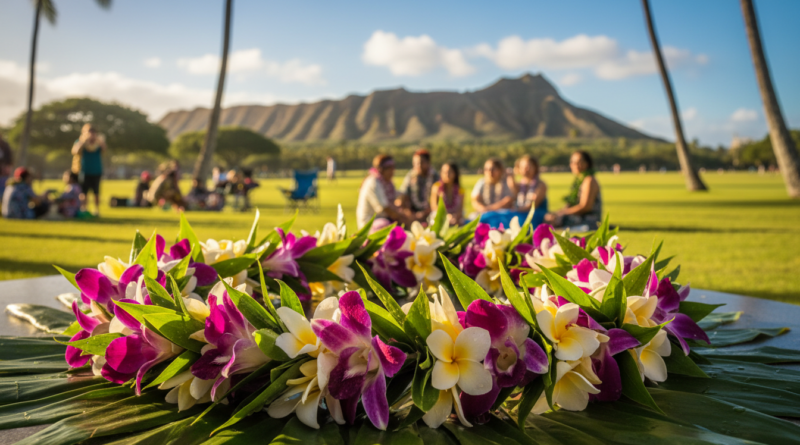
The fragrant scent of pikake and maile filled Kapiolani Park as thousands gathered for Waikiki’s 98th annual Lei Day celebration, where a master craftsman’s decades of dedication earned him the Mayor’s grand prize and a new queen was crowned to carry forward Hawaiian traditions.
Melvin “Uncle Moki” Labra, 72, took home the coveted Mayor’s award for his intricate haku lei featuring native Hawaiian plants gathered from his own Kailua garden. The retired city parks employee has been crafting lei for more than 50 years, learning the art from his grandmother in Hilo before moving to Oahu in the 1970s.
“Every flower has its own story, its own mana,” Uncle Moki said while carefully arranging his winning creation at his booth near the Diamond Head end of the park. “When you make lei with love and respect for the plants, people can feel that energy.”
His winning lei combined traditional elements like maile vine and mokihana berries with contemporary touches, showcasing the evolution of lei-making while honoring ancestral techniques. Uncle Moki credited his success to patience and a deep connection to the land that provides his materials.
New Queen Embraces Cultural Responsibility
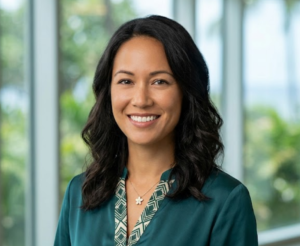
Meanwhile, Puamana Louise Garcia, 28, was crowned the 2026 Lei Day Queen in front of the Royal Hawaiian Band shell. The Kalihi-Palama native and University of Hawaii cultural studies graduate beat out seven other contestants with her knowledge of Hawaiian history and her commitment to preserving lei-making traditions.
“This crown represents more than beauty – it’s a kuleana to educate and share our culture with visitors and locals alike,” Garcia said after her crowning ceremony. “Lei Day isn’t just one day in May. It’s a year-round responsibility to keep these traditions alive.”
Garcia plans to use her reign to develop lei-making workshops for keiki in underserved communities across Oahu. Her background working with nonprofit organizations in Kalihi has shown her firsthand how cultural education can strengthen community bonds and provide youth with positive role models.
The new queen also emphasized the environmental aspects of lei-making, advocating for sustainable harvesting practices and native plant conservation. Her platform includes partnering with local botanical gardens and environmental groups to ensure future generations have access to the plants essential for traditional lei.
Celebration Draws Record Crowds
This year’s Lei Day celebration attracted an estimated 15,000 visitors to Kapiolani Park, making it one of the largest turnouts in recent memory. Food vendors lined Kalakaua Avenue while cultural practitioners demonstrated traditional crafts near the bandstand.
The contest featured more than 100 entries across categories including fresh lei, contemporary arrangements, and keiki divisions. Judges evaluated entries based on creativity, cultural authenticity, and craftsmanship.
Local resident Maria Santos brought her three children from Aiea specifically to see the lei competition. “It’s important for my kids to see how much skill and culture goes into something as simple as a lei,” she said while watching Uncle Moki demonstrate his braiding technique to a crowd of admirers.
The celebration also featured performances by halau hula from across the island, traditional Hawaiian games, and educational booths highlighting the cultural significance of different plants used in lei-making. Many visitors took advantage of hands-on workshops where they could learn basic lei-stringing techniques using carnations and plumeria.
Looking Ahead
As Lei Day 2026 concluded with the traditional sunset ceremony, both Uncle Moki and Queen Garcia spoke about their hopes for preserving and sharing Hawaiian culture in an increasingly globalized world.
Uncle Moki plans to continue teaching lei-making classes at the Kailua Community Center, where he’s already mentored dozens of students over the past decade. His goal is to establish a formal apprenticeship program that connects master lei makers with younger practitioners.
Queen Garcia will begin her official duties next week, starting with appearances at Honolulu hotels to educate visitors about lei etiquette and cultural significance. She’s also scheduled to visit elementary schools throughout the year as part of her educational outreach mission.
The success of this year’s celebration reinforces Lei Day’s role as both a tourist attraction and a vital cultural preservation event. For many Honolulu residents, it serves as an annual reminder of the islands’ rich traditions and the ongoing responsibility to share them with respect and authenticity.
Next year’s 99th Lei Day celebration is already in planning stages, with organizers hoping to expand educational programming and increase participation from neighbor island lei makers.