Chinatown’s First Friday May Gallery Walk Features Rare Show Curated by Tom Klobe
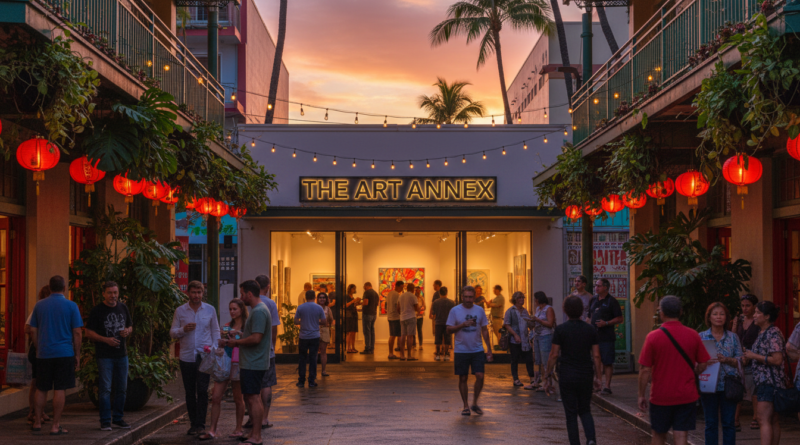
Chinatown’s galleries came alive Friday night as hundreds of art enthusiasts filled the streets for the monthly First Friday gallery walk, with Downtown Art Center hosting a standout exhibition curated by Tom Klobe, one of Hawaii’s most respected museum veterans.
The May 1 opening reception featured works by established Hawaii artists handpicked by Klobe, whose four-decade career includes leadership roles at the Contemporary Museum and extensive work with the Hawaii State Art Museum. The rare curatorial project drew both longtime collectors and curious newcomers to the heart of Honolulu’s evolving arts district.
“Tom’s eye for identifying significant work is unmatched in Hawaii,” said Downtown Art Center director Sarah Chen. “Having him curate a show here brings a level of institutional credibility that helps elevate not just our space, but the entire Chinatown arts community.”
The exhibition arrival coincides with Chinatown’s continued transformation from a primarily commercial district to a thriving cultural hub. Over the past decade, galleries, artist studios, and creative spaces have joined longtime businesses along Hotel Street, Bethel Street, and the surrounding blocks.
First Friday’s Growing Impact
First Friday Honolulu, now in its 15th year, has become the anchor event that draws thousands of visitors monthly to Chinatown’s galleries, bars, and restaurants. What began as a modest gallery walk has evolved into a neighborhood-wide celebration that brings together diverse communities rarely seen mingling in other parts of the city.
The monthly event typically features 15-20 participating venues, from established galleries like The Arts at Marks Garage to newer spaces tucked into converted storefronts. Visitors can walk from venue to venue, often catching live music, food trucks, and impromptu street performances along the way.
Local restaurant owners say First Friday has become crucial for their bottom line. Murphy’s Bar & Grill and Manifest report their busiest nights coincide with the gallery walk, while newer establishments like Lucky Belly and Livestock Tavern credit the monthly foot traffic with helping establish their customer base.
Bridging Old and New Chinatown
The cultural event also serves as a bridge between Chinatown’s established Asian immigrant community and the influx of young artists, professionals, and students drawn to downtown living. Many longtime residents initially viewed the artistic transformation with skepticism, worried about gentrification displacing traditional businesses.
However, the monthly gallery walk has fostered unexpected connections. Traditional herb shops display contemporary art in their windows, while new galleries incorporate Chinese cultural elements into their programming. The result is a uniquely Honolulu blend of old and new that distinguishes the neighborhood from generic arts districts in mainland cities.
Klobe’s exhibition exemplifies this evolution. Known for championing local artists throughout his career, his selections for Downtown Art Center include both established figures and emerging talents working in traditional and contemporary mediums. The show runs through the end of May, giving visitors multiple First Friday opportunities to experience the works.
Economic Engine for Downtown
Beyond its cultural impact, First Friday has become an economic engine for downtown Honolulu. The Hawaii Tourism Authority estimates each monthly event generates approximately $250,000 in economic activity, from gallery sales to restaurant tabs to parking fees.
The ripple effects extend beyond one night per month. Many visitors return during off-peak times to revisit galleries or try restaurants they discovered during First Friday, creating sustained business for neighborhood merchants.
City Council member Carol Fukunaga, whose district includes Chinatown, notes that First Friday has helped change perceptions of downtown after hours. “For years, people saw downtown as a place to work and leave,” she said. “Now families bring their children to First Friday. That transformation has been remarkable.”
The success has inspired similar events in other Honolulu neighborhoods. Kaimuki and Kakaako now host their own monthly art walks, though none has achieved First Friday’s scale or longevity.
As Chinatown continues evolving, First Friday remains the consistent thread connecting the neighborhood’s past with its artistic future. With curators like Klobe bringing institutional expertise to grassroots venues, the monthly event promises to keep elevating Honolulu’s arts scene while preserving the authentic character that makes Chinatown unique.
The next First Friday takes place June 5, with several galleries planning special exhibitions to coincide with the summer tourist season.