
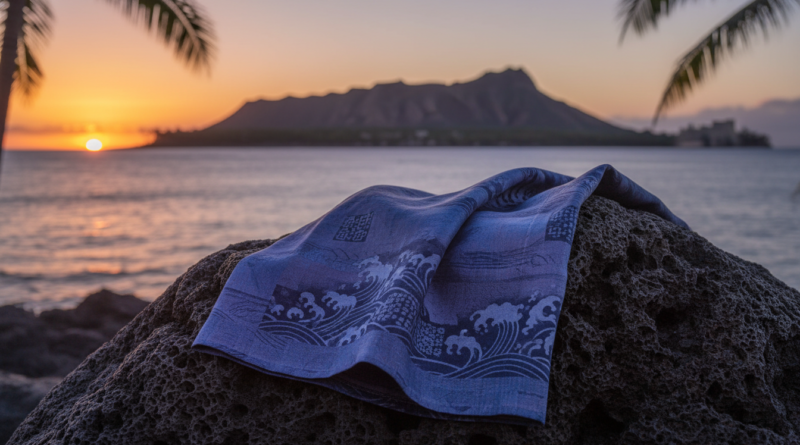
HoMA Opens ‘Quiet Luxury: Subversive Fashion in the Edo Period’ This Month — Here’s Why It Matters
The Honolulu Museum of Art will unveil “Quiet Luxury: Subversive Fashion in the Edo Period” on May 22, offering island residents a rare glimpse into how 17th-century Japanese citizens used clothing as a form of silent rebellion. The exhibition, running through October 4, explores the ingenious ways merchants and townspeople circumvented strict sumptuary laws that dictated what different social classes could wear.
During Japan’s Edo period (1603-1868), the Tokugawa shogunate imposed rigid dress codes to maintain social hierarchy. Samurai could wear silk and bright colors, while merchants — despite often being wealthy — were restricted to subdued fabrics and earth tones. But rather than accept these limitations, Japan’s emerging merchant class developed sophisticated workarounds that celebrated luxury through subtlety.
“This exhibition reveals how fashion became a language of resistance,” said Dr. Shawn Eichman, HoMA’s curator of Asian art. “These artisans and merchants created garments that appeared modest from the outside but featured exquisite hidden details — silk linings, intricate patterns visible only to the wearer, and craftsmanship that rivaled anything worn by the ruling class.”
Hidden Luxury in Plain Sight
The show features over 60 textiles and garments that demonstrate this “iki” aesthetic — a Japanese concept combining sophistication, restraint, and subtle defiance. Visitors will see kimonos with understated brown exteriors that reveal brilliant indigo interiors, and obi sashes woven with complex geometric patterns using threads so fine they’re nearly invisible from a distance.
One standout piece is a merchant’s kosode (a type of kimono) that appears to be simple gray silk. Look closer, and intricate silver threads form cloud patterns, while the lining blazes with forbidden vermillion — a color reserved for the aristocracy. These garments represent what the exhibition calls “quiet luxury,” where true refinement lay not in obvious display but in discerning craftsmanship.
The timing couldn’t be more relevant. As contemporary fashion grapples with questions of sustainability, authenticity, and the relationship between luxury and ostentation, these centuries-old garments offer fresh perspectives on how clothing can communicate identity and values.
Cultural Bridge to Modern Hawaii
The exhibition resonates particularly strongly in Honolulu, where Japanese cultural influence runs deep. From the first contract laborers who arrived in 1885 to today’s thriving Japanese-American community, the islands have long served as a cultural bridge between East and West.
“Hawaii’s relationship with Japanese aesthetics is profound and ongoing,” noted local textile artist Keiko Nakamura, whose grandmother immigrated from Hiroshima in the 1920s. “This idea of finding beauty in restraint, of expressing sophistication through subtlety rather than showiness — it’s very much part of local culture here.”
The concept of “quiet luxury” also echoes throughout Hawaiian cultural values, where ostentatious display of wealth is often viewed with suspicion. The exhibition’s themes of using creativity to navigate social restrictions will likely resonate with residents familiar with Hawaii’s own complex social hierarchies and the ways locals have historically expressed identity within challenging circumstances.
Beyond the Garments
HoMA’s presentation goes beyond static display cases. Interactive elements will allow visitors to examine textile construction techniques up close, while digital microscopy reveals thread patterns invisible to the naked eye. A dedicated section explores how these Edo-period innovations influenced modern Japanese fashion designers like Issey Miyake and Yohji Yamamoto.
The museum is also planning complementary programming throughout the exhibition’s run, including textile workshops, lectures on Japanese aesthetics, and a symposium connecting Edo-period fashion rebellion to contemporary movements in sustainable and ethical fashion.
For Honolulu residents, this exhibition offers more than historical curiosity. At a time when conversations about luxury, sustainability, and authentic self-expression dominate both fashion and broader cultural discourse, these centuries-old garments provide surprisingly contemporary insights.
The show opens during Asian Pacific American Heritage Month, adding another layer of significance for Hawaii’s diverse community. It represents HoMA’s continued commitment to presenting Asian art not as exotic artifacts but as living traditions with ongoing relevance to contemporary life in the Pacific.
“Quiet Luxury” will be housed in HoMA’s Kinau Street galleries, with tickets available online and at the door. The exhibition’s five-month run ensures both residents and visitors will have ample opportunity to experience these remarkable examples of fashion as cultural resistance — and to consider what quiet rebellions might look like in our own era.