Honolulu Council Greenlights ‘End Landfills Task Force’ as Waimanalo Gulch Closure Looms in 2028
The Honolulu City Council unanimously approved Resolution 26-7 this week, establishing the “End Landfills Task Force” with a tight 540-day deadline to develop alternatives before Waimanalo Gulch Sanitary Landfill closes in mid-2028.
The task force faces enormous pressure to identify viable waste diversion strategies while the city’s primary dump site nears capacity. With the proposed Makakilo landfill replacement still mired in environmental reviews and community opposition, Oahu could face a waste crisis without immediate action.
“We’re essentially racing against time here,” said Councilmember Andrea Tupola, who sponsored the resolution. “Waimanalo Gulch has served us for decades, but we can’t keep kicking this can down the road. Our island deserves better than shipping waste to the mainland or hoping the Makakilo project magically accelerates.”
The task force must deliver its recommendations by November 2027, giving the city just months to implement solutions before Waimanalo Gulch reaches capacity. Located in the rural Leeward Oahu community, the landfill has operated since 1989 but faces closure due to environmental concerns and community pressure.
Exploring Diversion Strategies
The resolution mandates the task force examine several waste reduction approaches, including expanded composting programs, waste-to-energy facilities, and enhanced recycling initiatives. Each option carries significant financial and logistical challenges for an island community already struggling with high living costs.
Composting organic waste could divert up to 30% of Oahu’s waste stream, but requires substantial infrastructure investment and public participation. The city’s current green waste program handles only yard trimmings, leaving food scraps — the largest organic component — bound for landfills.
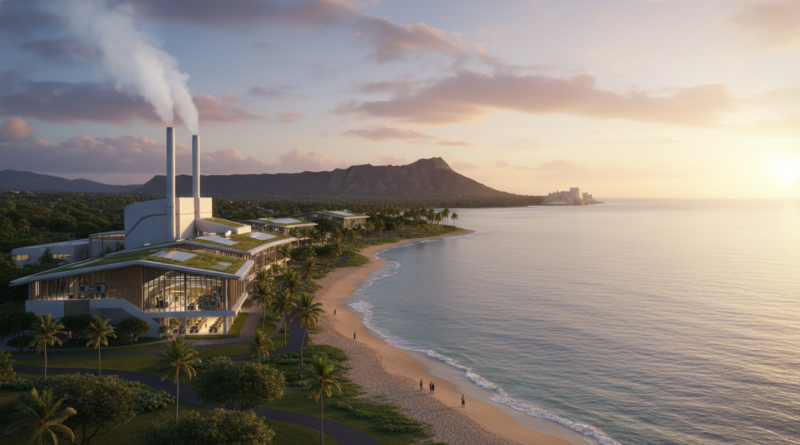
Waste-to-energy technology offers another path, converting garbage into electricity while reducing landfill volume by up to 90%. However, these facilities cost hundreds of millions to construct and face community resistance over air quality concerns, despite modern emissions controls.
Expanded recycling presents the most politically palatable option but requires overcoming Hawaii’s geographic isolation. Shipping recyclables to mainland processors eats into cost savings, while local processing facilities need significant upfront investment to achieve economies of scale.
Financial Reality Check
The task force must balance environmental goals with economic realities facing Honolulu taxpayers. Current waste management costs approximately $50 per ton, but alternatives could double or triple that figure without careful planning and phased implementation.
City budget analysts estimate waste-to-energy facilities could cost $400-600 million, while comprehensive composting infrastructure might require $100-200 million over five years. These figures don’t include ongoing operational costs or potential revenue from energy sales or compost products.
The Makakilo landfill replacement, if approved, carries an estimated $200 million price tag but faces fierce opposition from West Oahu residents concerned about traffic, odors, and property values. Environmental impact studies could drag on for years, making it an unrealistic short-term solution.
Community Input Essential
The task force will include representatives from environmental groups, waste management companies, and affected communities. Public hearings are scheduled throughout 2026 and 2027 to gather resident input on proposed solutions.
Waimanalo Gulch’s closure particularly impacts Native Hawaiian communities who have watched the facility operate in their backyard for over three decades. Many residents support the closure but worry about where waste will go next, hoping the city won’t simply export the problem to another rural area.
“We’ve been dealing with this landfill for generations,” said Ku’ulei Santos, a Waimanalo community leader. “Now we want to see real solutions that don’t just move the problem somewhere else. Our keiki deserve an island that takes care of its waste responsibly.”
The task force’s recommendations will likely shape Oahu’s waste management strategy for decades. Success could position Honolulu as a model for island sustainability, while failure might force expensive emergency measures like mainland waste shipments.
With 540 days on the clock and 1 million residents generating waste daily, the pressure is mounting for creative solutions that work both environmentally and economically. The task force begins meeting next month, with preliminary findings due by summer 2026.
