Green Signs First Tranche of 2026 Bills: License Plate Crackdown, Corporate Donor Limits, Library Day
Gov. Josh Green signed the first batch of bills from the 2026 legislative session Tuesday, putting his signature on eight measures that range from campaign finance reform to library appreciation — with dozens more awaiting action before his July 15 deadline.
The most significant piece of legislation in this initial tranche is Senate Bill 2471, which makes Hawaii the first state to directly challenge the U.S. Supreme Court’s Citizens United decision by limiting corporate donations to state and county candidates to $1,000 per election cycle.
“This legislation represents Hawaii’s commitment to ensuring that our elections reflect the voices of our people, not the wallets of powerful corporations,” Green said in a statement from his office in the State Capitol.
The corporate donation cap puts Hawaii at the forefront of a national movement to counter the 2010 Supreme Court ruling that opened the floodgates to unlimited corporate spending in elections. While the measure will likely face legal challenges, it signals Hawaii’s willingness to test constitutional boundaries in pursuit of campaign finance reform.
License Plate Covers Get the Boot
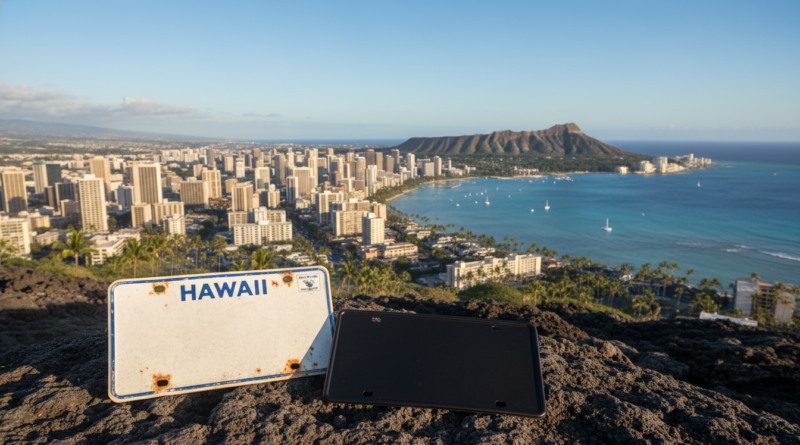
Starting January 1, 2027, House Bill 1510 will ban the use of covers or frames that obscure any portion of license plates on vehicles registered in Hawaii. The law targets decorative frames and tinted covers that make it difficult for traffic cameras and law enforcement to read plate numbers.
The measure has particular relevance for Oahu drivers, where traffic enforcement cameras along H-1 and in downtown Honolulu have struggled with partially obscured plates. Violators will face fines starting at $100 for first offenses.
Other bills in Green’s first signing included House Bill 2001, which establishes “Love My Library Day” as an annual celebration of Hawaii’s public libraries, and several measures addressing healthcare workforce shortages and environmental protection.
What’s Still on the Governor’s Desk
With more than 200 bills still awaiting Green’s signature or veto, several high-profile measures could significantly impact Oahu residents in the coming weeks.
Housing advocates are watching closely for action on bills that would streamline affordable housing development and provide additional protections for renters facing displacement. Given Oahu’s ongoing housing crisis, particularly in communities like Kalihi and Waipahu, these measures could offer relief to working families struggling with rising costs.
Transportation infrastructure bills are also in the queue, including funding for Oahu’s rail project and measures to improve bus service connectivity between urban Honolulu and the North Shore and Windward communities.
Environmental legislation pending the governor’s review includes stricter regulations on cesspools — a particular concern for neighborhoods near Keeaumoku Street and other urban areas where aging infrastructure threatens groundwater quality.
The governor’s office has indicated that climate resilience measures will receive priority attention, especially those addressing sea level rise impacts on coastal communities from Waikiki to Haleiwa.
Political Implications for 2028
Green’s early embrace of campaign finance reform through the corporate donation limits could resonate with voters ahead of his expected 2028 reelection campaign. The move positions him as willing to take on entrenched interests, though business groups have already signaled potential legal challenges.
“Governor Green is clearly staking out progressive territory early in this legislative cycle,” said Dr. Colin Moore, director of the Public Policy Center at the University of Hawaii. “The question is whether these reforms can survive court challenges and actually change how campaigns are funded in Hawaii.”
The corporate donation limits won’t take effect until January 2027, giving opponents time to mount constitutional challenges in federal court.
What Comes Next
Green has until July 15 to sign or veto the remaining bills from the 2026 session. Any bills left unsigned after the deadline automatically become law without his signature.
The governor’s office plans to announce additional bill signings weekly through July, with housing and transportation measures expected to receive attention in the coming rounds.
For Oahu residents, the next few weeks will determine whether key infrastructure investments, housing protections, and quality-of-life improvements make it across the finish line — or get left on the cutting room floor of state politics.
