HPD Names First Outside Police Chief Since 1932 — Meet David Lazar
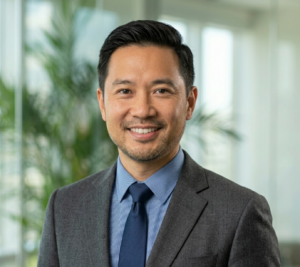
The Honolulu Police Commission made history Tuesday, selecting retired San Francisco Assistant Chief David Lazar as the city’s next police chief — breaking a 94-year tradition of promoting from within the ranks.
Lazar’s appointment marks the first time since 1932 that HPD will be led by an outsider, signaling the commission’s commitment to reform following years of federal oversight and community calls for change. The 33-year veteran of the San Francisco Police Department will officially take command in July, replacing interim Chief Rade Vanic.
“We needed fresh perspective and proven leadership from someone who understands modern policing challenges,” said Police Commission Chair Shannon Alivado during Tuesday’s meeting at Honolulu Hale. “Chief Lazar’s extensive experience with community policing and police reform makes him uniquely qualified to lead HPD into a new era.”
Reform Experience in San Francisco
Lazar spent more than three decades with SFPD, rising through the ranks while navigating the department through significant reforms. His tenure included overseeing implementation of federal consent decree requirements and managing community relations during high-profile incidents that tested police-community trust.
During his time as assistant chief, Lazar supervised patrol operations across San Francisco’s diverse neighborhoods and played a key role in the department’s efforts to address use-of-force policies and bias training. His experience comes as HPD continues working under a federal settlement agreement addressing constitutional violations.
The selection process, which began in January, drew criticism from some quarters who questioned whether an outsider could understand Hawaii’s unique cultural landscape. However, supporters argue that HPD needs leadership unburdened by the department’s internal culture.
Community and Union Reactions
The State of Hawaii Organization of Police Officers expressed cautious optimism about Lazar’s appointment while emphasizing the importance of understanding local officers’ concerns.
“We look forward to working with Chief Lazar and hope he’ll take time to understand the challenges our officers face daily,” said SHOPO President Robert Cavaco. “HPD has dedicated professionals who deserve leadership that supports them while serving our community.”
Community advocates who have pushed for police reform welcomed the historic selection. Native Hawaiian Legal Corporation executive director Mahealani Richardson said bringing in outside leadership was “long overdue” for meaningful change.
The commission interviewed six finalists, including three current HPD commanders. Sources familiar with the selection process said Lazar’s reform experience and ability to work with federal oversight agencies were decisive factors.
Challenges Ahead
Lazar inherits a department still operating under federal court supervision stemming from a 2015 settlement agreement over constitutional violations. The Department of Justice continues monitoring HPD’s compliance with reforms covering use of force, searches and seizures, and bias-free policing.
HPD also faces ongoing staffing shortages, with approximately 200 vacant positions across the 2,100-member force. Recruitment and retention have become critical issues as the department struggles to maintain adequate patrol coverage across Oahu’s diverse communities.
Budget constraints add another layer of complexity. Mayor Rick Blangiardi’s administration has pushed for efficiency improvements while community groups demand investments in alternative public safety approaches.
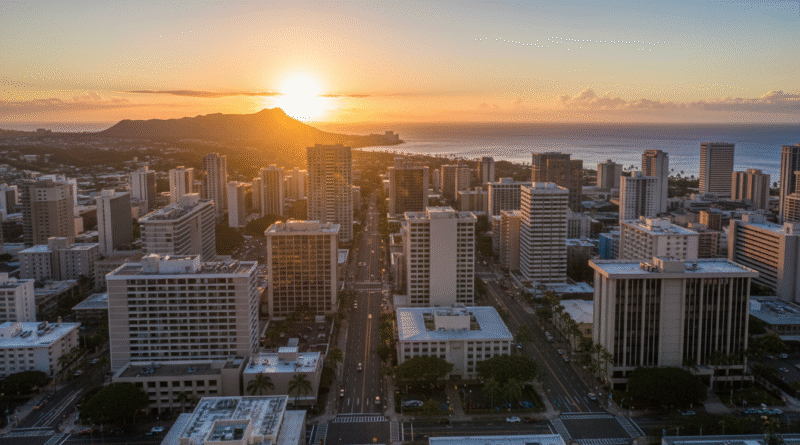
Lazar will also need to navigate Hawaii’s unique cultural dynamics, from understanding Native Hawaiian sovereignty issues to managing tourism-related policing challenges in Waikiki and other visitor destinations.
Looking Forward
The new chief’s first priorities will likely include meeting with community leaders across Oahu and conducting a comprehensive assessment of department operations. His appointment requires City Council confirmation, though approval is considered likely given the commission’s unanimous selection.
For Honolulu residents, Lazar’s appointment represents both opportunity and uncertainty. His reform experience could accelerate progress on long-standing community concerns about police accountability and transparency. However, questions remain about whether mainland policing approaches will translate effectively to Hawaii’s island environment.
The transition comes at a critical time for HPD’s relationship with the community it serves. Recent incidents and ongoing federal oversight have heightened scrutiny of police practices, making Lazar’s first months crucial for establishing credibility and direction.
As Hawaii’s capital prepares for new police leadership, the success of this historic appointment will largely depend on Lazar’s ability to balance reform imperatives with local realities — and whether the community embraces change led by someone from outside the islands.