Waikiki Aquarium Celebrates World Ocean Month With Beach Cleanups, Marine Science Programs, and Art Exhibits All June
The Waikiki Aquarium is diving deep into ocean conservation this June with a month-long celebration of World Ocean Month that blends education, art and community action. The iconic Kapiolani Park attraction has rolled out an extensive lineup of beach cleanups, marine science programs and rotating art exhibitions designed to engage both locals and visitors in protecting Hawaii’s precious marine ecosystem.
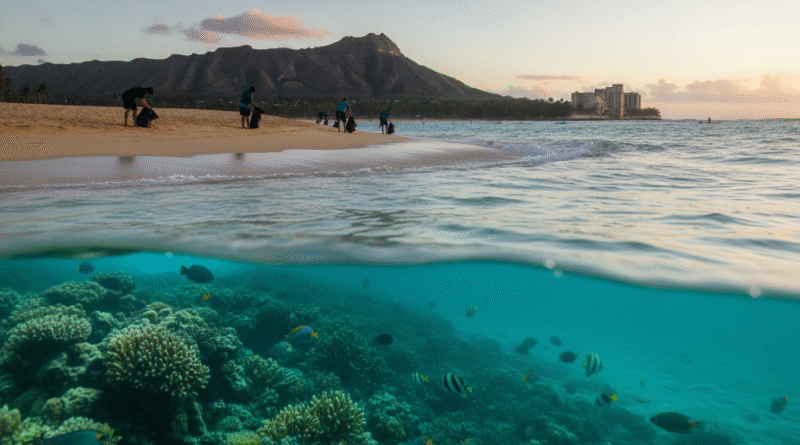
Running throughout June, the aquarium’s World Ocean Month programming kicks off with weekly Saturday beach cleanups at nearby Kuhio Beach. These community-led efforts, scheduled for 8 a.m. to 10 a.m., invite participants to help remove debris while learning about marine pollution’s impact on local reef systems.
“We’re seeing more families and visitors wanting to give back during their time in Hawaii,” said Dr. Sarah Chen, the aquarium’s education director. “These beach cleanups offer a hands-on way to make a real difference while connecting with our ocean environment.”
The aquarium has also expanded its popular “Reef Talk” series with special presentations every Tuesday evening in June. Marine biologists and local conservation experts will discuss topics ranging from coral restoration efforts around Oahu to the latest research on monk seal populations in Hawaiian waters.
Art Meets Conservation
Visual storytelling takes center stage with three rotating art exhibitions throughout the month. Local artists are showcasing works that highlight both the beauty and fragility of Hawaii’s marine life, with pieces ranging from traditional Hawaiian quilts featuring ocean motifs to contemporary installations made from collected beach debris.
The aquarium’s collaboration with the Honolulu Museum of Art has brought several large-scale installations to the facility’s entrance gallery. These pieces, created by Native Hawaiian artists, explore the connection between traditional wayfinding practices and modern ocean conservation efforts.
Family programming has been expanded with hands-on activities designed for keiki ages 5 to 12. Weekend workshops include creating art from recycled ocean plastics, learning about traditional Hawaiian fishing practices, and participating in simulated coral restoration projects using the aquarium’s touch tanks.
Conservation Messaging Hits Home
The timing of these programs carries special significance for Hawaii residents dealing with ongoing environmental challenges. Recent coral bleaching events around the islands have highlighted the urgent need for local conservation action, while increased tourism has put additional pressure on nearshore marine ecosystems.
The aquarium’s educational approach emphasizes solutions that visitors can implement both during their Hawaii stay and after returning home. Interactive displays demonstrate how everyday choices—from sunscreen selection to plastic consumption—directly impact ocean health.
Special emphasis is being placed on Hawaii’s unique position in global ocean conservation. The state’s location in the Pacific makes it both a critical research hub and a frontline in addressing marine pollution, particularly plastic debris flowing from Asia and North America.
Community Partnerships Expand Reach
Local organizations including Sustainable Coastlines Hawaii and the Surfrider Foundation are partnering with the aquarium to extend programming beyond Waikiki. Joint beach cleanups are scheduled at Ala Moana Beach Park and Sandy Beach, while educational booths will pop up at farmers markets in Kailua and Haleiwa.
The aquarium is also collaborating with several Waikiki hotels to offer guests discounted admission and special behind-the-scenes tours focused on conservation efforts. This partnership aims to reach the approximately 100,000 visitors who pass through Waikiki monthly during peak summer season.
Restaurant partnerships have introduced ocean-friendly dining options at nearby establishments, with participating venues highlighting sustainable seafood choices and eliminating single-use plastics during June.
Looking Ahead
While World Ocean Month officially wraps up at the end of June, aquarium officials say several programs will continue year-round based on community response. The Saturday beach cleanups have already gained enough regular participants to justify extending through the summer months.
For Honolulu residents, these programs offer accessible ways to engage with ocean conservation without traveling far from home. The aquarium’s location at the heart of Waikiki makes it a natural gathering point for both education and action.
The month-long celebration serves as both a call to action and a reminder of why Hawaii’s marine environment matters globally. As tourism continues to rebound and environmental pressures mount, initiatives like these help ensure that protecting our oceans remains a shared priority for residents and visitors alike.