Pan-Pacific Festival Celebrates 45th Year With Largest Parade Yet
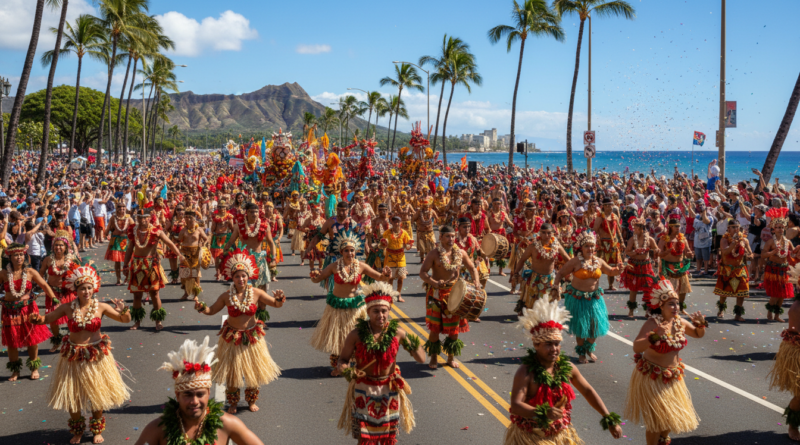
The annual Pan-Pacific Festival returned to Waikiki this weekend with its most spectacular celebration yet, drawing thousands of visitors and locals to the streets for three days of cultural performances, traditional crafts, and the largest parade in the festival’s 45-year history.
More than 3,000 performers from across the Pacific Rim took part in Saturday’s grand parade along Kalakaua Avenue, representing countries including Japan, Korea, Australia, Tahiti, and the Philippines. The procession stretched nearly two miles from Fort DeRussy to Kapiolani Park, featuring elaborate floats, traditional costumes, and live music that had spectators lining the sidewalks six deep.
“This year’s turnout exceeded all our expectations,” said festival director Keiko Tanaka. “We’ve never seen such enthusiasm from both participants and the community. It really shows how much people have missed coming together to celebrate our shared Pacific heritage.”
The festival, which began Friday and concluded Sunday, transformed the Royal Hawaiian Center and surrounding areas into a vibrant cultural marketplace. Artisans demonstrated traditional crafts including Japanese origami, Korean pottery, and Hawaiian kapa making, while food vendors offered everything from Korean barbecue to Tahitian poisson cru.
Cultural Performances Take Center Stage
The festival’s three performance stages hosted nearly 200 acts throughout the weekend. Highlights included a 50-member taiko drum ensemble from Osaka, traditional Maori warriors from New Zealand performing the haka, and local hula halau sharing ancient Hawaiian chants.
The Centerstage at the Royal Hawaiian Center drew the largest crowds, particularly for Saturday evening’s “Flames of the Pacific” fire dancing showcase. Performers from Hawaii, Samoa, and Fiji demonstrated traditional fire arts as the sun set over Waikiki Beach.
Sunday’s closing ceremony featured a collaborative performance where artists from all participating countries joined together for a musical tribute to ocean conservation, reflecting this year’s theme of “Protecting Our Pacific Waters.”
Economic Impact Felt Across Waikiki
Local businesses reported strong sales throughout the festival weekend, with many hotels reaching full capacity. The event, which is free to attend, traditionally brings significant economic benefits to the area.
Restaurant manager David Kim of a Kalakaua Avenue establishment noted the festival’s positive impact. “We’ve been preparing extra staff and menu items for months,” Kim said. “The festival brings people from all over the world, and many discover our neighborhood for the first time.”
The festival also provided opportunities for local vendors, with more than 100 small businesses participating in the cultural marketplace. Items ranged from handcrafted jewelry and artwork to specialty foods and traditional clothing.
Challenges and Safety Measures
Organizers worked closely with Honolulu Police Department and city officials to manage the increased crowds and traffic. Several streets remained closed to vehicles throughout the weekend, with shuttle services provided from remote parking areas.
Despite concerns about overcrowding, the festival proceeded without major incidents. Additional security personnel and medical stations were positioned throughout the event area, and organizers used social media to provide real-time updates about crowd levels at different venues.
Looking Ahead
The Pan-Pacific Festival’s success this year positions it as one of Hawaii’s premier cultural events, competing with established celebrations like the Merrie Monarch Festival and Aloha Festivals.
Festival organizers announced plans to expand next year’s event, potentially adding a fourth day and incorporating more Pacific Island nations. They’re also exploring partnerships with local schools to create educational programs that could extend the festival’s cultural impact year-round.
For Honolulu residents, the festival represents more than tourism revenue – it’s an annual reminder of the city’s unique position as a cultural crossroads of the Pacific. As the islands continue to grapple with questions about tourism’s impact on local communities, events like the Pan-Pacific Festival offer a model for celebrations that honor cultural traditions while bringing economic benefits to local businesses and artists.
Next year’s festival is already scheduled for the first weekend of June, with organizers promising even more opportunities for cultural exchange and community participation in what has become Waikiki’s largest annual celebration of Pacific Rim heritage.