
Farm-to-Table Movement Grows as Waialua Farmers Launch Direct Restaurant Partnerships
A growing network of Waialua farmers is revolutionizing how Honolulu restaurants source their ingredients, launching direct partnerships that are reshaping the island’s farm-to-table movement. The North Shore agricultural community, long known for its coffee farms and surf culture, is now becoming a crucial supplier for some of Oahu’s most acclaimed kitchens.
Three family-owned farms in the Waialua area have formed collaborative relationships with more than a dozen restaurants across Honolulu, from upscale establishments in Kakaako to neighborhood gems in Kaimuki. The partnerships eliminate traditional distributors, allowing chefs to work directly with growers to customize crops and ensure peak freshness.
Makaha Organic Farm, Sunset Valley Produce, and Pua’a Pig Farm have been leading the charge, coordinating weekly deliveries that bring North Shore-grown vegetables, herbs, and grass-fed beef straight to restaurant kitchens. The farms began collaborating informally two years ago, but recently formalized their partnership to better serve the growing demand.
“We realized that by working together, we could offer restaurants a more comprehensive selection while maintaining the personal relationships that make this model work,” said Maria Santos, co-owner of Makaha Organic Farm. “Chefs aren’t just buying our produce — they’re planning their menus around what we’re growing.”
The partnership has attracted notable restaurants including The Pig and the Lady in Chinatown, Mud Hen Water in Kalihi-Palama, and newer establishments like Senia in Kakaako. These restaurants are building their seasonal menus around the farms’ harvest schedules, creating a more dynamic dining scene that reflects Hawaii’s agricultural rhythms.
Beyond Traditional Crops
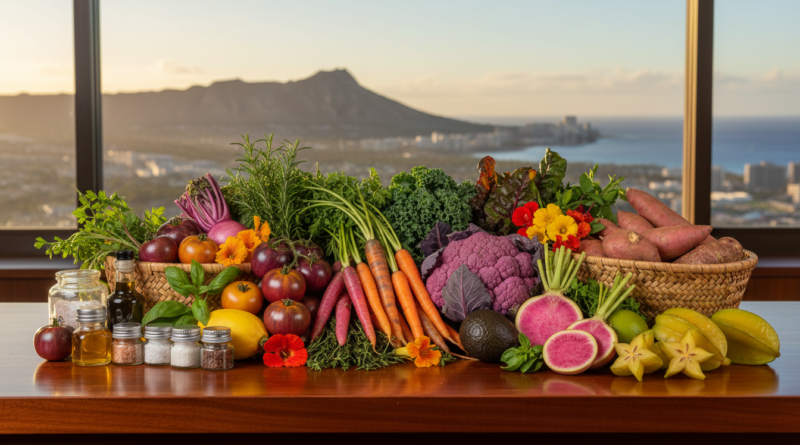
The Waialua farms are experimenting with heritage varieties and specialty crops that would typically be imported. Recent harvests have included Okinawan purple sweet potatoes, Hawaiian chili peppers, and indigenous greens like purslane and lamb’s quarters.
Sunset Valley Produce has dedicated two acres to growing specific herbs requested by local chefs, including hard-to-find varieties like shiso, Thai basil, and lemon verbena. The farm now supplies fresh turmeric to three ramen shops and grows custom lettuce blends for salad-focused restaurants.
The economic impact extends beyond individual farms. Local food distributors report increased interest from mainland buyers wanting to support Hawaii-grown products, while the partnerships have created new jobs in both farming and logistics.
Restaurant owners say the direct relationships have improved both their food quality and their connection to the local community. Several establishments now feature “farm boards” that highlight which ingredients came from their Waialua partners, educating diners about local agriculture.
Challenges and Growth
The movement faces typical island challenges, including limited transportation options and competition for agricultural land. The recent closure of two longtime farms in Central Oahu has increased pressure on remaining operations to meet demand.
Weather remains the biggest wildcard. Last month’s unexpected heavy rains delayed deliveries for a week, forcing restaurants to temporarily adjust their menus. The farmers are working on greenhouse expansions to provide more consistent harvests year-round.
Despite these challenges, the partnership is expanding. Four additional farms between Wahiawa and the North Shore are considering joining the collaborative, potentially doubling the variety of locally-sourced ingredients available to Honolulu restaurants.
The University of Hawaii’s College of Tropical Agriculture has taken notice, launching a pilot program to help coordinate logistics between farms and restaurants. The program aims to create a digital platform where chefs can place orders directly and track harvest schedules.
For Honolulu diners, this movement represents more than trendy farm-to-table marketing. It’s creating a more sustainable local food system while supporting rural communities that have struggled economically as traditional agriculture declined.
The partnerships also promise more adventurous menus as restaurants gain access to unique varieties that don’t travel well or aren’t available through conventional suppliers. Several participating chefs are already planning special dinners that will showcase single-farm ingredients.
As more restaurants seek to differentiate themselves in Honolulu’s competitive dining scene, these direct farm partnerships offer authenticity that resonates with both locals and visitors seeking genuine Hawaii food experiences. The success of the Waialua collaboration may serve as a model for similar partnerships across the Hawaiian Islands.