Honolulu Mayor Proposes $3.5 Billion City Budget With Focus on Infrastructure
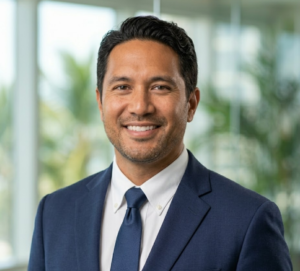
Mayor Rick Blangiardi unveiled his proposed $3.5 billion operating budget for fiscal year 2025 Wednesday, emphasizing critical infrastructure investments aimed at addressing Oahu’s aging roads, water systems, and public facilities.
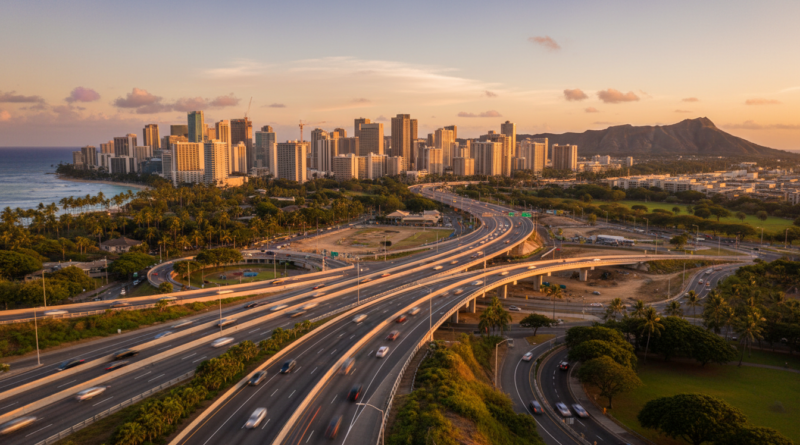
The spending plan represents a 4.2% increase from the current year’s budget, with the mayor citing rising costs for materials, labor, and essential city services. Nearly $800 million is earmarked for capital improvement projects, including road resurfacing across neighborhoods from Kalihi to Hawaii Kai and upgrades to the city’s decades-old water infrastructure.
“Our island’s infrastructure is showing its age, and we can’t afford to wait any longer,” Blangiardi said during his budget presentation at Honolulu Hale. “From the potholes on Nimitz Highway to the water main breaks in Manoa, our residents deserve reliable city services.”
Major Infrastructure Priorities
The proposed budget allocates $215 million specifically for road maintenance and reconstruction, targeting high-traffic corridors including portions of King Street, Kapahulu Avenue, and University Avenue. City officials identified more than 300 miles of roadway in need of immediate attention across the island.
Water system improvements would receive $180 million, addressing chronic issues that have plagued neighborhoods like Kaimuki and Palolo Valley. The funding includes replacement of aging pipes, some dating back to the 1940s, and expansion of storage capacity to meet growing demand.
Public building maintenance, long deferred due to budget constraints, would see $125 million in new investment. This includes renovations to community centers in Waipahu, Pearl City, and Kalihi, as well as critical repairs to fire stations and police facilities.
Property Tax Impact
To fund the increased spending, Blangiardi’s budget includes a modest property tax increase for most homeowners. The proposed rates would add approximately $15 monthly to the average single-family home tax bill, though officials stress the exact impact varies by neighborhood and property value.
The mayor defended the tax increase as necessary to maintain essential services while investing in long-term infrastructure needs. Alternative funding sources, including federal grants and bond financing, will cover roughly 60% of the capital improvement costs.
City Council Budget Committee Chair Calvin Say acknowledged the challenging balance between fiscal responsibility and infrastructure needs. “We’re seeing the consequences of years of deferred maintenance,” Say noted. “The question is whether we address these issues now or pay much more later.”
Department Allocations
The Honolulu Police Department would receive $321 million under the proposal, including funding for 25 additional officers and upgraded equipment. Fire and emergency medical services are slated for $198 million, supporting expanded paramedic coverage in West Oahu communities.
Parks and Recreation would see $89 million for facility maintenance and youth programs, with specific allocations for beach park improvements from Hanauma Bay to Sunset Beach. The Department of Environmental Services, responsible for waste collection and processing, would receive $245 million to address equipment needs and expand recycling programs.
Transit operations, including TheBus and Handi-Van services, account for $287 million of the budget. This includes preparation for eventual rail integration, though those costs remain separate from the city’s operating budget.
Council Review Process
The Honolulu City Council now begins its review process, with public hearings scheduled throughout April and May. Council members can propose amendments before the final budget vote, required by law before June 30.
Several council members have already signaled concerns about the property tax increase, particularly its impact on seniors and fixed-income residents. Budget Committee meetings will examine whether alternative revenue sources could reduce the tax burden while maintaining infrastructure funding.
Public testimony sessions are planned for each district, giving residents direct input on spending priorities. The schedule includes evening meetings in communities from Wahiawa to Waimanalo to accommodate working families.
For Honolulu residents, this budget represents a critical decision point about the city’s future. Years of deferred maintenance have left visible impacts across neighborhoods, from deteriorating roads to aging parks and facilities. The proposed investments aim to address these longstanding issues while positioning the city for sustainable growth.
The budget process offers residents their primary opportunity to influence city priorities through public testimony and engagement with council members. With infrastructure needs affecting daily life from commute times to water reliability, the stakes for getting this budget right extend well beyond City Hall.