State Clears $89.4M in Honolulu Rail Reimbursements, Giving HART Fresh Financial Footing
The Honolulu Authority for Rapid Transportation has received a crucial financial lifeline with the state approving $89.4 million in long-disputed reimbursements, potentially clearing the way for accelerated construction on the rail project’s final segment through downtown Honolulu.
The reimbursement approval, announced Tuesday, resolves years of contentious funding disputes between HART and state agencies. The funds cover previously questioned expenses dating back to 2019, including project management costs and construction materials that had been held up in bureaucratic review.
“This clears a significant hurdle for us,” said HART Board Chair Colleen Hanabusa. “We can now move forward with confidence knowing our financial foundation is solid as we tackle the most complex portion of the rail line.”
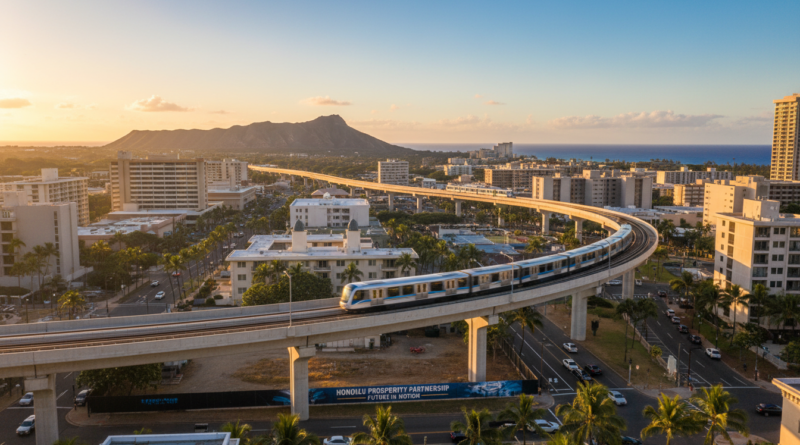
The approval comes at a critical juncture for the troubled $12.4 billion project, which has faced years of cost overruns and delays. HART is currently working on Segment 3, the technically challenging downtown stretch that will connect Kalihi to Ala Moana Center, passing through Kakaako’s rapidly developing corridor.
Federal Funding Implications
Perhaps most significantly, the state’s approval could unlock additional federal matching funds that have been on hold pending resolution of the reimbursement disputes. The Federal Transit Administration typically requires clear financial accounting before releasing additional grants.
HART officials estimate the cleared reimbursements could trigger release of up to $200 million in federal funds already allocated but not yet distributed. This would provide substantial breathing room for the project’s stretched budget and potentially accelerate the timeline for completing the downtown segment.
The downtown portion presents unique engineering challenges, including construction around existing buildings in the dense urban core and integration with planned transit-oriented development projects in Kakaako. Several high-rise residential towers are being designed with direct rail station access in mind.
Community Impact
For residents and businesses along the route, the financial clarity provides hope for more predictable construction timelines. Downtown workers have endured years of construction disruption, with some businesses reporting significant revenue losses due to blocked access and noise.
“We’ve been planning our business operations around this uncertainty for too long,” said Maria Santos, owner of a small restaurant near the planned Downtown station. “If this means they can finally give us realistic completion dates, that would be huge for our planning.”
The reimbursement approval also has broader implications for taxpayers across Oahu. The rail project is funded through a combination of federal grants, state contributions, and the county’s general excise tax surcharge, which is set to continue through 2030.
With firmer financial footing, HART may be able to avoid requesting additional local funding sources, though officials caution that cost pressures remain significant. Construction material prices have risen sharply since the project began, and labor costs continue to climb in Hawaii’s tight market.
Construction Timeline
The financial resolution comes as HART prepares to begin the most visible phase of downtown construction. Work on the elevated guideway through Kakaako is expected to intensify over the next 18 months, with major impacts on traffic flow along Ala Moana Boulevard and Queen Street.
Rail officials say the improved cash flow will allow them to maintain multiple construction crews working simultaneously, rather than having to sequence work based on available funds. This could potentially shave months off the completion timeline.
The project’s troubled history includes multiple contractor changes, design revisions, and funding crises. The original completion date of 2020 has been pushed back repeatedly, with current estimates suggesting service to downtown won’t begin until 2031 at the earliest.
Looking Ahead
While the reimbursement approval provides immediate relief, HART still faces significant challenges in completing the rail project. The agency must navigate complex utility relocations downtown, coordinate with multiple city and state agencies, and manage construction impacts in one of Hawaii’s busiest commercial districts.
The cleared funding also positions HART to potentially accelerate planning for future phases, including a proposed extension to the University of Hawaii at Manoa campus. However, officials emphasize their current focus remains on completing the approved route to Ala Moana Center.
For Honolulu residents, the financial milestone represents progress on a project that has dominated local politics for over a decade. Whether the improved funding situation translates to smoother construction and earlier completion remains to be seen, but the cleared reimbursements remove a major obstacle that has hindered progress for years.