Waikiki Trolley Steps In After ANA Express Bus Ends — What Visitors and Commuters Need to Know
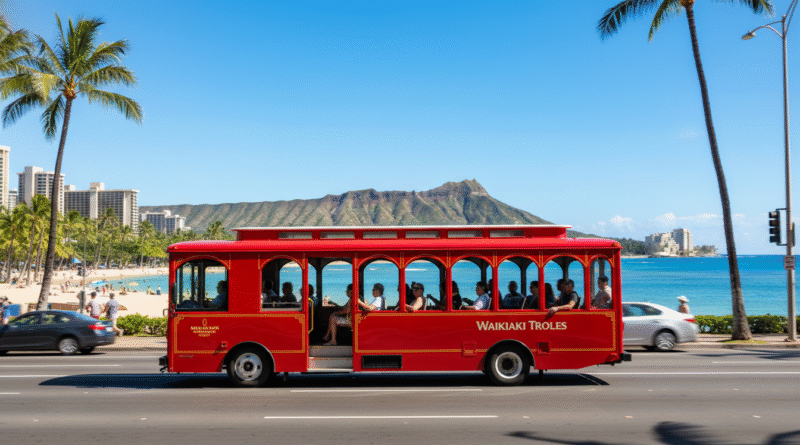
The sudden closure of ANA Express Bus service on May 31 left thousands of Waikiki visitors and local workers scrambling for transportation options, but the Waikiki Trolley quickly stepped up to fill the void with expanded service that launched just one day later.
The ANA Express Bus, which had provided crucial connections between Daniel K. Inouye International Airport and major Waikiki hotels for years, ceased operations without warning at the end of May. The service had been a reliable lifeline for tourists avoiding expensive taxi rides and locals commuting to hospitality jobs along the strip.
Recognizing the immediate need, Waikiki Trolley expanded its existing operations on June 1, rolling out new multi-route service that covers not just hotels and beaches, but also extends to downtown Honolulu and key shopping districts.
New Routes Fill the Gap
The enhanced Waikiki Trolley system now operates several distinct routes designed to serve both tourists and local commuters. The new service includes connections between the airport and major Waikiki hotels, filling the most critical gap left by ANA Express.
Additional routes now link popular tourist destinations like Ala Moana Center, the International Market Place, and Diamond Head with downtown Honolulu business district. The trolley system also provides service to local beaches beyond Waikiki, including stops near Keeaumoku Street and the Ward Village area.
“We saw an immediate opportunity to serve both our visitor community and local residents who depend on reliable public transit options,” said James Kokubun, a transportation analyst with the Hawaii Tourism Authority. “The trolley expansion helps maintain the connectivity that keeps our tourism economy flowing smoothly.”
The timing proved crucial as summer tourist season kicked into high gear. Waikiki hotels reported that guests had been asking about transportation alternatives almost immediately after the ANA Express closure was announced.
What’s Different for Riders
Unlike the ANA Express Bus, which operated on a more limited schedule with fewer stops, the expanded Waikiki Trolley system offers more frequent service throughout the day. The trolleys run on shorter intervals, typically every 15-20 minutes during peak hours.
The fare structure differs as well. While ANA Express charged a flat rate for airport transfers, the trolley operates on a day-pass system that allows unlimited rides across all routes. This change benefits tourists planning to use public transit for multiple trips during their stay.
For local workers, the expanded service means new commuting options, particularly for those employed in Waikiki’s hotels and restaurants who live in other parts of Honolulu. The downtown connections are especially valuable for workers traveling between different job sites.
Visitor Impact and Local Response
The transition comes during peak summer travel season, when Waikiki sees some of its highest visitor volumes. Hotel concierges report that guests have adapted quickly to the new system, though some initially expressed confusion about the route changes.
Local business owners along the new routes have welcomed the increased foot traffic. Shop managers in downtown Honolulu noted that the enhanced trolley connections could help bridge the gap between tourist areas and local business districts that have struggled with reduced foot traffic since the pandemic.
The expansion also addresses long-standing complaints from Oahu residents about limited public transit options connecting different parts of the island. While TheBus provides comprehensive coverage, the trolley’s tourist-friendly schedule and route design makes it more accessible for visitors unfamiliar with local transit systems.
Looking Ahead
Waikiki Trolley officials indicate that the current expanded service is being evaluated for permanent implementation based on ridership data and community feedback. The company is monitoring passenger volumes and route efficiency to determine which services provide the most value.
For Honolulu residents and visitors, the transition represents more than just a service swap. The expanded trolley network could reshape how people move around the island, potentially reducing traffic congestion and providing more sustainable transportation options for both tourism and daily commuting needs.
As the summer season progresses, the success of this rapid transition will likely influence future public transit planning decisions across Oahu, especially as the city continues to grapple with traffic congestion and the environmental impact of tourism-related transportation.
