You Can Now See Skyline Rail Columns Rising Along Nimitz Highway — Segment 3 Construction Is Visible
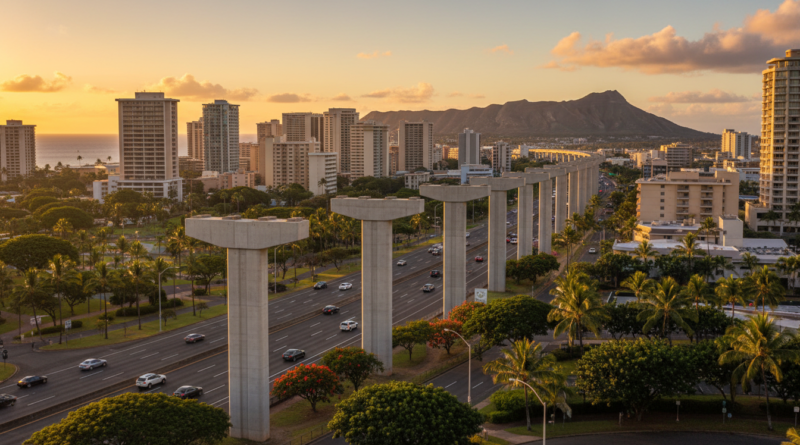
After years of planning and underground preparation, Honolulu’s rail project is finally showing its face above ground. Commuters traveling along Nimitz Highway and Dillingham Boulevard can now see the first concrete columns of the Skyline rail system’s Segment 3 rising from the earth, marking a significant milestone in the long-awaited transit project.
The towering structures, which will eventually support the elevated guideway connecting downtown Honolulu to the existing West Oahu line, represent the most visible progress residents have seen on this portion of the project since construction began. These columns are the foundation of what will become a 4.1-mile extension through some of Oahu’s most congested corridors.
“It’s exciting to finally see something tangible happening,” said Maria Santos, a Kalihi resident who commutes downtown daily. “For so long, it felt like this project was just talk and traffic disruptions. Now we can actually see our tax dollars at work.”
Construction Milestones Mark Progress
The visible columns represent months of foundational work that had been happening largely out of sight. Construction crews have been busy installing utilities, preparing roadbeds, and laying the groundwork for the elevated structure that will carry trains 30 feet above street level.
According to the Honolulu Authority for Rapid Transportation, the first above-ground guideway segments are expected to be installed in the first quarter of 2026. This timeline puts the project on track for its revised completion date, with passenger service anticipated to begin in 2031.
The current construction phase focuses on the most challenging portion of the route, which threads through Kalihi, the airport area, and downtown Honolulu. Engineers must navigate around existing buildings, utilities, and the busy Honolulu Harbor operations while maintaining traffic flow on these critical arteries.
Community Impact and Traffic Considerations
While the rising columns signal progress, they also mean continued traffic impacts for residents and visitors. Nimitz Highway, already a notorious bottleneck during rush hours, will see ongoing lane restrictions and periodic closures as construction advances.
The project will ultimately include nine stations along Segment 3, with stops planned for Kalihi, the airport, and several downtown locations including a connection to the existing bus transit center. Each station requires its own complex construction process, from foundation work to platform installation.
Local businesses along the construction corridor have reported mixed reactions to the ongoing work. While some struggle with reduced foot traffic and parking challenges, others anticipate the economic benefits that rail connectivity could bring to their neighborhoods.
Looking Ahead to Full System Operation
The completion of Segment 3 will connect the West Oahu portion of the rail line, which has been operational for testing since 2023, with Honolulu’s urban core. This connection is crucial for the system to achieve its intended purpose of reducing traffic congestion across the island’s most traveled corridors.
When fully operational, the Skyline system will span 20 miles from East Kapolei to Ala Moana Center, with 21 stations serving major residential, commercial, and employment centers. The system is designed to carry up to 116,000 passengers daily, potentially removing thousands of cars from Oahu’s roadways.
The rail project has faced numerous challenges over its decades-long development, including cost overruns, construction delays, and community concerns. The current budget stands at approximately $12.4 billion, making it one of the most expensive public works projects in Hawaii’s history.
For Honolulu residents who have watched this project evolve through multiple administrations and countless delays, the visible columns represent more than just construction progress. They’re a sign that the long-promised relief from Oahu’s legendary traffic jams may finally be within reach.
As construction continues, HART officials encourage residents to stay informed about traffic impacts and construction schedules through their website and community meetings. The authority also provides regular photo updates showing construction progress, helping residents track the transformation of their city’s transportation landscape.
With Segment 3’s completion still several years away, these rising columns serve as a daily reminder of Honolulu’s transportation future taking shape, one concrete pillar at a time.