Fort Street Mall Could Get Bigger: Council Weighs Downtown Pedestrian Zone Expansion
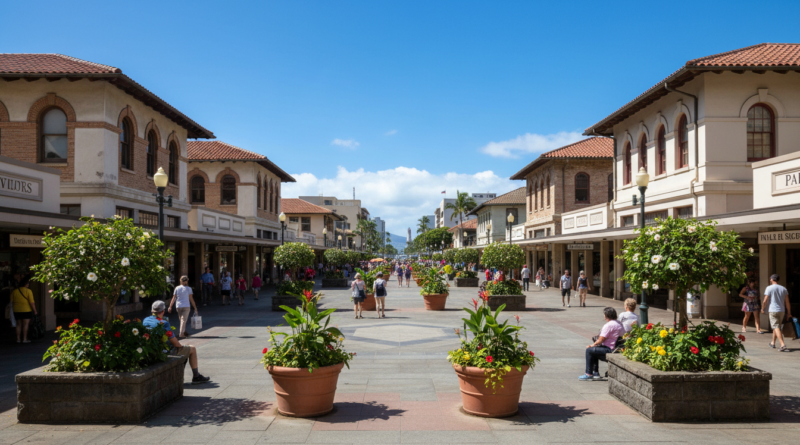
The Honolulu City Council is weighing a proposal that could significantly expand the Fort Street Mall’s pedestrian-only zone, potentially transforming several more blocks of downtown Honolulu into car-free spaces dedicated to foot traffic and street vendors.
The proposal, introduced by Councilmember Tommy Waters, would extend the current pedestrian mall from its existing boundaries between King and Queen streets to include portions of Merchant Street and additional cross streets. The expansion could more than double the size of the current pedestrian zone, creating what supporters call a “true downtown walking district.”
“We’re looking at creating a vibrant, walkable core that brings people back to downtown,” Waters said during Wednesday’s council meeting. “The Fort Street Mall has been successful, but it’s isolated. This expansion would create the critical mass needed to really activate our urban center.”
The current Fort Street Mall, established in 1969, spans four blocks and has served as a central gathering place for downtown workers, tourists, and local vendors. The proposed expansion would incorporate parts of Merchant Street between Fort and Alakea streets, along with select cross streets that currently allow limited vehicle access.
Business Community Split on Proposal
Local business owners are divided on the expansion plans. Some see opportunity in increased foot traffic and the potential for outdoor dining and retail expansion. Others worry about delivery access and the impact on customers who drive to downtown businesses.
“More pedestrians means more potential customers walking past our door,” said Maria Santos, owner of Downtown Deli on Fort Street. “But we need to make sure delivery trucks can still reach us and that parking isn’t pushed so far away that people stop coming altogether.”
The Downtown Neighborhood Board has scheduled a special meeting for next month to gather community input on the proposal. Board chair Robert Chen noted that any expansion would need to balance pedestrian access with the practical needs of businesses and residents.
The proposal comes as part of broader downtown revitalization efforts that have gained momentum following the pandemic. With many office workers still working remotely, city officials are looking for ways to bring life back to Honolulu’s urban core.
Technical Challenges and Timelines
The expansion would require significant infrastructure changes, including rerouting traffic patterns and potentially relocating some bus stops. The Department of Transportation Services is conducting a feasibility study to address concerns about emergency vehicle access and waste collection.
City planners estimate the project could cost between $2.5 million and $4 million, primarily for street improvements, new lighting, and landscaping. The timeline would likely stretch over two to three years if approved, with construction potentially beginning in late 2027.
The proposal also includes provisions for temporary event closures that could extend the pedestrian zone during festivals, farmers markets, and other community gatherings. This flexible approach aims to test expanded boundaries before making permanent changes.
Learning from Other Cities
Council members pointed to successful pedestrian mall expansions in cities like Portland and San Antonio as models for Honolulu’s approach. However, they also acknowledged that downtown Honolulu faces unique challenges, including its role as a major transit hub and the needs of its growing residential population.
The expansion would need to coordinate with planned improvements to the downtown transit center and ongoing development projects in the area. City officials say they’re committed to ensuring that any changes enhance rather than complicate downtown’s transportation network.
Environmental advocates have praised the proposal as a step toward reducing vehicle emissions in the urban core while creating more green space for downtown residents and workers.
Next Steps
The council is expected to vote on whether to advance the proposal to the planning commission by the end of May. If approved there, the measure would return to the council for final approval, potentially by late summer.
Before any final decisions, the city will host at least three public hearings to gather input from residents, business owners, and other stakeholders. The first hearing is tentatively scheduled for early May at Honolulu Hale.
For downtown Honolulu residents and workers, the proposal represents a significant shift toward prioritizing pedestrians over vehicles in the urban core. Whether that vision aligns with community needs and business realities will largely depend on the feedback gathered over the coming months.
The Fort Street Mall expansion proposal reflects broader questions about downtown Honolulu’s future as the city balances urban density with livability, economic development with community space, and tradition with transformation.