
Kakaako’s Next Wave: Two Major Mixed-Use Projects With 1,800+ Units Set to Break Ground in 2026
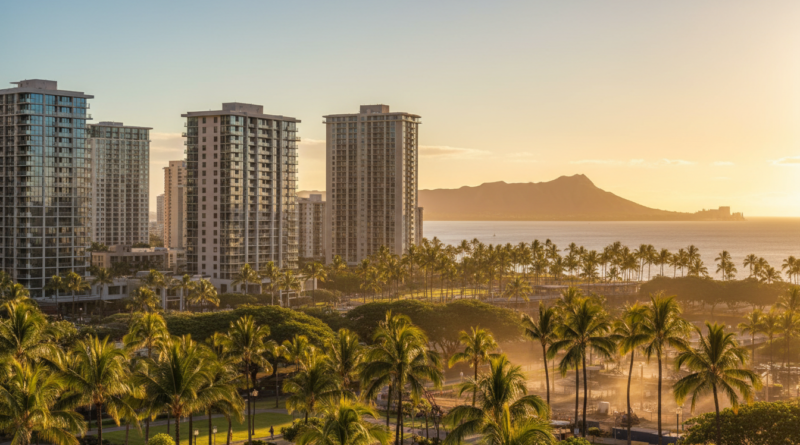
Two massive mixed-use developments totaling more than 1,800 residential units are set to transform Kakaako’s skyline and housing landscape when construction begins in 2026, marking what could be the neighborhood’s most significant development wave since the Hawaii Community Development Authority first began reshaping the urban core.
The Kahuina project will deliver 861 units with 60% designated as affordable housing, while the Waiakoa development plans to add 1,025 units with 60% reserved for workforce housing. Together, these projects represent the kind of large-scale residential development that housing advocates have long called essential for addressing Honolulu’s chronic shortage of affordable homes.
“This is exactly the type of transit-oriented development we need to see more of in urban Honolulu,” said Maria Santos, executive director of the Affordable Housing Coalition of Hawaii. “When you can deliver over 1,100 affordable and workforce housing units within walking distance of rail stations, you’re addressing both our housing crisis and our transportation challenges simultaneously.”
Strategic Location Meets Housing Demand
Both developments will rise in Kakaako’s rapidly evolving landscape, positioned to take advantage of the neighborhood’s proximity to downtown Honolulu and the planned Honolulu Rail Transit system. The area has already seen significant transformation with projects like Ward Village, but these new developments signal a shift toward more affordable options in the urban core.
Kahuina’s focus on affordable housing represents a departure from many of Kakaako’s recent luxury-focused projects. With 517 of its 861 units designated as affordable, the development aims to provide homeownership opportunities for families earning 80-120% of area median income.
Waiakoa takes a similar approach with its workforce housing component, targeting essential workers like teachers, nurses, and first responders who have been increasingly priced out of urban Honolulu neighborhoods. The project’s 615 workforce units will be available to households earning up to 140% of area median income.
Infrastructure and Community Concerns
The simultaneous development of nearly 2,000 units raises questions about Kakaako’s infrastructure capacity and community resources. The neighborhood has already experienced growing pains as new towers have added thousands of residents to an area that was largely industrial just two decades ago.
Traffic patterns, school capacity, and utility systems will all face increased pressure from the population surge. However, proponents argue that the concentration of housing near transit lines and job centers represents smart growth principles that can reduce car dependency.
The projects also include ground-floor retail spaces designed to activate street life and provide neighborhood services. Both developments incorporate green building standards and community gathering spaces as part of their master plans.
Market Timing and Economic Impact
The 2026 groundbreaking timeline positions both projects to capitalize on expected improvements in construction costs and labor availability. The local construction industry has faced significant challenges with material costs and worker shortages in recent years, but industry observers expect conditions to stabilize by the mid-decade mark.
The combined economic impact during construction is projected to create thousands of jobs and generate significant tax revenue for the city. Long-term, the projects will add to Kakaako’s residential tax base while providing housing options across multiple income levels.
Pre-sales and marketing for both developments are expected to begin in late 2025, with move-ins targeted for 2028-2029. The projects will need to navigate the city’s permitting process and secure final financing, but both have already cleared major regulatory hurdles.
Shaping Kakaako’s Future
These developments represent a maturation of Kakaako’s evolution from industrial district to residential neighborhood. Unlike earlier waves of development that focused primarily on luxury condominiums, Kahuina and Waiakoa demonstrate how public-private partnerships can deliver mixed-income housing in high-demand urban areas.
The success of these projects could establish a template for similar developments throughout urban Honolulu, where land costs and regulatory constraints have traditionally made affordable housing development challenging.
For Honolulu residents watching housing costs continue to climb, these projects offer hope that large-scale solutions are possible. Whether they can be delivered on schedule and at the promised price points will be closely watched by policymakers, housing advocates, and potential residents alike.
The next two years will be critical as both projects move through final design phases and secure construction financing. If successful, they could mark the beginning of a new chapter in Kakaako’s transformation – one that balances urban density with housing affordability in Hawaii’s most expensive real estate market.