
After 40 Years, Hanauma Bay’s Education Program Gets a New Steward — and a Hawaiian Name
A new chapter begins this month at one of Oahu’s most beloved marine sanctuaries as the Hui Mālama O Ke Kai Foundation officially takes over Hanauma Bay’s education program, marking the end of nearly four decades of stewardship by the University of Hawaii Sea Grant College Program.
The transition brings more than just a change in management — it represents a cultural shift toward centering Native Hawaiian perspectives in marine conservation education. The program, now renamed “Papahana Hanauma,” will emphasize Hawaiian language, traditional ecological knowledge, and Indigenous approaches to reef stewardship.
“This is about reconnecting people with the traditional Hawaiian values of malama ‘aina — caring for the land and sea,” said Dr. Keali’i Reichel, executive director of Hui Mālama O Ke Kai Foundation. “For too long, our stories and our science have been secondary voices in conversations about our own waters.”
The University of Hawaii Sea Grant has operated Hanauma Bay’s visitor education program since 1986, developing the mandatory orientation video and educational materials that millions of tourists and residents have experienced over the years. The program was designed to protect the bay’s fragile coral reef ecosystem by educating visitors about responsible snorkeling practices and marine conservation.
However, critics have long argued that the program needed to better reflect Hawaii’s Indigenous knowledge systems and cultural protocols. The city’s Department of Parks and Recreation solicited new proposals last year as part of a broader effort to indigenize programming at city-managed natural areas.
A Hawaiian-Centered Approach
Hui Mālama O Ke Kai, founded in 2018, brings extensive experience in community-based marine conservation and Hawaiian cultural education. The nonprofit has worked throughout the Hawaiian Islands on reef restoration projects, traditional fishing practices, and youth education programs that blend Western science with ancestral knowledge.
Under the new “Papahana Hanauma” program, visitors will learn about the bay through both scientific and cultural lenses. The updated orientation will include Hawaiian place names, traditional stories about the area’s formation, and Indigenous conservation practices that sustained these reefs for centuries before Western contact.
“We’re not throwing out the science — we’re adding the stories and the cultural protocols that make this place sacred,” explained program coordinator Nalani Brun, a Native Hawaiian marine biologist who previously worked with the state Division of Aquatic Resources.
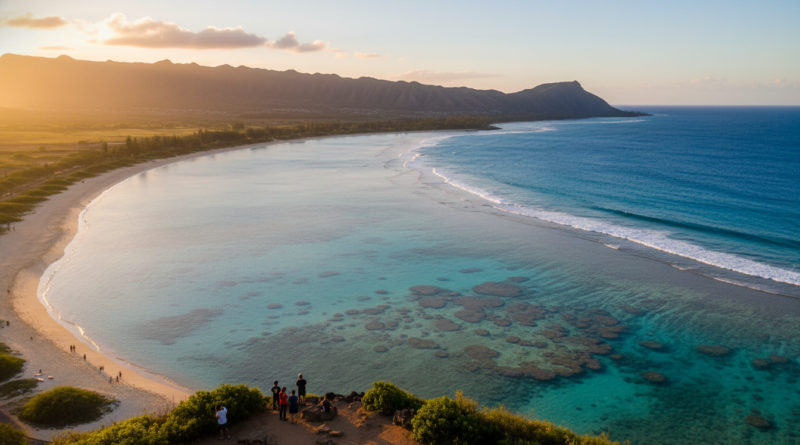
The bay, known in Hawaiian as “Hanauma” meaning “curved bay,” was formed within a volcanic cone thousands of years ago. Ancient Hawaiians recognized it as a spawning ground for fish and practiced traditional methods of reef management that allowed marine life to flourish.
Preserving Popular Destination
Hanauma Bay Nature Preserve attracts approximately 1 million visitors annually, making it one of Oahu’s most popular snorkeling destinations. The shallow, protected waters offer easy access to tropical fish and coral formations, but the bay’s popularity has also created ongoing conservation challenges.
Recent years have seen increased coral bleaching events, sunscreen pollution, and pressure from overtourism — issues that the new education program aims to address through culturally grounded conservation messaging.
The program transition comes as Hawaii grapples more broadly with questions about tourism management and Indigenous rights. From Mauna Kea to Haleakala, communities across the islands are asserting greater control over how their sacred places are managed and interpreted for visitors.
City Parks and Recreation Director Michele Nekota emphasized that the change reflects the administration’s commitment to supporting Native Hawaiian organizations and perspectives in managing culturally significant sites.
“This partnership allows us to honor the cultural significance of Hanauma Bay while maintaining the world-class conservation education that visitors expect,” Nekota said in a statement.
What Visitors Can Expect
The new program officially launches May 1, with an updated orientation video featuring Native Hawaiian voices and traditional knowledge alongside marine science. Educational materials will be offered in both English and Hawaiian, and docent-led programs will incorporate traditional practices like ho’oponopono (conflict resolution) applied to environmental stewardship.
Admission fees and basic visitor protocols remain unchanged, but the foundation plans to expand programming over time to include community volunteer days, traditional navigation workshops, and partnerships with local schools to bring more Hawaii students to the bay.
For Honolulu residents, the change represents an opportunity to reconnect with a treasured local spot through fresh eyes — ones that honor both the scientific understanding that has protected the bay and the cultural wisdom that sustained it for generations before tourism arrived.
As Hawaii continues to navigate the complex relationship between conservation, culture, and tourism, Hanauma Bay’s new education program may serve as a model for other sites across the islands seeking to balance preservation with cultural authenticity.