State Clears $89.4 Million for Honolulu Rail Reimbursements as Segment 3 Construction Advances
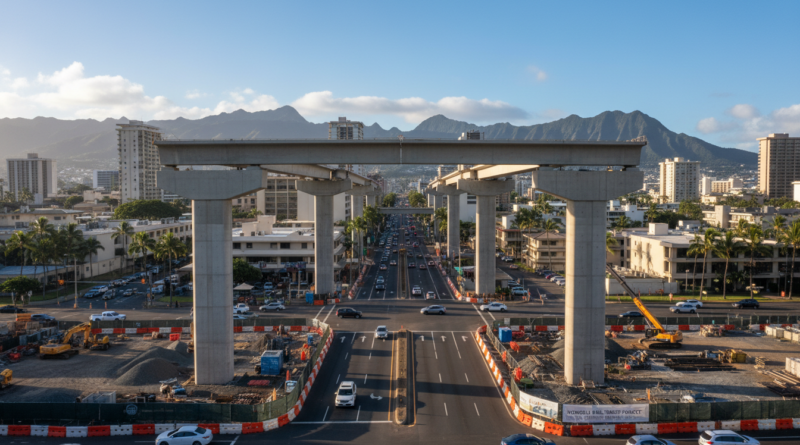
The Hawaii State Department of Transportation has approved $89.4 million in reimbursements to the Honolulu Authority for Rapid Transportation for the quarter ending March 31, marking another significant financial milestone for the embattled rail project. The funding comes as construction crews celebrate a symbolic victory with the completion of the first guideway column for Segment 3 in the Iwilei area.
However, the latest reimbursement approval arrives amid growing concerns about design delays that could push the project’s anticipated 2031 completion date even further into the future. HART officials acknowledge they’re working through technical challenges that have slowed progress on critical design elements for the final segments extending through Downtown Honolulu to Ala Moana Center.
“This reimbursement represents the state’s continued commitment to seeing this project through to completion,” said state Transportation Director James Kunane Tokioka in a statement released Tuesday. “While we recognize the challenges ahead, particularly with design coordination, we remain focused on delivering a functional transit system for Oahu residents.”
The $89.4 million represents one of the larger quarterly reimbursements HART has received in recent years, reflecting the intensity of construction activities as multiple segments advance simultaneously. The funding covers expenses ranging from construction materials and contractor payments to engineering services and project management costs incurred during the first quarter of 2026.
Segment 3 Progress Provides Hope
The completion of the first guideway column in Iwilei marks a tangible sign of progress for Segment 3, which will connect the existing Pearl City-to-Aloha Stadium line through urban Honolulu’s most densely developed areas. The segment presents unique engineering challenges as it navigates around existing buildings, utilities, and the busy Nimitz Highway corridor.
Construction crews have been working in carefully coordinated phases to minimize disruption to the industrial and commercial activities that define the Iwilei neighborhood. The area, home to Honolulu’s largest wholesale markets and distribution centers, sees thousands of commercial vehicles daily, making construction logistics particularly complex.
HART officials report that despite the design delays affecting other portions of the project, Segment 3 construction remains on track for its current timeline. The segment is expected to be the most expensive portion of the entire rail line due to its urban complexity and the need for noise mitigation measures in residential areas.
Design Delays Cast Shadow
While construction advances in some areas, HART continues to grapple with design challenges that have become a recurring theme throughout the project’s troubled history. Sources familiar with the project indicate that coordination between various engineering consultants and the need for additional environmental reviews have contributed to the latest delays.
The design issues primarily affect the final segments that will bring rail service into the heart of Downtown Honolulu and eventually to Ala Moana Center. These segments require integration with existing city infrastructure and careful consideration of impacts on historic buildings and established business districts.
“Every day of delay costs money and extends the inconvenience to residents and businesses,” said Honolulu City Councilmember Ann Kobayashi, who has been a long-time critic of the project’s management. “We need HART to be more transparent about these setbacks and provide realistic timelines.”
Financial Oversight Continues
The state’s approval of the reimbursement followed a detailed review process that has become standard practice since cost overruns and schedule delays first emerged years ago. State auditors examined invoices, contractor payments, and project deliverables before signing off on the funding release.
This level of scrutiny reflects lessons learned from earlier phases of the project, when inadequate oversight contributed to budget problems that nearly derailed the entire endeavor. The state now requires quarterly progress reports and detailed financial documentation before approving reimbursements.
With the 2031 completion date now in question, HART faces increasing pressure to demonstrate that current construction spending will translate into meaningful progress toward opening the system. The authority has promised updated timeline projections by the end of this month, which will provide clearer insight into how design delays might affect the overall schedule.
For Honolulu residents who have endured years of construction impacts and tax increases to fund the project, the latest reimbursement approval represents both progress and frustration. While construction activity continues across multiple segments, the recurring delays raise questions about when residents will finally be able to ride the system they’ve been paying for since 2017.
