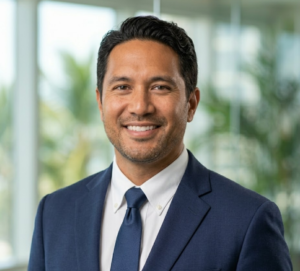

David Lazar Chosen as Honolulu’s 13th Police Chief, Bypassing Union’s Overwhelming Pick
The Honolulu Police Commission has selected David Lazar, a retired San Francisco Police Department assistant chief, as the city’s 13th police chief, a decision that has sparked controversy within the department’s rank and file.
Lazar’s appointment comes despite an internal survey showing nearly 90% of Honolulu Police Department officers favored Mike Lambert, a 25-year HPD veteran and current assistant chief who has spent his entire career serving the island community.
The commission announced its unanimous decision Tuesday following months of deliberation and community input sessions across Oahu. Lazar, who retired from SFPD in 2023 after a 28-year career, will take over from interim Chief Rade Vanic next month.
“Chief Lazar brings a wealth of experience in modern policing practices and community engagement that will serve Honolulu well,” said Police Commission Chair Sarah Nakamura during Tuesday’s announcement at Honolulu Hale. “His track record of implementing innovative programs and building trust between officers and communities aligns with our vision for HPD’s future.”
The selection process began last fall after former Chief Arthur “Joe” Logan announced his retirement. The commission initially received 23 applications from candidates nationwide before narrowing the field to five finalists, including Lambert and Lazar.
Lambert, who currently oversees HPD’s patrol operations covering everything from Waikiki to the North Shore, had strong support from the State of Hawaii Organization of Police Officers (SHOPO). Union officials conducted an informal survey among members, with 87% expressing preference for the homegrown candidate.
“Our officers know Mike Lambert’s character, his commitment to this community, and his understanding of the unique challenges we face here,” said SHOPO President Robert Cavaco. “It’s disappointing that the commission didn’t give greater weight to the voices of the men and women who serve on the front lines every day.”
Mainland Experience vs. Local Knowledge
Lazar’s appointment continues a trend of Honolulu selecting mainland chiefs. Of the past five permanent chiefs, three came from outside Hawaii. Former Chief Louis Kealoha was a notable local exception, though his tenure ended in federal corruption charges that rocked the department.
During his time in San Francisco, Lazar oversaw implementation of body-worn cameras, de-escalation training programs, and community policing initiatives in neighborhoods with demographics similar to Honolulu’s diverse population. He also managed the department’s response to civil unrest and worked extensively with immigrant communities.
However, critics question whether mainland policing experience translates to Hawaii’s unique cultural landscape. Honolulu’s police force must navigate complex relationships with Native Hawaiian communities, military families, and a tourism-dependent economy that creates distinct public safety challenges.
“We need someone who understands the aloha spirit isn’t just a tourism slogan — it’s how we approach community policing here,” said Kalihi resident and community activist Aunty Momi Akana, who attended several commission meetings during the selection process. “I hope Chief Lazar takes time to truly listen and learn from our local officers and community leaders.”
Department Morale Concerns
The decision has raised concerns about morale within HPD, which has struggled with officer retention and recruitment in recent years. The department currently operates about 200 officers below its authorized strength, forcing mandatory overtime and stretched resources across the island.
Several HPD veterans, speaking on condition of anonymity, expressed frustration that the commission appeared to dismiss their preferences. They worry the decision could accelerate departures, particularly among mid-level supervisors who might have stayed under Lambert’s leadership.
Commission members defended their choice, emphasizing Lazar’s experience with police reform initiatives and his success building community partnerships in San Francisco’s diverse neighborhoods.
Lazar, 52, holds a master’s degree in public administration and has completed executive training at the FBI National Academy. He is expected to arrive in Honolulu next week to begin transition meetings with department leadership and community stakeholders.
Looking Ahead
Lazar faces immediate challenges including ongoing federal oversight of HPD’s civil rights practices, budget constraints limiting equipment and personnel upgrades, and restoring public trust following years of corruption scandals.
The new chief will also inherit several high-profile cases, including the department’s response to homelessness in urban Honolulu and coordination with federal agencies on drug trafficking operations affecting the entire Pacific region.
His success will likely depend on his ability to bridge the gap between his mainland experience and local expectations, while addressing the concerns of officers who overwhelmingly preferred continuity under Lambert’s leadership. For Honolulu residents, the ultimate measure will be whether Lazar can deliver on promises of transparent, accountable policing that serves all of Oahu’s diverse communities.