Dawn Chang Steps Down as DLNR Director; Gov. Green Taps Ryan Kanakaʻole as Successor
Dawn Chang will step down as director of the Department of Land and Natural Resources next month, ending a tenure marked by her leadership through the devastating Maui wildfires and ambitious environmental initiatives across the islands.
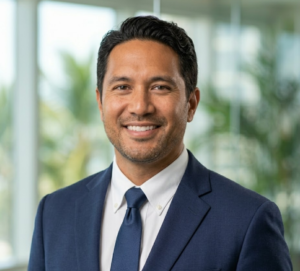
Gov. Josh Green announced Tuesday that Chang will transition to a new role as senior advisor for climate resilience, while Ryan Kanakaʻole, currently deputy director of the State Parks Division, will take the helm of the state’s largest natural resources agency.
Chang’s departure comes after nearly three years leading DLNR through some of its most challenging periods. She oversaw the department’s response to the August 2023 Lahaina fire that killed 102 people, coordinating emergency water releases and managing the complex environmental cleanup that followed.
“Dawn has been instrumental in modernizing how we approach conservation and climate adaptation,” Green said in a statement. “Her work on watershed protection and renewable energy siting will have lasting impacts for generations.”
Under Chang’s leadership, DLNR launched the largest native forest restoration project in state history, planting more than 2 million trees across Oahu, Maui, and the Big Island. The department also implemented new water conservation measures that helped reduce consumption by 15% statewide during the recent drought.
Kanakaʻole Brings Parks Expertise
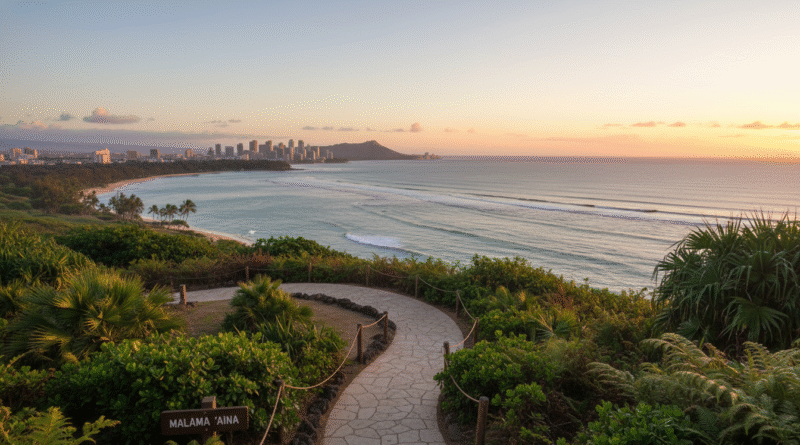
Kanakaʻole, 42, has spent the past five years transforming Hawaii’s state parks system, overseeing upgrades to popular Oahu destinations like Diamond Head and Hanauma Bay. His appointment signals continued focus on balancing public access with environmental protection.
A graduate of the University of Hawaii at Manoa with degrees in natural resources management and Hawaiian studies, Kanakaʻole previously worked for the Trust for Public Land and served on the Oahu Island Burial Council.
“Ryan understands the delicate balance between preserving our natural and cultural heritage while ensuring these spaces remain accessible to residents,” said Kapua Kawelo, director of the Papahanaumokuakea Marine National Monument. “His track record at State Parks shows he can manage complex stakeholder relationships.”
Kanakaʻole’s tenure at State Parks included implementing the reservation system at Diamond Head that reduced overcrowding while generating $3.2 million in additional revenue. He also led efforts to restore native vegetation at Keeaumoku on the North Shore and expanded interpretation programs highlighting Hawaiian cultural practices.
Policy Shifts on the Horizon
Honolulu residents can expect Kanakaʻole to prioritize urban watershed protection and expand public access to state lands, particularly along the coast. Sources close to the administration say he plans to accelerate permitting for renewable energy projects while strengthening protections for culturally significant sites.
His appointment comes as DLNR faces mounting pressure to address housing shortages through strategic land releases. Kanakaʻole has indicated support for developing state lands near transit stations, potentially including parcels in Kalihi and Iwilei.
“We need to think differently about how state lands can serve multiple purposes – conservation, recreation, and responsible development,” Kanakaʻole said during his confirmation hearing last month.
Environmental groups have generally praised the appointment, citing his collaborative approach and cultural grounding. However, some development interests worry his parks background may lead to overly restrictive policies.
Chang’s Legacy
Chang’s time at DLNR included significant wins and controversies. She successfully defended the department’s water management authority in several high-profile court cases and secured $45 million in federal funding for invasive species control.
However, her tenure also saw criticism over slow permit processing and tensions with Native Hawaiian groups over access to traditional gathering areas. The Red Hill fuel leak remediation remains ongoing, with cleanup costs now exceeding $1.2 billion.
In her new role as climate advisor, Chang will focus on coordinating state adaptation efforts and securing federal climate funding. She’ll work directly with the governor’s office on long-term resilience planning.
Kanakaʻole officially takes over DLNR leadership on July 15. His first major test will likely be managing the summer’s peak tourism season while implementing new visitor impact fees at several state parks across Oahu.
For Honolulu residents, the transition represents continuity in environmental protection with potentially greater emphasis on public access and cultural stewardship. How successfully Kanakaʻole balances these often competing priorities will shape Hawaii’s conservation efforts for years to come.