HART Cleared to Plan Skyline Extensions — and Kapolei May Beat UH Manoa to the Punch
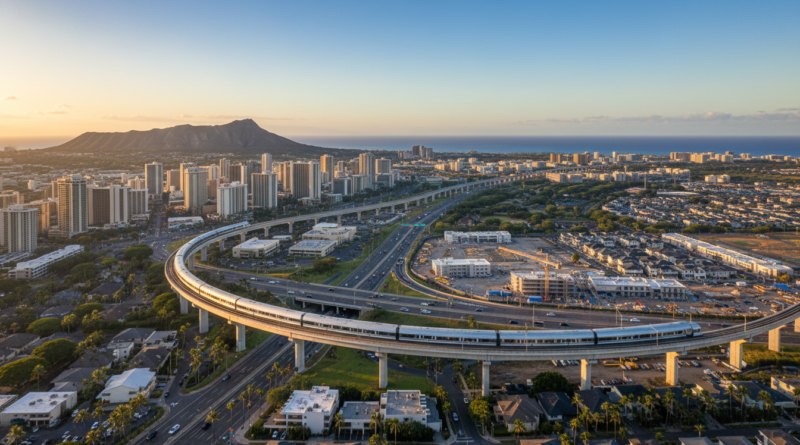
The Honolulu Authority for Rapid Transportation can finally start planning extensions to the Skyline rail system after the City Council passed Bill 60 last week, but the route priorities may surprise longtime rail watchers.
While residents have long expected the next phase to connect downtown to Waikiki and the University of Hawaii at Manoa, several council members are quietly pushing for a shorter westward extension to Ka Makana Aliʻi shopping center in Kapolei instead.
The legislation, which passed 7-2, removes previous restrictions that prevented HART from conducting preliminary planning and environmental studies for potential extensions beyond the current 20-mile alignment ending at Ala Moana Center.
“We need to be practical about what we can actually build and afford,” said Councilmember Andria Tupola, whose West Oahu district includes Kapolei. “A two-mile extension to Ka Makana Aliʻi could serve thousands of residents immediately, versus a much more expensive and complex route through urban Honolulu.”
The Kapolei extension would add just two stations — one at the University of Hawaii-West Oahu campus and another at the major shopping and entertainment complex. Cost estimates suggest the westward route could be completed for roughly $800 million, compared to $3-4 billion for the full Waikiki-UH Manoa line.
That price difference matters as HART continues wrestling with budget overruns on the existing system, which has ballooned to nearly $10 billion and won’t fully open until late 2026.
Tokyo Interest Adds New Wrinkle
Complicating the planning process is reported interest from Tokyo Metro Co., one of Japan’s largest rail operators, in potentially taking over Skyline operations.
Sources familiar with the discussions say Tokyo Metro representatives have been in informal talks with city officials about a comprehensive partnership that could include operations, maintenance, and future expansion planning.
“Japanese rail expertise could be exactly what we need to turn this system around,” said one council member who requested anonymity. “Their efficiency and ridership numbers speak for themselves.”
Tokyo Metro operates one of the world’s most successful urban rail networks, carrying over 6 million passengers daily across 195 stations. The company has been expanding internationally in recent years, with projects in India and Southeast Asia.
HART officials declined to comment on specific discussions but confirmed they are “exploring various operational partnerships to ensure Skyline’s long-term success.”
West vs. East: The Political Calculus
The debate over extension priorities reflects deeper political and demographic shifts across Oahu. West Oahu has experienced rapid population growth, with Kapolei emerging as the island’s “second city” complete with major employers, shopping, and housing developments.
Meanwhile, the tourism-dependent Waikiki corridor has struggled more during recent economic challenges, potentially reducing the political urgency for eastward expansion.
Council Budget Chair Calvin Say, who represents parts of Kalihi and downtown, argues for a phased approach. “We don’t have to choose just one direction,” he said. “But we need to be strategic about which extension delivers the biggest impact per dollar spent.”
UH Manoa officials have expressed concern about being pushed down the priority list, noting that the campus serves 17,000 students and thousands of employees who would benefit from direct rail access.
“The university connection has always been part of the rail vision,” said UH spokesperson Dan Meisenzahl. “Students and faculty deserve efficient transit options, especially as parking becomes increasingly limited.”
What Happens Next
HART now has 18 months to complete preliminary studies on both potential extensions, including ridership projections, environmental impacts, and detailed cost estimates.
The federal government will likely play a decisive role, as any extension would require Federal Transit Administration approval and potentially new funding commitments. The FTA has already expressed skepticism about rail expansion given the existing project’s cost overruns.
For Honolulu residents, the extension debate represents more than just transit planning — it’s about the island’s future development patterns and which communities get prioritized for major infrastructure investments.
The council is expected to hold public hearings on extension priorities this summer, giving residents their first formal opportunity to weigh in on Skyline’s next chapter.