Honolulu City Council Approves $350K Legal Defense Against Hitachi Rail Lawsuit
The Honolulu City Council approved up to $350,000 in legal fees Wednesday to defend against a lawsuit filed by Hitachi Rail Honolulu JV, the contractor responsible for building the city’s troubled rail transit system.
Resolution 104 passed with a 7-2 vote, authorizing the city to hire special deputy corporation counsel to represent Honolulu in the ongoing litigation. The legal battle centers on disputed costs and project delays that have plagued the Skyline rail project for years.
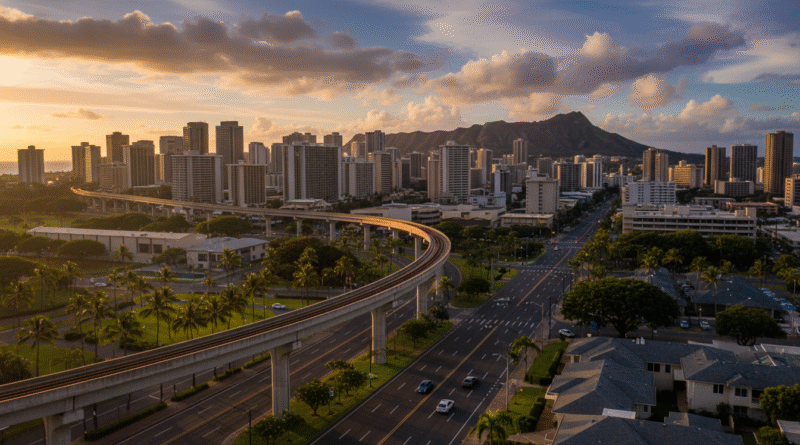
The lawsuit stems from disagreements over change orders and cost overruns during construction of the 20-mile elevated rail line connecting West Oahu to downtown Honolulu. Hitachi Rail, which serves as the primary contractor for the rail system’s core systems and operations, filed the suit seeking additional compensation for work it claims falls outside the original contract scope.
What’s at Stake
The legal dispute could have significant financial implications for Honolulu taxpayers, who have already shouldered billions in cost overruns for the rail project. Originally budgeted at $5.1 billion, the Skyline system has seen its price tag balloon to over $10 billion due to various delays and complications.
“This litigation represents another potential financial burden on our residents who have already paid far more than promised for this rail system,” said Councilmember Heidi Tsuneyoshi, who voted against the resolution. “We need to be extremely cautious about how much more we’re willing to spend on legal fees.”
The approved funding covers legal representation through December 2024, though city officials acknowledge additional funds may be necessary if the case extends beyond that timeframe. The special counsel arrangement allows the city to bring in outside expertise specifically for this complex infrastructure litigation.
Rail Project’s Troubled History
The Skyline rail project has faced numerous setbacks since construction began over a decade ago. Issues ranging from archaeological discoveries in downtown Honolulu to engineering challenges and federal compliance problems have contributed to massive delays and cost increases.
Hitachi Rail was brought on as the primary contractor responsible for the rail system’s vehicles, signaling equipment, and overall operations. The company’s lawsuit suggests disputes over who should bear responsibility for addressing unforeseen complications during the project’s complex construction phase.
The first segment of the rail line, running from East Kapolei to Halawa, opened in June 2023 after years of delays. The remaining segments extending through Kalihi, Keeaumoku, and into downtown are still under construction, with completion dates continuing to shift.
Council Concerns
Several council members expressed frustration during Wednesday’s meeting about the need for additional legal spending on a project that has already strained the city’s finances. The rail system is funded through a combination of federal grants, general excise tax surcharge revenue, and city general funds.
Council Chair Tommy Waters, who voted in favor of the resolution, emphasized the importance of protecting the city’s interests in the litigation. “While nobody wants to spend more money on legal fees, we have to defend ourselves against claims that could cost taxpayers far more than this legal representation,” Waters said.
The resolution also includes provisions requiring regular reporting to the council on the case’s progress and legal expenditures. This oversight mechanism aims to prevent the legal costs from spiraling beyond the approved amount without council knowledge.
Looking Ahead
The Hitachi litigation adds another layer of complexity to the rail project’s completion timeline. While the lawsuit proceeds, work continues on extending the system from Halawa to downtown, with stops planned for Keeaumoku Street and the Civic Center area.
City officials hope to resolve the legal dispute without significant additional costs to taxpayers, but the case highlights ongoing challenges with major infrastructure projects in Hawaii. The outcome could set precedents for how similar disputes are handled in future public works projects.
For Honolulu residents already dealing with higher property taxes and fees related to rail financing, the legal battle represents yet another potential financial burden tied to the ambitious transit project. The council will continue monitoring legal costs as the case progresses through the courts.