HART Breaks Ground on First Chinatown Rail Columns as City Center Segment Takes Shape
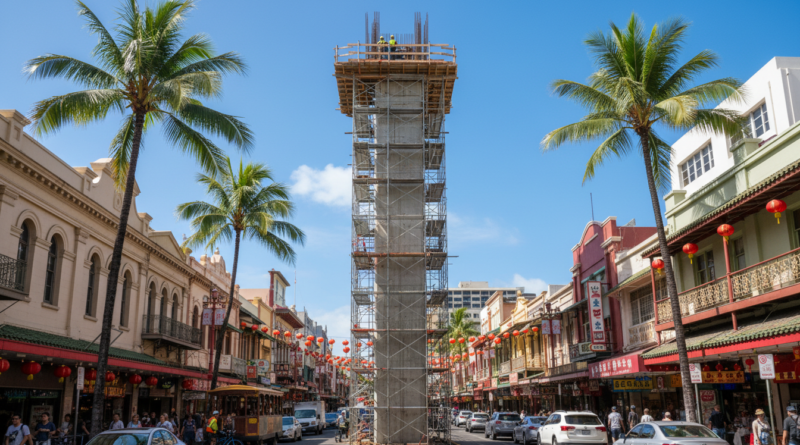
The first concrete columns for Honolulu’s rail system are now rising above the bustling streets of Chinatown, marking a significant milestone in the city’s long-awaited transit project as construction crews begin the above-ground phase of the City Center segment.
The Honolulu Authority for Rapid Transportation (HART) has commenced column construction along the Dillingham Boulevard corridor, with the towering concrete structures beginning to take shape between the Iwilei and Downtown areas. These columns will eventually support the elevated guideway that connects the existing West Oahu line to the planned Civic Center and Ala Moana stations.
“Seeing these columns go up is really the first time you can visualize what this system will look like in our urban core,” said HART spokesperson Mike Chen. “It’s a big moment for the project and for residents who have been waiting to see tangible progress in the city center.”
The column construction represents a shift from years of underground utility work that has disrupted traffic and business access throughout Chinatown and Downtown Honolulu. While the utility relocations will continue through the end of 2026, the visible progress above ground offers hope to local business owners who have endured construction impacts for years.
Business Community Adapts to Long-Term Construction
Along Dillingham Boulevard and the surrounding Kalihi-Palama and Iwilei neighborhoods, businesses have learned to navigate the challenges of ongoing construction. Many shops in Chinatown have reported decreased foot traffic as parking becomes scarce and street access remains limited.
The construction has been particularly challenging for older businesses that serve longtime residents and visitors exploring Honolulu’s cultural heart. Restaurant owners along King Street and Maunakea Street have had to adjust delivery schedules and customer expectations as work crews install new water, sewer, and electrical lines beneath the historic district.
However, some business leaders remain optimistic about the long-term benefits. The rail system is expected to bring increased foot traffic to Chinatown once operational, potentially revitalizing the area as a destination for both locals and tourists.
Technical Challenges in Urban Core
Building rail infrastructure through Honolulu’s dense urban center presents unique engineering challenges compared to the West Oahu segments already under construction. The City Center portion must navigate around existing high-rise buildings, historic structures, and complex utility networks that serve Downtown’s business district.
HART’s construction teams are working in coordination with city utilities and private companies to ensure minimal disruption to essential services. The process requires careful sequencing as crews install new infrastructure while maintaining access to existing water, power, and telecommunications systems.
The columns now being erected will eventually support a guideway system that threads through some of Honolulu’s most valuable real estate, including areas near the Hawaii State Capitol and Honolulu Harbor.
Timeline and Community Impact
With utility work scheduled to continue through late 2026, residents and business owners in the affected areas should expect ongoing construction activity for at least the next two years. HART officials emphasize that the timeline includes multiple phases, with different streets experiencing varying levels of impact as work progresses.
The authority has established regular community meetings and maintains updated construction schedules on its website to help residents and businesses plan around the work. Local community organizations have also stepped up efforts to support affected businesses through promotional campaigns and events.
Once complete, the City Center segment will provide direct rail connections between West Oahu communities and key employment centers in Downtown Honolulu, potentially reducing traffic congestion on the H-1 freeway and surface streets.
For Honolulu residents, the sight of rising rail columns represents both progress and continued patience. The project has faced numerous delays and cost overruns since groundbreaking, but the physical evidence of construction in the urban core signals that the system is moving closer to reality.
As construction continues through Chinatown and into Downtown, the community will need to balance the immediate challenges of ongoing work with the promise of improved transit connectivity that could reshape how residents move around Oahu for decades to come.