
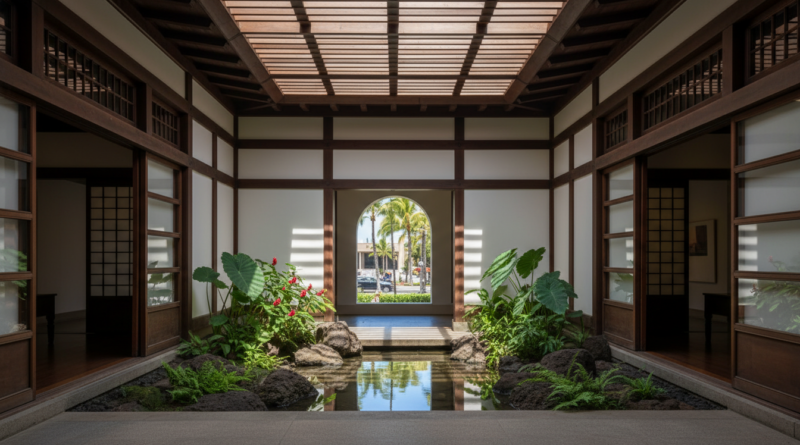
HoMA Opens Its Doors Free to the Community Today — and a Bold Edo Fashion Show Comes Next Week
The Honolulu Museum of Art throws open its doors to the entire community today for free admission, marking another step in the institution’s ongoing effort to make world-class art more accessible to local residents. But while today’s Community Day celebrates inclusivity, next week HoMA will unveil an exhibition that explores how fashion became a form of quiet rebellion in feudal Japan.
“Quiet Luxury: Subversive Fashion in the Edo Period” opens May 24, examining how Japanese artisans and merchants cleverly subverted government sumptuary laws through ingenious textile design. The exhibition arrives as HoMA continues balancing its mission to serve the local community with its ambition to present internationally significant exhibitions.
Today’s free Community Day, running from 10 a.m. to 6 p.m. at the museum’s downtown location, invites residents to explore HoMA’s permanent collection and current exhibitions without the usual $20 admission fee. The initiative reflects the museum’s recognition that art should be accessible to all island residents, regardless of economic circumstances.
When Fashion Became Resistance
The timing couldn’t be more perfect. As families wander through HoMA’s galleries today, they can preview the space where “Quiet Luxury” will soon reveal how 17th-19th century Japanese society turned clothing into coded messages of defiance.
During Japan’s Edo period, strict sumptuary laws dictated what different social classes could wear — merchants were forbidden from displaying wealth through elaborate fabrics or bright colors. But rather than accept these restrictions, artisans developed sophisticated techniques to create luxury through subtlety.
“The exhibition shows how creativity flourishes under constraint,” said Dr. Maya Carpenter, HoMA’s curator of Asian art. “These textile artists found ways to make the most exquisite garments using only browns, grays, and indigo — colors deemed appropriate for the merchant class.”
The show features over 60 pieces, including kimonos with hidden patterns that only become visible under certain lighting conditions, and fabrics woven with threads so fine they created an almost imperceptible shimmer. Some garments appear plain from a distance but reveal intricate geometric patterns up close — a perfect metaphor for hiding in plain sight.
Building Bridges Through Art
HoMA’s dual focus — serving local families through programs like Community Day while mounting exhibitions that draw international attention — reflects broader changes in how museums approach their role in the community. The institution has increasingly emphasized programming that connects with Hawaii’s diverse population while maintaining its reputation as a premier cultural destination.
The museum’s location in downtown Honolulu, surrounded by the city’s business district and steps from Chinatown’s vibrant arts scene, positions it perfectly for this balancing act. Today’s free admission day particularly serves families from across Oahu who might not otherwise visit, while next week’s fashion exhibition will likely draw visitors from the mainland and Asia.
The Edo period exhibition also resonates with contemporary conversations about identity, resistance, and self-expression — themes particularly relevant in Hawaii’s multicultural society. The show explores how individuals navigated restrictive social systems while maintaining dignity and creativity, stories that echo immigrant experiences throughout Hawaii’s history.
More Than Pretty Clothes
Beyond the visual appeal of these historic textiles, “Quiet Luxury” examines the economic and social forces that shaped Japanese society. The exhibition includes interactive elements explaining weaving techniques and displays showing how different social classes were expected to dress.
The show runs through September 8, giving visitors months to discover these subtle masterpieces. HoMA plans complementary programming including textile workshops and lectures on fashion history, connecting the historical material to contemporary design conversations.
For today’s Community Day visitors, the preview offers a glimpse of HoMA’s commitment to presenting thought-provoking exhibitions that go beyond surface beauty to explore deeper cultural questions. Whether you’re a longtime supporter discovering something new or a first-time visitor curious about what the museum offers, both events demonstrate HoMA’s evolution as an institution that serves both neighborhood families and international scholarship.
As downtown Honolulu continues developing as a cultural hub, HoMA’s approach — welcoming the community while presenting world-class exhibitions — suggests a sustainable model for arts institutions in Hawaii. Today’s free admission and next week’s fashion rebellion both serve the same goal: making art accessible while maintaining the highest curatorial standards.