
Hilton Hawaiian Village Wants to Build a 36-Story Tower. Waikiki’s Skyline Battle Is On.
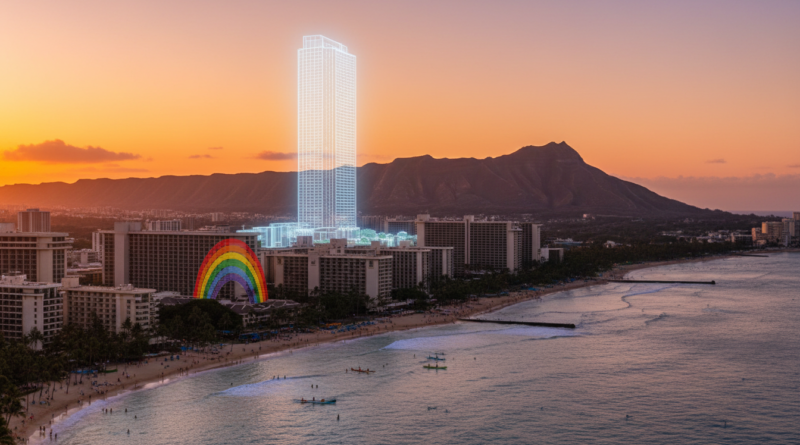
The towering debate over Waikiki’s skyline is reaching new heights as Hilton Hawaiian Village pushes forward with plans for a 36-story, 515-room resort tower that could fundamentally alter the iconic beachfront landscape.
The proposed expansion would add the massive new structure to the already sprawling Hilton Hawaiian Village complex, which currently dominates a significant portion of Waikiki’s western edge near Fort DeRussy Beach Park. If approved, construction could begin as early as mid-2026, marking one of the most significant additions to Waikiki’s skyline in recent years.
The timing of Hilton’s ambitious expansion comes as Honolulu grapples with competing priorities: accommodating a recovering tourism industry while preserving the character that makes Waikiki special. The proposed tower would rise above most existing structures in the area, creating a new landmark visible from Diamond Head to downtown Honolulu.
Density Concerns Mount
Waikiki already ranks among the most densely developed beach destinations in the world, with over 30,000 hotel rooms packed into roughly 1.5 square miles. The neighborhood’s infrastructure — from roads to sewers to beaches themselves — strains under the weight of millions of annual visitors.
“We’re at a critical juncture where we need to seriously consider whether more rooms equals better tourism,” said Maria Santos, president of the Waikiki Neighborhood Board. “Residents and visitors alike are feeling the impact of overcrowding, especially during peak seasons.”
The Hilton expansion would add another 515 rooms to an area that some argue has already reached its carrying capacity. Traffic congestion along Kalakaua Avenue regularly reaches gridlock levels, while popular beaches like Waikiki Beach itself often feel more like outdoor shopping malls than peaceful retreats.
Tourism Industry’s Growth Push
Hotel operators and tourism officials, however, argue that new inventory is essential for Hawaii’s economic recovery and competitiveness. The pandemic decimated Hawaii’s tourism industry, with hotel occupancy rates plummeting and thousands of hospitality workers losing their jobs.
Hilton’s expansion represents a significant vote of confidence in Waikiki’s long-term appeal and Hawaii’s tourism future. The company has invested heavily in upgrading its existing Hawaiian Village property over the past decade, including renovating rooms and adding new dining concepts.
The proposed tower would likely feature premium accommodations targeting the luxury market segment, potentially commanding higher room rates than the resort’s existing inventory. This aligns with Hawaii Tourism Authority’s strategy of attracting higher-spending visitors rather than simply maximizing visitor numbers.
Skyline Impact
Beyond room count, the visual impact of a 36-story tower raises questions about Waikiki’s architectural future. The proposed structure would join the ranks of the area’s tallest buildings, potentially blocking ocean or mountain views from neighboring properties.
Waikiki’s skyline has evolved dramatically since the 1960s, when most buildings were low-rise structures that maintained the area’s beach town character. Today’s forest of high-rises creates dramatic shadows across the neighborhood throughout the day, affecting everything from beach conditions to pedestrian comfort.
The tower’s design and materials will likely face intense scrutiny from city planners and community groups. Recent developments have emphasized incorporating Hawaiian cultural elements and sustainable building practices, setting expectations for any new major construction.
Regulatory Hurdles Ahead
Hilton’s proposal faces a complex approval process involving multiple city and state agencies. The project will need to navigate environmental impact assessments, traffic studies, and extensive community input sessions.
Height restrictions, setback requirements, and parking mandates could all influence the final design. The city’s increasingly stringent affordable housing requirements may also factor into approval decisions, potentially requiring Hilton to contribute to workforce housing funds.
The project timeline suggests Hilton is confident about navigating these regulatory challenges, but recent developments in Honolulu have faced significant delays and modifications during the approval process.
What’s Next
For Honolulu residents, Hilton’s tower proposal represents a broader question about the city’s tourism future. As the industry recovers from pandemic losses, how much growth is too much?
The debate will likely intensify as Hilton’s plans move through the approval process over the next year. Community meetings and public hearings will provide opportunities for residents to weigh in on a project that could define Waikiki’s skyline for generations.
Whether the 36-story tower rises or falls, the discussion it’s generating reflects Honolulu’s ongoing struggle to balance economic necessity with livability — a challenge that extends far beyond Waikiki’s borders to neighborhoods across Oahu.
