After 35 Years, Hanauma Bay Gets a New Education Program — and a New Hawaiian Name
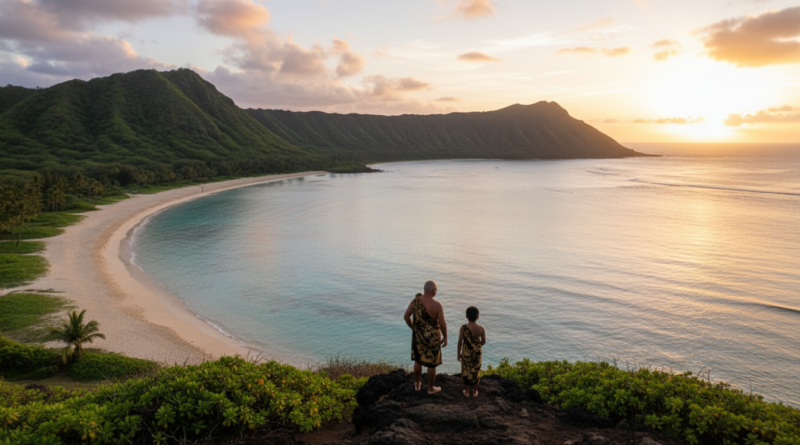
A new chapter begins at Hanauma Bay Nature Preserve in May 2026, as the Hui Mālama O Ke Kai Foundation takes the reins of conservation education from Hawaii Sea Grant after 35 years. The transition brings more than just a new organization — it introduces “Papahana Hanauma,” a program that weaves traditional Hawaiian storytelling and ‘ōlelo Hawaiʻi into the preserve’s educational mission.
The City and County of Honolulu announced the change following a competitive selection process. Hui Mālama O Ke Kai Foundation emerged as the chosen provider to guide visitors through one of Oahu’s most beloved snorkeling destinations while protecting its fragile coral reef ecosystem.
“This represents a significant cultural shift in how we approach conservation education at Hanauma Bay,” said Kalei Tsuha, executive director of Hui Mālama O Ke Kai Foundation. “Papahana Hanauma will honor the traditional Hawaiian understanding of our relationship with the ocean while preparing visitors to be respectful stewards of this sacred place.”
Building on Decades of Conservation Success
Hawaii Sea Grant has managed Hanauma Bay’s education program since the preserve’s reopening in 1990, following a two-year closure for restoration. During their tenure, the program educated millions of visitors about marine conservation, helping transform what was once a deteriorating ecosystem into a thriving coral reef habitat.
The preserve welcomes approximately 3,000 visitors daily during peak season, making education a critical component of conservation efforts. Every visitor must watch a safety and conservation video before entering the bay, a requirement that has become a model for sustainable tourism practices across Hawaii.
Hui Mālama O Ke Kai Foundation brings a different perspective to this established framework. Founded with a mission to perpetuate Native Hawaiian marine conservation practices, the organization has worked throughout the Pacific to restore traditional knowledge systems and strengthen community connections to ocean resources.
Integrating Hawaiian Cultural Values
The new Papahana Hanauma program promises to ground conservation education in Native Hawaiian values and traditional ecological knowledge. This approach reflects a broader movement across Hawaii to center Indigenous perspectives in environmental stewardship and cultural interpretation.
“When you understand the mo’omoku (dragon moray eel) not just as a species to observe, but as part of the genealogical connections that link all life in the bay, your relationship to that place becomes deeper,” Tsuha explained. “That deeper connection creates more committed conservation behavior.”
The foundation plans to incorporate Hawaiian language throughout the visitor experience, from signage to interpretive materials. Traditional concepts like “malama ‘aina” (caring for the land) and “pono” (righteousness or balance) will frame discussions about visitor responsibilities and reef protection.
This cultural integration extends beyond language to include traditional Hawaiian practices for understanding marine environments. Visitors may learn about traditional fishing seasons, the role of coral reefs in Hawaiian cosmology, and how ancient Hawaiians maintained sustainable relationships with ocean resources.
Preparing for the Transition
The 18-month lead time before the May 2026 transition allows for careful planning and staff preparation. Hui Mālama O Ke Kai Foundation will work closely with city officials and Hawaii Sea Grant to ensure continuity of conservation messaging while developing their enhanced cultural programming.
The preserve generates significant revenue for Honolulu through entrance fees, with funds supporting both operations and broader parks system maintenance. Maintaining visitor satisfaction while deepening conservation impact remains a key challenge for any education provider.
Current Hawaii Sea Grant staff members will have opportunities to apply for positions with the new program, ensuring institutional knowledge remains available during the transition period.
Broader Implications for Cultural Stewardship
The selection of Hui Mālama O Ke Kai Foundation reflects evolving city priorities around cultural authenticity and Indigenous knowledge systems. Similar transitions have occurred at other city-managed cultural sites, as Honolulu increasingly partners with Native Hawaiian organizations for interpretation and stewardship roles.
For Hanauma Bay’s daily visitors — many of them first-time Hawaii tourists — this change represents an opportunity to experience authentic Hawaiian perspectives on environmental stewardship. The preserve serves as many visitors’ primary introduction to Hawaiian marine environments, making it a powerful platform for cultural education.
As Honolulu continues balancing tourism with sustainability goals, programs like Papahana Hanauma may serve as models for integrating traditional knowledge with modern conservation practices. The success of this transition will likely influence how other natural and cultural sites approach visitor education across the islands.