City Council Approves Free Bus Rides for All Oahu Students Starting Fall Semester
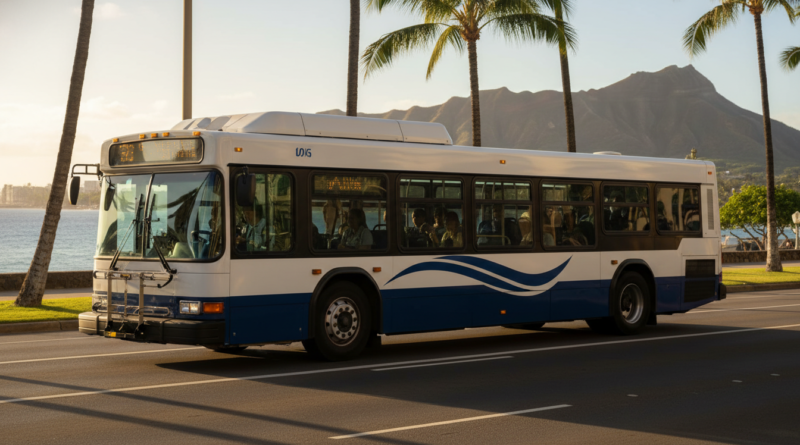
Oahu students will ride TheBus for free starting this fall semester after the Honolulu City Council unanimously approved a groundbreaking $8 million program Wednesday night. The initiative covers all K-12 and college students across the island, making Oahu one of the largest metropolitan areas in the country to offer universal free transit for students.
The program will be funded through a reallocation of existing hotel room tax revenue, avoiding any new taxes on residents. Under the plan, students simply need to show valid school identification to board any TheBus route without paying the standard $2.75 fare.
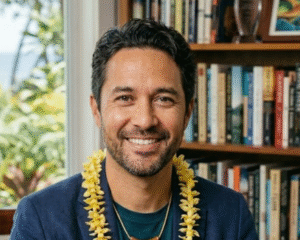
“This is about removing barriers and giving our keiki every opportunity to succeed,” said Councilmember Carol Fukunaga, who sponsored the legislation. “When families don’t have to worry about bus fare, students can focus on their education instead of figuring out how to get to school.”
Immediate Impact for Student Commuters
The policy addresses a significant financial burden for many Oahu families, particularly those in areas like Waianae, Kalihi, and Keeaumoku where students often rely on public transit to reach schools across the island. A student taking the bus daily to school currently pays about $495 per school year, or nearly $2,000 for a family with four children.
The program extends beyond just getting to school. Students can use their free rides for after-school activities, part-time jobs, library visits, and other educational opportunities throughout Oahu. This is particularly significant for University of Hawaii students who commute from outer communities to the Manoa campus.
Local high school senior Maria Santos, who takes two buses daily from her Waipahu home to McKinley High School, called the program “life-changing” for her family. “My mom works two jobs and sometimes we had to choose between bus money or groceries,” she said. “Now I can stay after school for clubs without worrying about having fare to get home.”
Funding Through Tourism Revenue
The $8 million annual cost represents approximately 2.5 percent of Oahu’s current TheBus operating budget. Rather than raising property taxes or implementing new fees, the council opted to redirect a portion of the Transient Accommodations Tax already collected from hotel guests.
This funding mechanism proved crucial in securing unanimous council support. The hotel industry generates roughly $400 million annually in TAT revenue for the city, making the $8 million allocation a relatively small percentage of that income stream.
Council Budget Chair Calvin Say noted that using tourism dollars to fund student transportation creates a direct benefit for residents from visitor industry revenue. “Tourists use our infrastructure, and now that revenue helps our students access education and opportunities,” Say explained during Wednesday’s meeting.
National Context and Comparisons
Honolulu joins a growing number of cities implementing free student transit programs, though few match the scope of Oahu’s universal approach. Boston provides free subway and bus rides to students, while Washington D.C. offers free bus transportation during school hours only.
What sets Honolulu’s program apart is its inclusion of college students and its 24/7 availability. Students can ride free on weekends, evenings, and during school breaks, expanding access to internships, jobs, and cultural activities across the island.
The program also addresses Oahu’s unique geography challenges. Unlike mainland cities with multiple transit agencies, TheBus serves the entire island, meaning students in rural areas like Hauula or Hawaii Kai can access opportunities in urban Honolulu without transit fare barriers.
Implementation and Next Steps
TheBus operators will begin training on the new policy next month, with full implementation scheduled for August 15, ahead of the fall semester. The Department of Transportation Services will work with schools to ensure students understand the ID requirements and program rules.
Council members emphasized that the program’s success will be measured not just by ridership numbers, but by improved school attendance rates and increased participation in after-school programs. The city plans to track these metrics and report quarterly to the council.
For thousands of Oahu families, this fall semester will mark the first time students can focus entirely on their education without the daily stress of scraping together bus fare. As the islands face ongoing affordability challenges, this program represents a concrete step toward making essential services accessible to all residents, funded by those who choose to visit our shores.