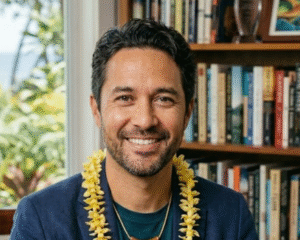

Homeless Housing Contractor Hid Payments to CEO’s Spouse, State Auditor Warns Lawmakers
A nonprofit organization that became Hawaii’s primary contractor for emergency homeless housing failed to disclose payments made to the CEO’s spouse while receiving nearly $142 million in state contracts over two years, according to a scathing audit that has prompted urgent warnings to state lawmakers.
HomeAid Hawaiʻi experienced explosive growth from just $235,000 in revenue in 2022 to almost $142 million in 2024, largely by securing the majority of no-bid state contracts to build tiny homes under Governor Josh Green’s emergency homeless proclamation. But State Auditor Les Kondo discovered the organization failed to report insider payments as required by law.
The audit found that HomeAid Hawaiʻi paid the spouse of CEO Jason Kasamoto for consulting services without properly disclosing these transactions in required filings with the state. The payments represent a potential conflict of interest that should have been reported under Hawaii’s public contracting disclosure requirements.
“This is exactly the kind of oversight failure we were concerned about when emergency procurement processes bypass normal competitive bidding,” said state Rep. Sylvia Luke, chair of the House Finance Committee. “Taxpayers deserve transparency, especially when we’re talking about contracts worth hundreds of millions of dollars.”
Rapid Growth Raises Questions
HomeAid Hawaiʻi’s meteoric rise began after Green declared a state of emergency on homelessness in late 2023, allowing agencies to fast-track contracts without the typical competitive bidding process. The organization quickly became the go-to contractor for the state’s tiny home villages, including projects in Keeaumoku and near Sand Island State Recreation Area.
The tiny homes, designed to provide transitional housing for Oahu’s unsheltered population, cost approximately $150,000 each to build and install. HomeAid Hawaiʻi has constructed dozens of the units across various sites in urban Honolulu, from Downtown to Kalihi.
But Kondo’s audit revealed significant gaps in financial oversight and transparency. Beyond the undisclosed spouse payments, the review found inadequate documentation of how emergency contracts were awarded and insufficient monitoring of project deliverables.
Emergency Powers Under Scrutiny
The findings have intensified legislative scrutiny of Hawaii’s emergency procurement powers, particularly as the homeless crisis continues to strain state resources. Critics argue the emergency provisions, while necessary for rapid response, have created opportunities for waste and potential abuse.
HomeAid Hawaiʻi defended its practices in a written response, stating that all payments to consultants, including the CEO’s spouse, were for legitimate services at fair market rates. The organization emphasized its commitment to helping Hawaii’s homeless population and noted it has successfully delivered housing units ahead of schedule on multiple projects.
“We stand by our work and our mission,” Kasamoto said in a statement. “Every dollar we’ve received has gone toward addressing Hawaii’s homeless crisis, and we welcome any review of our operations.”
Broader Implications for State Contracting
The audit’s revelations extend beyond HomeAid Hawaiʻi to highlight systemic weaknesses in Hawaii’s emergency contracting oversight. Kondo’s report noted that state agencies lacked adequate procedures for monitoring emergency contracts and ensuring compliance with disclosure requirements.
The Hawaii State Homeless Coordinator’s Office, which oversees much of the tiny home program, acknowledged the audit findings and pledged to strengthen oversight procedures. The office manages programs across Oahu, including the controversial Keeaumoku facility that has drawn complaints from nearby business owners and residents.
State lawmakers are now calling for comprehensive reforms to emergency procurement processes. Proposed changes include mandatory disclosure requirements for all contractor relationships, enhanced monitoring of no-bid contracts, and regular reporting to the legislature on emergency spending.
What’s Next
The Legislature is expected to take up the auditor’s recommendations when it reconvenes, with several committees planning hearings on emergency contracting oversight. Lawmakers face pressure to balance the need for rapid response to the homeless crisis with demands for fiscal accountability and transparency.
For Honolulu residents, the audit findings raise important questions about how public money is spent on one of the city’s most pressing challenges. With homelessness remaining a visible crisis from Downtown to the Westside, the community needs assurance that emergency funds are being used effectively and ethically.
The controversy also underscores ongoing debates about Hawaii’s approach to addressing homelessness through temporary housing solutions versus longer-term affordable housing development. As the state continues to grapple with both issues, taxpayers will be watching closely to ensure their investment in emergency programs delivers real results for those who need help most.