Honolulu Council Pulls $34M for Hawaii Kai JAIMS Site, Citing Storm Recovery Costs
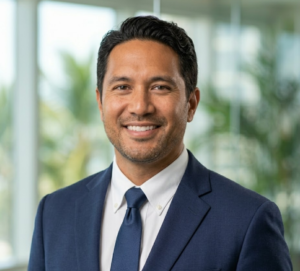
Honolulu City Council Chair Tommy Waters pulled a $34 million budget request Wednesday to purchase the former Japan-America Institute of Management Science (JAIMS) property in Hawaii Kai, citing the city’s mounting costs from recent Kona storm recovery efforts.
The last-minute withdrawal leaves the future of the 6.2-acre oceanfront site uncertain, disappointing community advocates who had pushed for public acquisition to prevent high-rise development in the residential neighborhood.
“Given the fiscal constraints we’re facing with storm recovery costs and other pressing needs, we simply can’t justify this expenditure right now,” Waters said during Wednesday’s budget committee meeting. “But I want to be clear — this isn’t the end of the conversation.”
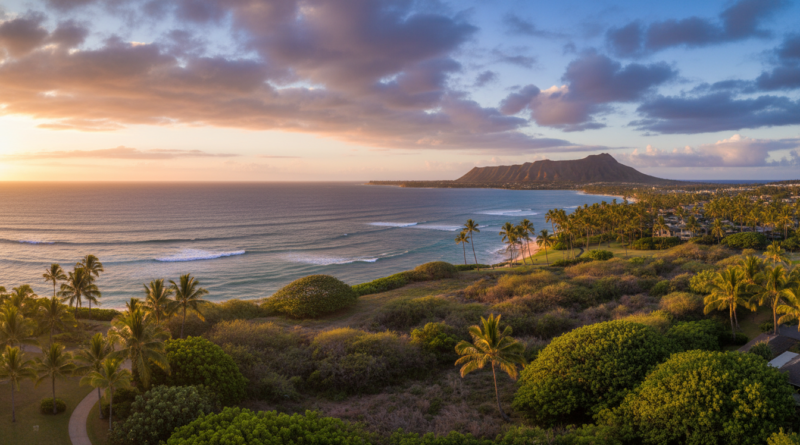
The JAIMS property, located along Keahole Street near the Hawaii Kai Marina, has been a source of community concern since the educational institution ceased operations in 2023. The site includes several buildings and prime oceanfront land that residents fear could be redeveloped into high-density housing.
Local small businesses currently lease space in the complex, including a popular poke shop and an art studio that serves as a community gathering place. These tenants have been operating month-to-month while the property’s future remains in limbo.
Community Push for Public Space
Hawaii Kai residents have been advocating for the city to purchase the property and convert it into public use, potentially as a community center or park space. The area lacks significant public facilities despite its dense residential population and popular marina.
“We need community spaces, not more condos,” said Lisa Nakamura, a longtime Hawaii Kai resident who has attended multiple council meetings on the issue. “This property could serve families for generations, but only if the city acts.”
The $34 million price tag would have made it one of the largest property acquisitions in recent city history. Waters had initially included the funding in his proposed capital improvement budget, calling it a “once-in-a-generation opportunity” to secure public access to Hawaii Kai’s waterfront.
However, the January Kona storms caused an estimated $50 million in damage across Oahu, straining the city’s emergency reserves and forcing officials to reassess spending priorities. Recovery efforts are ongoing in several neighborhoods, including major infrastructure repairs in Kailua and Sand Island.
Private Development Pressure
Without city intervention, the JAIMS property remains vulnerable to private development. Zoning laws would allow for residential construction, and Hawaii Kai’s desirable location and limited land supply make it attractive to developers.
The neighborhood has already seen significant high-rise development along Kalanianaole Highway, and residents worry about additional density impacting traffic, parking, and the area’s suburban character.
Current business tenants at the site operate under temporary arrangements that could end at any time. The uncertainty has made it difficult for them to invest in improvements or plan for the future.
“We love being part of this community, but we need to know what’s happening,” said Mike Tanaka, whose family runs a small cafe in one of the JAIMS buildings. “Our customers ask us every day if we’re staying.”
Looking Ahead
Waters indicated he plans to reintroduce the acquisition proposal in next year’s budget cycle, hoping the city’s financial picture will improve as storm recovery costs wind down.
The council chair also suggested exploring alternative funding mechanisms, including federal grants or public-private partnerships that could reduce the city’s upfront investment while still achieving community goals.
Meanwhile, community groups plan to maintain pressure on the council through the coming months. The Hawaii Kai Neighborhood Board has scheduled a special meeting for next month to discuss strategy and next steps.
The withdrawal highlights the ongoing tension between Honolulu’s fiscal constraints and residents’ desire for public amenities. As development pressure intensifies across Oahu, opportunities to secure community spaces become increasingly rare and expensive.
For Hawaii Kai residents, the JAIMS site represents more than just another real estate transaction — it’s a test of whether the city will prioritize community needs over developer interests in one of Oahu’s most desirable neighborhoods.