Mayor Blangiardi Flies to China Today — And He’s Coming Home With Pandas (Maybe)
Mayor Rick Blangiardi departed Honolulu this morning on a mission that sounds almost too good to be true: convincing China to loan giant pandas to the Honolulu Zoo. The 10-day diplomatic journey to Beijing, Chengdu, and Fuzhou represents the city’s most ambitious foray into what experts call “panda diplomacy” — and it comes at a time when only four pandas currently reside in zoos across the United States.
The timing couldn’t be better for Honolulu’s panda pitch. Just last week, the Association of Zoos and Aquariums extended the Honolulu Zoo’s accreditation through 2030, a crucial credential that keeps the 42-acre Kapiolani Park facility in good standing with international conservation partners. Without that stamp of approval, any panda negotiations would be dead on arrival.
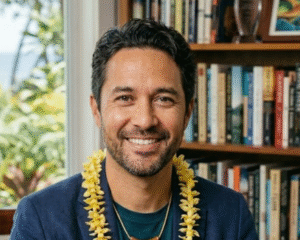
“This trip represents a unique opportunity to strengthen our cultural and economic ties with China while potentially bringing one of the world’s most beloved animals to Hawaii,” Blangiardi said before his departure. “The pandas would be transformative for our zoo and our tourism industry.”
The mayor’s entourage includes city officials and zoo representatives who will spend time at the Chengdu Research Base of Giant Panda Breeding, the world’s premier panda conservation facility in Sichuan Province. The group will also visit Beijing for high-level diplomatic meetings and Fuzhou to explore sister-city partnerships.
Long Odds, Big Dreams
Honolulu faces steep competition in the panda game. China currently loans giant pandas to only a handful of American institutions, including the San Diego Zoo and Zoo Atlanta. The agreements typically last 10-15 years and come with annual fees exceeding $1 million per panda, plus additional costs for specialized facilities, veterinary care, and research programs.
But Honolulu Zoo Director Linda Santos believes the islands offer something unique in the panda diplomacy equation. “Hawaii’s position as a cultural bridge between East and West, combined with our zoo’s strong conservation track record, makes us an ideal partner,” Santos explained in a recent interview.
The zoo would need significant infrastructure upgrades to house pandas, including climate-controlled habitats, specialized bamboo cultivation areas, and enhanced veterinary facilities. Early estimates suggest the project could require $15-20 million in initial investments, not including the ongoing operational costs.
Tourism Gold Rush Potential
For Honolulu’s tourism-dependent economy, pandas represent potential gold. When the National Zoo in Washington, D.C., housed pandas, they attracted an estimated 2 million additional visitors annually. Even accounting for Hawaii’s smaller scale, tourism officials believe pandas could draw hundreds of thousands of new visitors to the islands each year.
The economic ripple effects would extend far beyond the zoo’s gates in Waikiki. Hotels, restaurants, and retail businesses throughout urban Honolulu could benefit from the panda-driven tourism boost, particularly during traditionally slower visitor seasons.
Local hospitality industry leaders have quietly supported the mayor’s mission, recognizing that unique attractions help differentiate Hawaii from other tropical destinations. With increased competition from Pacific islands and mainland resort areas, pandas could provide the kind of distinctive draw that keeps Hawaii at the top of travelers’ wish lists.
Conservation Credibility
Beyond the tourism appeal, hosting pandas would elevate Honolulu Zoo’s conservation profile significantly. The facility has already demonstrated success with endangered species programs, including its work with Hawaiian monk seals and native Hawaiian birds.
Panda conservation programs require extensive research partnerships, educational outreach, and breeding expertise — all areas where the Honolulu Zoo has shown growth potential. The recent AZA accreditation extension specifically noted improvements in the zoo’s research capabilities and animal welfare standards.
China evaluates potential panda host sites based on multiple factors: facility quality, conservation commitment, research capacity, and diplomatic relationships. Honolulu’s challenge will be demonstrating that a mid-sized zoo in the Pacific can meet the exacting standards required for panda care.
What’s Next
Mayor Blangiardi returns to Honolulu on May 2, and zoo officials expect preliminary feedback on the panda proposal within several weeks of his return. Even if China expresses interest, the negotiation and approval process typically takes 12-18 months.
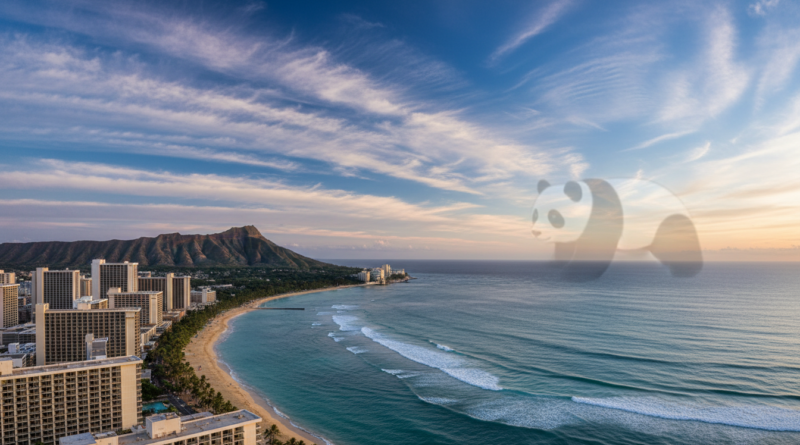
City Council approval would be required for any panda-related expenditures, setting up what could be spirited public debates about spending priorities and tourism strategies. For now, though, Honolulu residents can dream about the possibility of giant pandas munching bamboo in the shadow of Diamond Head — a scene that would put the islands on the global conservation map in an entirely new way.