Waikiki Lifeguard Shortage Prompts Emergency Recruitment Drive
The City and County of Honolulu has launched an emergency recruitment drive to address a critical shortage of lifeguards at Waikiki Beach, with staffing levels dropping to dangerously low numbers during the busy holiday season.
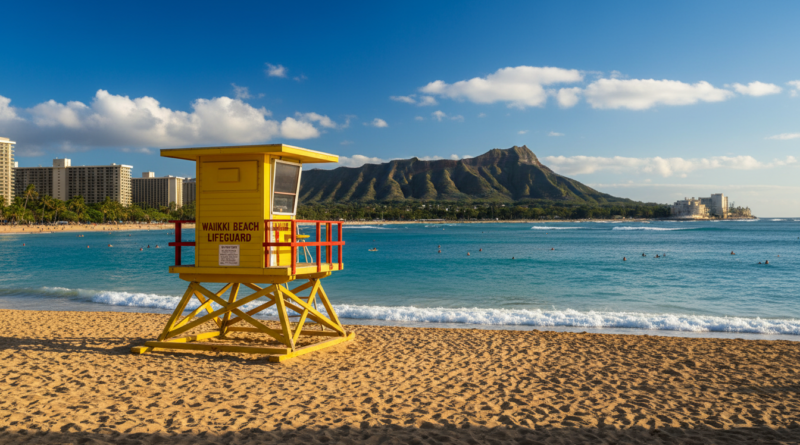
Ocean Safety officials report that several key lifeguard towers along Waikiki’s iconic shoreline are operating with reduced coverage, forcing the department to consolidate services and leave some areas temporarily unmonitored during peak swimming hours.
The shortage has reached crisis levels, with only 18 of the normally required 28 lifeguards currently assigned to Waikiki’s main beach areas stretching from the Royal Hawaiian to Diamond Head. This represents a 36% staffing deficit at the state’s most visited beach, which sees an estimated 25,000 daily visitors during peak season.
“We’re doing everything we can to maintain coverage, but we’re asking beachgoers to exercise extra caution and stay close to staffed towers,” said Jim Anderson, acting chief of Honolulu’s Ocean Safety and Lifeguard Services Division. “This situation is not sustainable, especially with visitor numbers expected to surge through New Year’s Day.”
Multiple Factors Behind Staffing Crisis
The shortage stems from a perfect storm of challenges that have plagued the department throughout 2024. Several veteran lifeguards have retired or transferred to other city departments offering better pay and benefits, while recruitment efforts have struggled to attract qualified candidates willing to work for the current starting salary of $52,000 annually.
Recent medical leaves and family emergencies have further strained the roster. Two senior lifeguards at Kuhio Beach are currently on extended leave, while another transferred to the fire department last month for a $15,000 salary increase.
The timing couldn’t be worse. December through February represents Waikiki’s peak season, with dangerous surf conditions and higher rescue numbers. Ocean Safety records show December typically sees 40% more water rescues than other months, largely due to inexperienced visitors unfamiliar with Hawaii’s ocean conditions.
Emergency Response Measures
To address the immediate crisis, the city has implemented several emergency measures. Off-duty lifeguards are being offered overtime shifts at time-and-a-half pay, while guards from less busy beaches at Hanauma Bay and Keeaumoku are being temporarily reassigned to Waikiki during peak hours.
The emergency recruitment drive offers expedited hiring for qualified candidates, including those with mainland lifeguard certifications who can demonstrate equivalent training. The city is also partnering with local surf schools and water safety organizations to identify potential recruits.
Mayor Rick Blangiardi’s office announced Tuesday that emergency funds have been allocated to offer signing bonuses of up to $3,000 for new hires who commit to two-year contracts. The administration is also exploring raising starting salaries to match neighboring counties.
Tourist Safety Concerns Mount
The shortage has raised concerns among hotel concierges and tour operators who regularly direct guests to Waikiki Beach. Several major hotels have begun providing additional safety briefings and encouraging guests to visit during staffed hours only.
Waikiki Business Plaza manager Sarah Chen said the situation has become a topic of daily discussion among area businesses. “Our hotel partners are having to explain to guests why certain beach areas might not have lifeguard coverage,” she noted. “It’s not the Hawaii experience anyone wants to deliver.”
Ocean conditions have been particularly challenging this month, with north shore swells wrapping around Diamond Head and creating unexpected rip currents in typically calm areas. Without full lifeguard coverage, these conditions pose increased risks for both visitors and locals.
Long-term Solutions in Development
Beyond the immediate crisis response, city officials are developing longer-term strategies to address chronic understaffing issues. A comprehensive compensation study is underway to ensure lifeguard salaries remain competitive with similar positions statewide and on the mainland.
The Ocean Safety division is also exploring partnerships with University of Hawaii’s marine biology program and local community colleges to create pipeline programs for future lifeguards. These would combine academic coursework with practical training and guaranteed employment opportunities.
Union representatives have called for additional hazard pay recognition, noting that Waikiki lifeguards face unique challenges including higher rescue volumes, language barriers with international visitors, and increased exposure to waterborne illnesses.
For now, beachgoers are advised to stay within designated swimming areas, heed all posted warnings, and remain near staffed lifeguard towers. The emergency recruitment drive aims to restore full staffing by mid-January, but Ocean Safety officials acknowledge that building a sustainable workforce will require ongoing commitment from city leadership and competitive compensation packages that reflect the critical nature of these public safety positions.