Kakaako’s Waiakoa Project Set to Add Over 1,000 Units Across Two Towers — Construction Starting in 2026
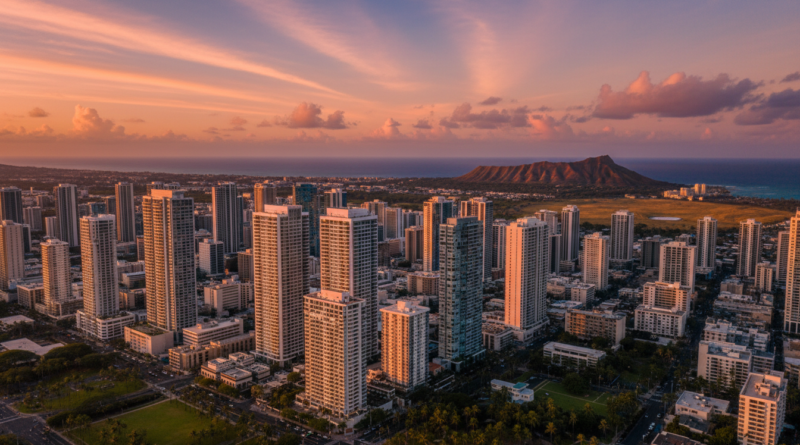
Kakaako’s skyline is set to grow even taller with the upcoming Waiakoa development, a dual-tower project that will add 1,032 residential units to one of Honolulu’s most rapidly transforming neighborhoods. The ambitious development, part of the Our Kakaako master-planned community on Block D, is scheduled to break ground in 2026.
Located along the makai side of Queen Street, Waiakoa represents the latest phase in the ongoing transformation of what was once an industrial district into a high-density residential hub. The project will feature two towers — one rising 41 stories and another reaching 43 stories — making it among the tallest residential developments in the area.
The development sits strategically within walking distance of Ala Moana Center, Keeaumoku Street’s restaurant corridor, and the growing Ward Village retail complex. This positioning places future residents at the heart of urban Honolulu’s shopping, dining, and entertainment options.
Mixed Housing Options Target Diverse Market
Waiakoa’s unit mix reflects the complex housing needs of Honolulu’s residents, combining market-rate condominiums with workforce housing options. The project includes studio, one-bedroom, two-bedroom, and three-bedroom units designed to accommodate both young professionals and growing families.
Approximately 20% of the units will be designated as workforce housing, aimed at households earning between 80% and 140% of the area median income. For a family of four in Honolulu, this translates to annual incomes roughly between $95,000 and $166,000 — a range that captures many essential workers including teachers, nurses, and municipal employees who often struggle to find affordable housing near their workplaces.
“Projects like Waiakoa are crucial for maintaining economic diversity in central Honolulu,” said Lisa Chen, a real estate analyst with Pacific Property Research. “When we lose middle-income housing options, we lose the workforce that keeps our city functioning.”
Amenities Designed for Dense Urban Living
The towers will feature extensive amenities typical of luxury high-rise developments, including fitness centers, swimming pools, and outdoor recreation areas. Ground-floor retail space will activate the street level, continuing Kakaako’s evolution from a car-centric industrial zone to a walkable neighborhood.
Parking remains a critical consideration, with the development including structured parking to meet city requirements. However, the project’s proximity to TheBus routes and the planned rail transit system positions it for residents who may rely less heavily on personal vehicles.
The development also includes green building features and sustainability measures, responding to growing environmental consciousness among Honolulu residents and the city’s climate goals.
Kakaako’s Continued Growth Trajectory
Waiakoa joins a growing roster of high-rise developments transforming Kakaako’s landscape. The neighborhood has added thousands of units over the past decade, fundamentally changing its character from light industrial uses to dense residential living.
This growth hasn’t come without challenges. Infrastructure strain, particularly on streets and utilities, has raised concerns among existing residents. Traffic congestion during peak hours has worsened as more residents move into the area, and local schools are evaluating capacity needs.
The Hawaii Community Development Authority, which oversees development in Kakaako, has worked to balance density increases with infrastructure improvements. Recent investments in parks, pedestrian facilities, and utility upgrades reflect efforts to accommodate the growing population.
Market Timing and Economic Context
The 2026 construction timeline positions Waiakoa to enter a potentially different real estate market than exists today. Interest rate fluctuations, construction cost pressures, and evolving buyer preferences will all influence the project’s success.
Pre-sales are expected to begin in late 2025, giving developers and potential buyers time to assess market conditions. The inclusion of workforce housing units provides some insulation against pure luxury market volatility.
Construction employment will also benefit from the project, with hundreds of jobs expected during the multi-year building phase. Local contractors and suppliers are positioning themselves for what promises to be substantial economic activity.
For Honolulu residents, Waiakoa represents both opportunity and change. The additional housing supply could help moderate prices in a chronically undersupplied market, while the workforce component ensures economic diversity isn’t entirely priced out of central Honolulu.
As Kakaako continues evolving from its industrial past toward a dense urban future, projects like Waiakoa will define whether this transformation serves a broad range of residents or primarily caters to luxury buyers. With construction still two years away, community input and market forces will continue shaping this significant addition to Honolulu’s skyline.