
State Lawmakers Lock In $129 Million in Green Fee Projects Protecting Oahu’s Natural Resources
State lawmakers have finalized a preliminary list of 90 projects worth $129 million that would be funded through Hawaii’s proposed Green Fee, with Oahu communities set to receive significant investments in natural resource protection and disaster preparedness.
The 30-member legislative working group reached consensus on the initial project lineup after months of deliberation, marking a crucial step toward implementing the controversial visitor impact fee. The selected projects span coastal protection, invasive species management, and infrastructure improvements designed to address tourism’s environmental toll on the islands.
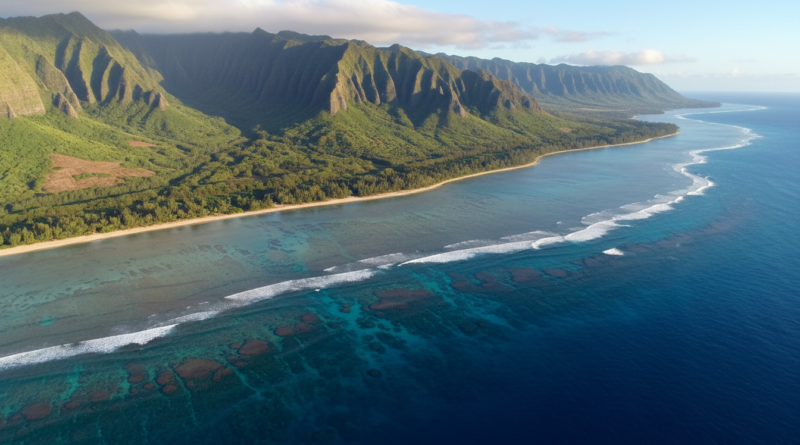
Several high-profile Oahu initiatives made the cut, including $8.5 million for North Shore coastal erosion mitigation and $12 million for expanded invasive species removal across the Ko’olau Range. The Hanauma Bay Nature Preserve will receive $3.2 million for facility upgrades and enhanced visitor management systems.
However, some community-backed proposals didn’t survive the selection process. A $15 million request for Kailua Beach parking and access improvements was dropped, along with plans for expanded public restroom facilities at several popular hiking trailheads across the Windward side.
Tourism Impact Drives Project Selection
The Green Fee, which would charge visitors $50 per person upon arrival in Hawaii, aims to address what lawmakers describe as the environmental costs of the state’s tourism-dependent economy. With nearly 10 million visitors annually, Hawaii’s natural resources face mounting pressure from increased foot traffic, waste generation, and infrastructure strain.
“We’re not anti-tourism, but we need visitors to help pay for the impact they’re having on our environment,” said Rep. Sean Quinlan, who chairs the House Committee on Ocean, Marine Resources, and Hawaiian Affairs. “These projects will help ensure our natural treasures remain intact for future generations.”
The Oahu project list reflects concerns raised by communities dealing with overtourism’s effects. Diamond Head State Monument will receive $4.7 million for trail restoration and visitor capacity management, while $6.3 million is earmarked for watershed protection in the Koolau Mountains, where hiking traffic has accelerated erosion along popular trails like the Stairway to Heaven area.
Emergency preparedness also features prominently. The list includes $18 million for wildfire prevention and response capabilities across rural Oahu, responding to increased fire risk exacerbated by climate change and heavy visitor traffic in previously remote areas.
Community Reactions Mixed
The project selection has drawn varied responses from Oahu communities. North Shore residents largely support the coastal protection funding, given ongoing battles with winter surf erosion threatening homes and businesses along Kamehameha Highway.
But some East Honolulu neighborhood board members expressed disappointment that Kailua’s parking and access issues weren’t addressed. The beach community has struggled for years with overcrowding as social media exposure drew increasing numbers of visitors to its pristine shores.
Tourism industry representatives remain skeptical of the entire Green Fee concept, arguing it could deter visitors and hurt the local economy. The Hawaii Tourism Authority has not yet taken a formal position on the latest project list.
Environmental groups generally praised the selections, particularly funding for invasive species control and native habitat restoration. The Nature Conservancy of Hawaii called the watershed protection investments “critical for preserving Oahu’s water security.”
Next Steps and Timeline
The working group’s recommendations now head to the full Legislature, which must still approve both the Green Fee structure and the specific project allocations. Legislative leaders expect committee hearings to begin in early 2025, with a final vote possible by the session’s end in May.
If approved, the Green Fee could take effect as early as January 2026, though tourism industry challenges are likely. Implementation would require coordination between multiple state agencies and updates to visitor processing systems at Hawaii’s airports.
For Oahu residents, the project outcomes could reshape how popular natural areas are managed and protected. The funding represents one of the largest environmental investment packages in state history, potentially addressing longstanding issues that have frustrated communities dealing with tourism’s growth.
The success of these initial projects may determine whether the Green Fee concept expands to address other tourism-related impacts across Hawaii’s islands. For now, Oahu communities will be watching closely to see if lawmakers can turn these proposals into reality.
