Honolulu City Council Set to Approve $17 Million in COVID Hazard Pay for Bus Workers
More than 2,000 Honolulu bus drivers and mechanics are finally set to receive long-awaited COVID-19 hazard pay, with the City Council expected to approve $17 million in retroactive payments this week.
Each eligible worker would receive $7,500 under the proposal, recognizing their service during the pandemic when they kept TheBus running while much of Honolulu stayed home. The payment covers the period from March 2020 through December 2022, when transit workers faced heightened health risks serving essential workers and residents without transportation alternatives.
The approval comes nearly two years after the federal government made American Rescue Plan Act funds available for exactly this purpose. Several council members have questioned why it took so long to get hazard pay into workers’ hands, especially as other city departments received similar recognition much earlier.
Essential Workers, Delayed Recognition
During the height of the pandemic, bus operators and mechanics continued reporting to work while office employees shifted to remote arrangements. They transported healthcare workers to hospitals, grocery store employees to their jobs, and elderly residents to medical appointments — all while navigating evolving safety protocols and passenger concerns.
“These workers put themselves at risk every single day to keep our transit system running when our community needed it most,” said Council Chair Tommy Waters, who has been pushing for the hazard pay approval. “They deserved this recognition two years ago, but better late than never.”
The delay appears to stem from bureaucratic processes within the city administration and negotiations over eligibility criteria. While police officers, firefighters, and emergency medical services personnel received hazard pay much earlier in the pandemic recovery period, transit workers were left waiting as city officials worked through administrative hurdles.
Impact Across Honolulu’s Transit Network
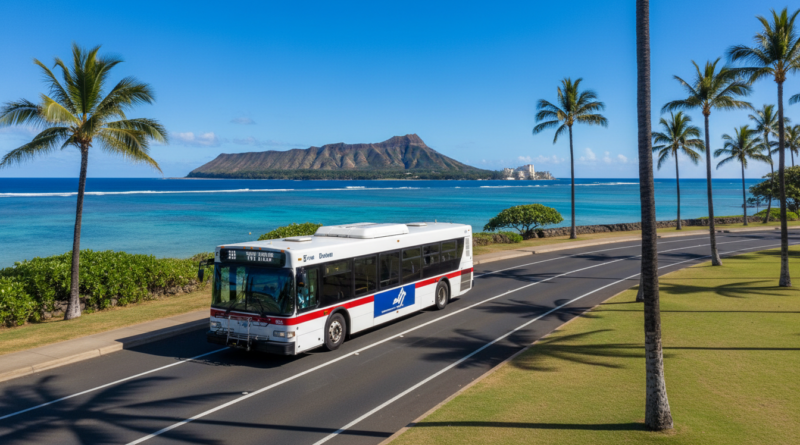
TheBus serves every corner of Oahu, from downtown Honolulu’s business district to rural communities on the North Shore. The system became even more critical during the pandemic as many residents lost access to private vehicles due to economic hardship.
Bus ridership initially plummeted when stay-at-home orders took effect in March 2020, but essential workers continued depending on public transit. Routes serving major employment centers like downtown Honolulu, Ala Moana Center, and the airport maintained service throughout the crisis.
The hazard pay recognizes not just health risks, but also the additional stress workers faced from constantly changing safety protocols, passenger conflicts over mask requirements, and uncertainty about their own job security as ridership fluctuated.
Broader Questions About City Priorities
The lengthy delay in approving transit worker hazard pay has raised questions about how the city values different parts of its workforce. While uniformed services received quick approval for pandemic bonuses, civilian employees — including those in equally essential roles — faced longer waits.
Council members have also pointed to this situation as an example of why the city needs better processes for distributing federal emergency funds. The American Rescue Plan Act provided Honolulu with hundreds of millions of dollars, but getting those funds to frontline workers has proven more complicated than anticipated.
The transit worker payments will come from the city’s ARPA allocation, which also funded other pandemic recovery programs including rental assistance, small business support, and infrastructure improvements across Honolulu neighborhoods.
What’s Next for Transit Workers
If approved as expected, the hazard pay should reach workers’ paychecks within 60 days. The payments will be subject to federal and state taxes, though the timing may allow some workers to spread the tax impact across different years.
Union representatives have indicated this closes the book on pandemic-related compensation issues, allowing focus to shift to ongoing contract negotiations and service improvements. TheBus has been working to rebuild ridership and expand service as Honolulu’s economy continues recovering from pandemic disruptions.
For many transit workers, the $7,500 represents more than financial recognition — it acknowledges their role in keeping Honolulu moving during its most challenging period in recent memory. The approval also sends a signal about how the city values essential workers who may not carry badges or wear uniforms, but whose daily work keeps communities connected and functioning.
The final vote is scheduled for Wednesday’s council meeting, with implementation expected to begin immediately following approval.