A Four-Generation Haleiwa Property Was Lost to the Flood. Here’s What the Family Is Doing Next.
The Nakamura family’s four-generation legacy in Haleiwa came to an abrupt halt when March’s devastating Kona Low storms swept through their North Shore property, leaving behind a landscape of mud, debris, and shattered dreams.
What began as a typical rainy season quickly escalated into the most destructive flooding the area had seen in decades. The family’s 2.5-acre property along Kamehameha Highway, which had been passed down since the 1940s, bore the full brunt of nature’s fury when nearby streams overflowed and sent torrents of water rushing across their land.
“Four generations of our family have called this place home,” said Kenji Nakamura, whose great-grandfather first purchased the property when Haleiwa was still a small plantation town. “In one night, we lost everything our family had built over 80 years.”
The March 25 storm system brought unprecedented rainfall to Oahu’s North Shore, with some areas receiving more than 10 inches in just a few hours. The combination of saturated soil, overflowing waterways, and poor drainage turned peaceful residential areas into raging rivers.
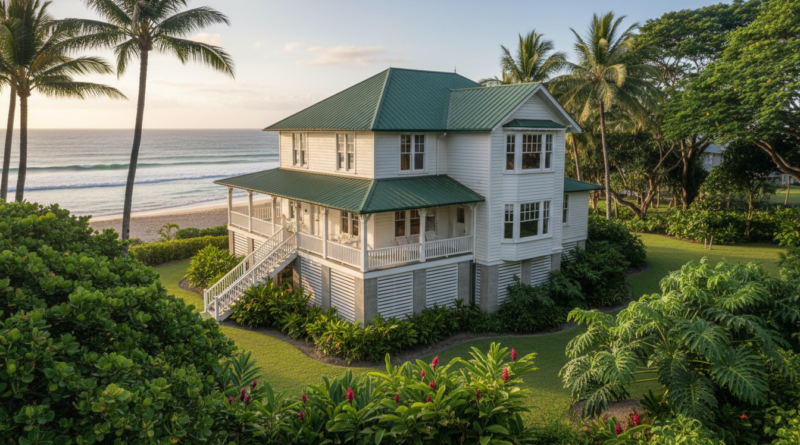
For the Nakamuras, the immediate aftermath was overwhelming. Their main residence, a traditional plantation-style home built in the 1960s, suffered extensive structural damage when floodwaters reached nearly four feet inside the house. A smaller cottage where Kenji’s elderly parents lived was completely destroyed, its foundation undermined by the rushing water.
The property also housed a small organic farm operation that supplied local restaurants and the Saturday farmers market in Haleiwa town. Decades of careful soil cultivation and native plant restoration were wiped out overnight, representing not just financial loss but the destruction of cultural and environmental stewardship that had been carefully maintained across generations.
Recovery Challenges Mount
Three weeks after the flooding, the Nakamura family finds themselves navigating a complex web of insurance claims, FEMA applications, and county permitting processes. Like many longtime Hawaii families, they discovered their insurance coverage was inadequate for the scale of destruction they faced.
“We thought we had good coverage, but flood insurance is separate, and the limits don’t come close to what it actually costs to rebuild here,” explained Kenji’s daughter, Maya Nakamura-Lee, who moved back to the family property two years ago with her young children.
The family’s situation highlights broader challenges facing North Shore residents in the storm’s aftermath. While emergency response was swift, long-term recovery resources have been slower to materialize, particularly for families without deep financial reserves or clear insurance pathways.
Local nonprofit organizations have stepped in to fill some gaps. The North Shore Community Land Trust has provided temporary housing assistance, while volunteers from across Oahu have helped with debris removal and property assessment.
“What we’re seeing is that families who’ve been here the longest often have the least resources to bounce back quickly,” said Jennifer Kim, executive director of the Haleiwa Recovery Coalition, a grassroots organization formed after the flooding. “These are the families who maintained the character and culture of our community, but they’re also the most vulnerable to displacement.”
Looking Forward
Despite the overwhelming challenges, the Nakamuras are determined to rebuild and remain in Haleiwa. They’ve launched a crowdfunding campaign to supplement insurance payouts and are working with local architects to design flood-resilient structures that honor their family’s heritage while acknowledging new climate realities.
The family also plans to incorporate traditional Hawaiian land management practices into their recovery, consulting with cultural practitioners about stream management and native vegetation that could help prevent future flooding damage.
“Our kupuna chose this land for good reasons,” Maya said, referring to her great-great-grandfather’s original decision to settle in Haleiwa. “We have a responsibility to stay and do better, not just for our family but for the whole community.”
The Nakamuras’ experience reflects broader questions about climate resilience and community continuity that North Shore residents will increasingly face. As extreme weather events become more frequent, longtime families like the Nakamuras are pioneering approaches to recovery that balance honoring the past with preparing for an uncertain future.
For now, the family remains in temporary housing while cleanup continues on their property. They hope to begin reconstruction this summer, with plans to host a community workday where neighbors can help plant the first native trees in what will become their new flood-resilient landscape.
Their story serves as both a cautionary tale about the vulnerabilities facing longtime Hawaii residents and an inspiration for community-centered approaches to climate adaptation that keep families rooted in the places they’ve called home for generations.